
Last updated November 25, 2026
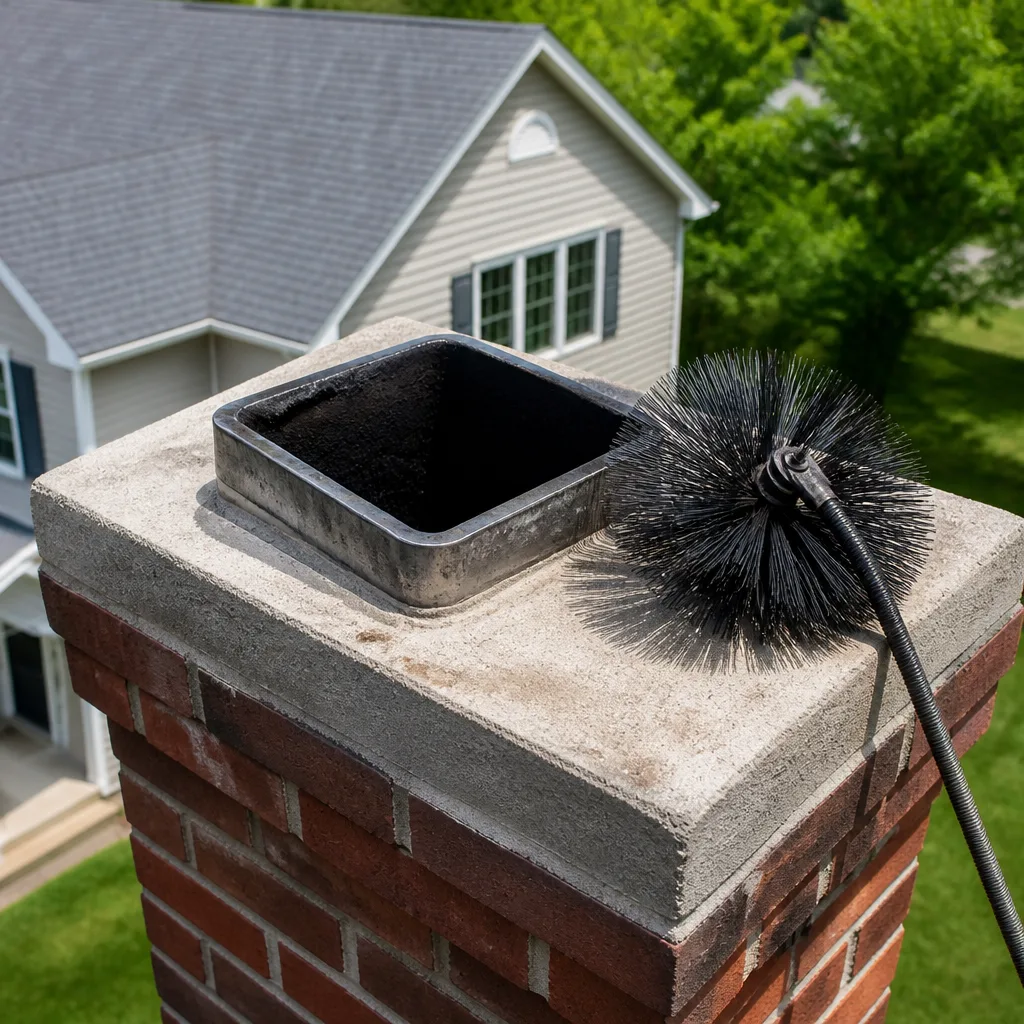 Sweep & inspection
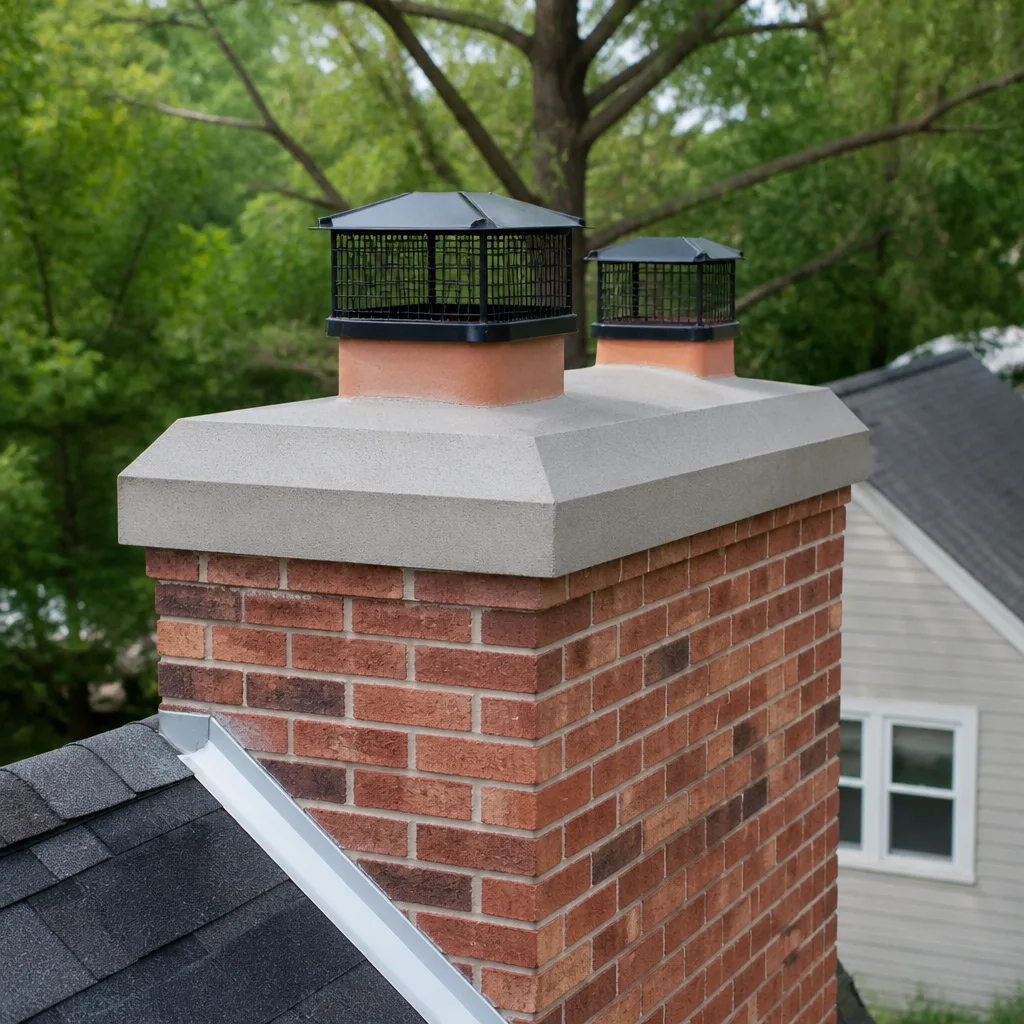 Caps & crowns
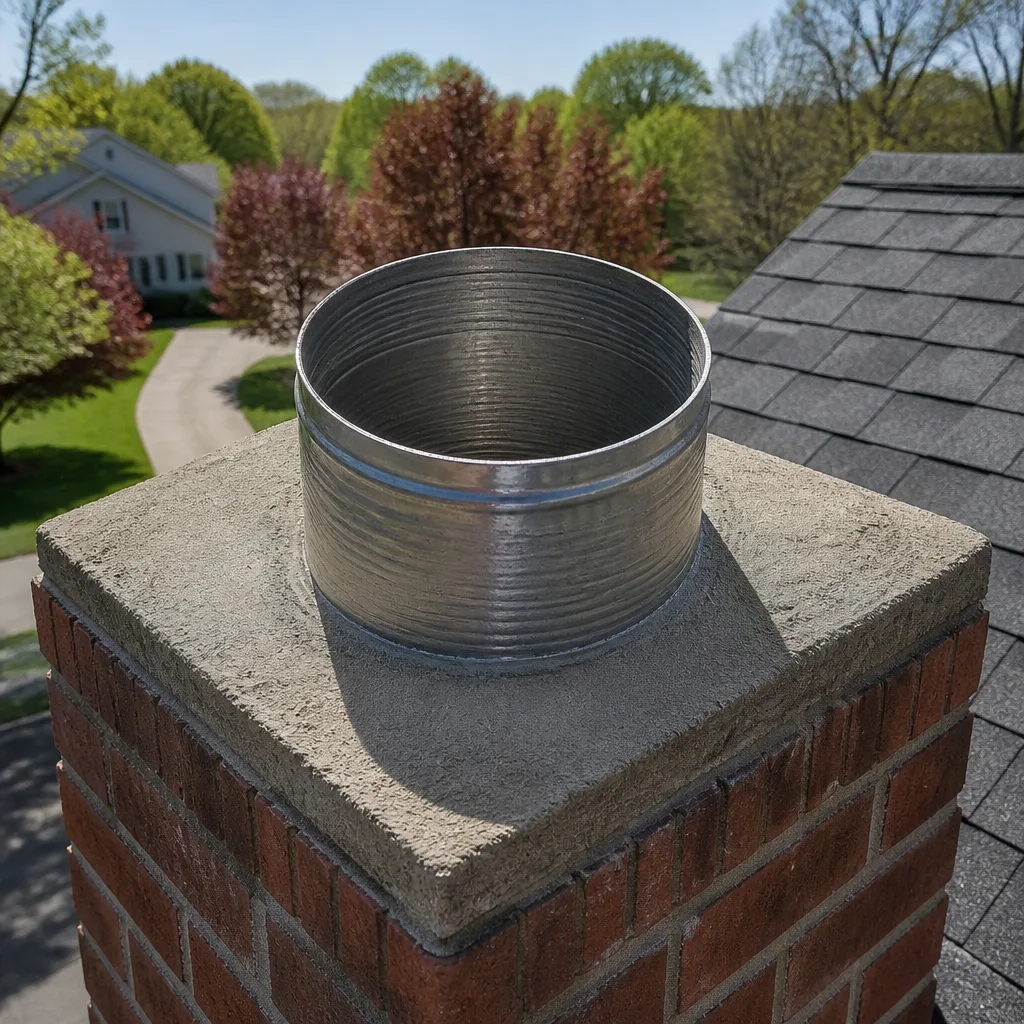 Flue relining
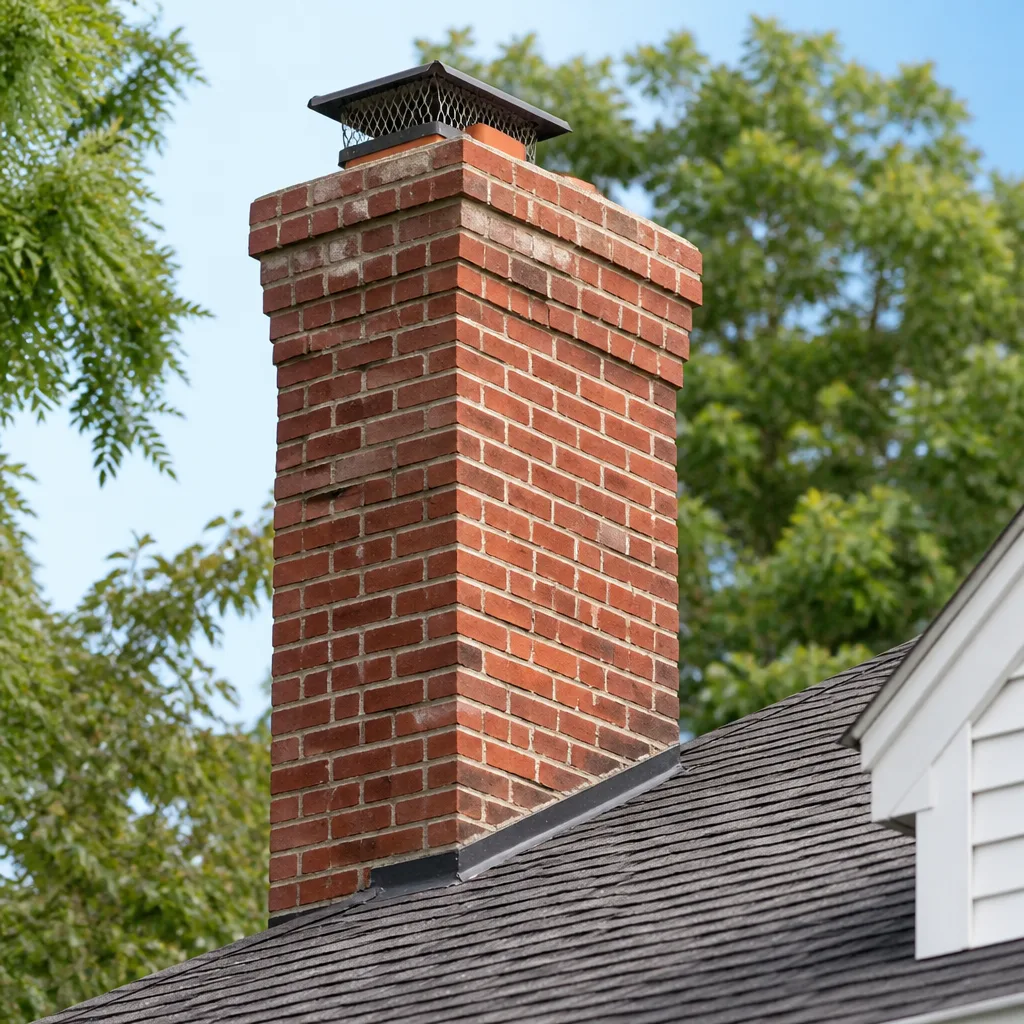 Masonry repair
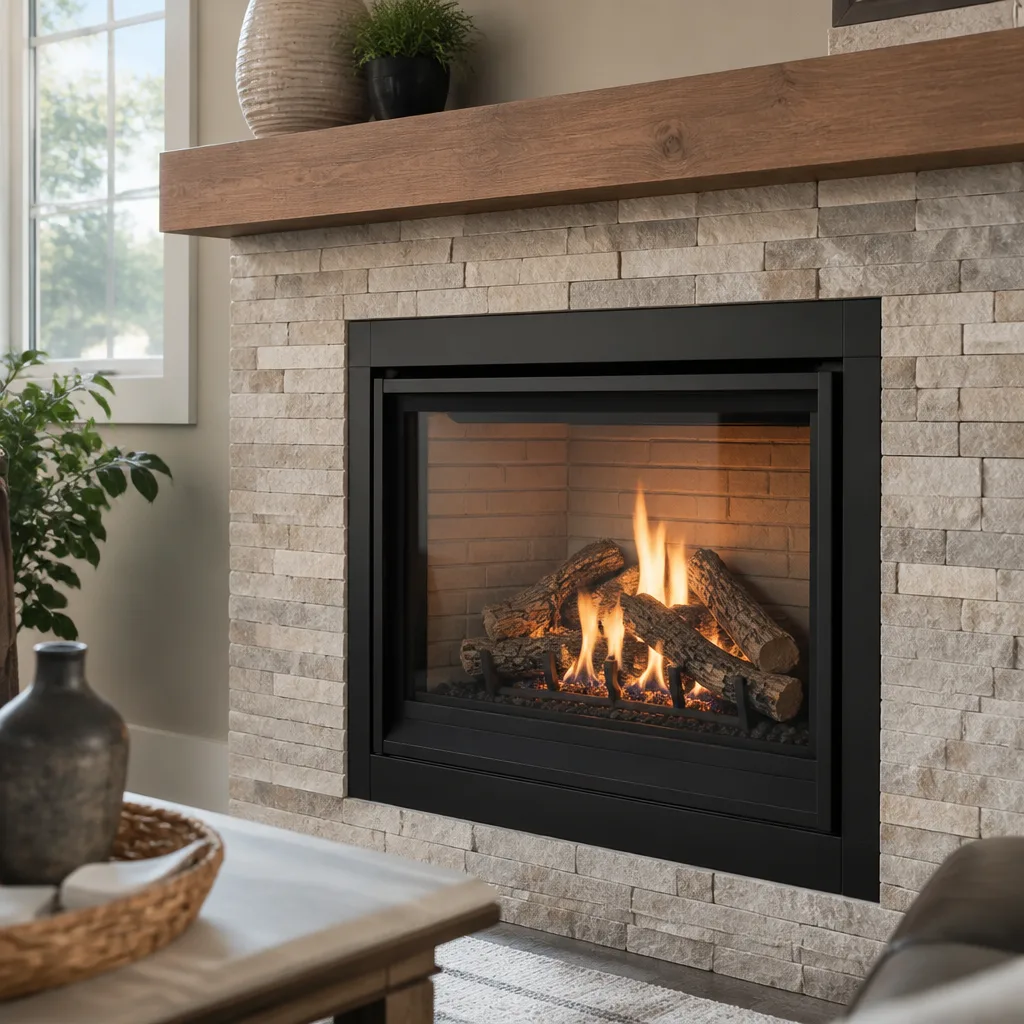 Gas fireplace service
Level 1 sweep and inspection to the NFPA 211 annual standard - flue, crown, cap, and flashing checked and photographed
Chimney sweep logs do not sweep chimneys. They loosen some creosote - which then falls where a brush and vacuum still have to collect it.
Chimney Cleaning Emergency Preparedness Guide for Kingsbridge Homes
A chimney fire doesn’t always announce itself with a roar. Often it’s a low rumble you mistake for good draft, a faint acrid smell, or a sudden dense puff from the cap, all while the fire inside is running hot enough to damage a liner that was never built to contain those temperatures. By the time it’s obvious, you’re reacting instead of preventing. This guide is about the part before the emergency: the warning signs, the shutdown steps, the equipment, and the inspection records every Kingsbridge home with a working fireplace or fuel-burning appliance should already have on hand.
Quick Answer
Chimney emergency preparedness in Kingsbridge means three things: knowing how to recognize an active flue fire versus normal draft noise, knowing the immediate shutdown-and-evacuate protocol (close the damper, get everyone outside, call the fire department), and having a current inspection record plus working carbon monoxide detectors before the heating season starts. Most chimney emergencies trace back to warning signs that were visible months earlier and either weren’t checked or weren’t understood.
Styles & brands we work with
- Sweep & inspection
- Caps & crowns
- Flue relining
- Masonry repair
- Gas fireplace service
Table of Contents
- How Do You Tell a Chimney Fire From Normal Draft Noise?
- What Is the Immediate Shutdown Protocol for a Chimney Fire?
- Why Gas Flues Carry a Hidden Carbon Monoxide Risk
- What Must a Post-Fire Inspection Include?
- The Emergency Preparedness Checklist for Kingsbridge Homes
- Why Documented Inspection Records Matter
- Seasonal Timing: Before Burning Season, Not After
- Common Mistakes to Avoid
How Do You Tell a Chimney Fire From Normal Draft Noise?
A chimney fire sounds different from the fire in your firebox. Normal draft is a steady, soft whoosh that tracks with how the fire is burning. A flue fire produces a low, uneven rumble that seems to come from inside the wall or above the roofline, sometimes paired with a tapping or popping that gets faster as it intensifies. Some homeowners describe a sound like a distant freight train. Others hear almost nothing and only notice the smell.
From inside the house, watch for these cues:
- A smell of hot metal or a sharp, creosote-tinged smoke that doesn’t match normal fireplace smell
- Dense smoke backing into the room despite an open damper
- The stovepipe or chimney breast feeling unusually hot to a cautious touch (never grab a hot pipe; use the back of your hand near, not on, the surface)
- A sudden roaring that changes pitch and seems to draw air hard through the firebox
From outside, look up. A working chimney puffs smoke steadily. A chimney fire can throw flames or sparks from the top, emit thick dark smoke, or produce a visible shimmer of heat. You may also see pieces of creosote flaking off the cap onto the roof.
Here’s the part that trips people up in Kingsbridge: a fire that suddenly burns “especially well” with a strong draft and bright flame can be a warning, not a success. When creosote in the flue ignites, it can pull air up the chimney and make the firebox seem livelier. If the sound and smell don’t match what you’re used to, treat it as an active event until proven otherwise.
What Is the Immediate Shutdown Protocol for a Chimney Fire?
The correct response to a suspected chimney fire is fast and simple, and it does not involve water. Follow these steps in order:
- Close the damper if you can safely reach it. Cutting the air supply starves the fire of oxygen and slows the burn inside the flue.
- Get everyone out of the house. Move people and pets outside and away from the chimney side of the building. Do not stop to gather belongings.
- Call 911 and request the fire department. In Kingsbridge, that’s FDNY. Even a fire that seems to have burned itself out needs professional eyes on the flue before you assume it’s safe.
- Do not throw water on the fire or into the firebox. A hot flue and sudden cold water can crack or shatter the liner, and a steam flash in an enclosed space is dangerous. Let the fire department handle suppression.
- Stay out until cleared. A fire department on scene will confirm the flue is out. Do not relight the fireplace afterward until a trained chimney professional has inspected the system.
One more thing worth understanding: the danger isn’t only the flames. Creosote fires can reach extreme temperatures inside a flue that wasn’t designed for them, and heat alone can warp a liner, open seams, or transfer through a masonry wall to framing. That’s why the inspection after any flue fire event matters as much as the firefighting itself.
We’ve seen enough post-fire systems to know that a chimney that “looks fine” from the ground often isn’t. Only a proper inspection tells you what actually happened inside.
Why Gas Flues Carry a Hidden Carbon Monoxide Risk
Most of the carbon monoxide conversations around chimneys focus on wood fires. But a gas appliance carries a quieter risk. A gas furnace, water heater, or gas fireplace relies on its own flue or vent to carry combustion gases outside. If that flue develops a crack, a gap at a joint, or a blockage, the gases have a path into the living space, and you may see nothing at all.
Carbon monoxide is colorless and odorless. There’s no smell to alert you. This is why CO detectors are not optional in any Kingsbridge home with a fuel-burning appliance. Place them:
- On every level of the home, including the basement where the furnace and water heater usually live
- Outside sleeping areas, so they can wake you
- Near, but not directly above, fuel-burning appliances
Test the detectors monthly and replace the batteries on a set schedule. A CO detector that’s been quietly dead for two years is worse than no detector, because it creates false confidence.
Detectors catch the problem after it’s present. An inspection catches the cracked liner before it starts leaking. When we do a chimney inspection, the flue for a gas appliance gets the same attention as the wood flue, because a hairline crack in a liner is invisible from the room but shows up clearly on camera. That’s the difference between a system you trust and a system you hope is fine. A properly fitted cap and crown, the kind of work we handle as part of our chimney cap & crown services, also keeps water and debris out of vent terminations where gas appliances exhaust.
What Must a Post-Fire Inspection Include?
After any chimney fire, a visual check from the firebox or the roof is not enough. Heat damage happens inside the flue, at the joints, and behind the masonry, and none of that reads from the outside. A proper post-fire inspection includes:
- A camera scan of the entire flue length, top to bottom, to look for cracks, gaps, warped sections, and creosote left behind after the burn.
- Joint-by-joint review of the liner, since seams are where heat damage concentrates and where gases escape.
- Inspection of the firebox and smoke chamber, where refractory material and mortar can spall or crack under high heat.
- Exterior examination of the crown, cap, and flashing, plus a masonry check for cracks that heat could have widened.
- Documented findings, ideally with photos, so you have a record of the system’s condition before and after the event.
If the liner is compromised, the repair path depends on the damage. A deteriorated but structurally intact flue may be restored with a ceramic resurfacing product like HeatShield, which seals cracks and rebuilds a smooth surface without full replacement. A liner that’s cracked through, warped, or missing sections usually needs a new flexible liner, and that’s where a professional-spec system like DuraFlex comes in. Either way, the inspection determines the answer. We don’t recommend liner work without camera evidence you can see for yourself.
After a severe flue fire, the inspection also needs to consider the structure around the chimney, not just the flue itself. A fire hot enough to damage a liner can transfer heat into the surrounding framing. If there’s any question about that, a broader structural review is warranted before the chimney is used again.
The Emergency Preparedness Checklist for Kingsbridge Homes
Preparedness is a short list of physical items, and most of it costs less than a single service call. Every Kingsbridge home with a working fireplace or fuel-burning appliance should have:
- Carbon monoxide detectors on every level, tested monthly, with fresh batteries on a set schedule.
- Working smoke detectors near the fireplace and in sleeping areas.
- A chimney fire suppressant on hand, designed for fireplace use and kept near the hearth, not in a closet where you’d have to hunt for it during an emergency.
- A current inspection record, showing date, findings, and any recommended work, filed where you can find it quickly.
- A chimney professional’s contact information saved in your phone, so you’re not searching for a number while smoke is coming into the room.
- A small fire extinguisher rated for the types of fire you could face at home, checked and within reach of the hearth.
- A drawn-up evacuation plan that everyone in the household has practiced, including where to meet outside.
The evacuation plan is the one people skip. A chimney fire can fill a room with smoke faster than expected, and a household that hasn’t talked through the exit route loses critical seconds. Practice it once a year, ideally before the first fire of the season.
On the suppressant: it’s a tool for slowing a chimney fire while you evacuate, not a substitute for calling the fire department. You still get everyone out and call 911.
Why Documented Inspection Records Matter
Chimney condition changes over time, and without records you have no baseline. A documented inspection gives you a dated snapshot of the flue, the firebox, and the exterior structure. That matters in two situations:
- Before and after a fire event, so you can see what changed and prove it wasn’t there before.
- Across seasons, so a small crack that showed up last year doesn’t get shrugged off this year as “probably nothing.”
Records also help you make repair decisions with real information instead of a guess. When a technician recommends relining, you can compare the current camera findings to the previous inspection and see the change yourself. That’s the accountability a good chimney specialist should offer. We work with professional-trade product lines because the material matters, but the record matters just as much, and it should always be yours to keep.
For Kingsbridge homeowners planning to sell, a documented chimney history is also useful during a home inspection. A buyer’s inspector will flag a chimney with no service history, and questions about flue condition can slow a sale. Records head that off.
Seasonal Timing: Before Burning Season, Not After
The best time to prepare for a chimney emergency is before the first fire of the season. Once the weather turns and the fireplace is in regular use, your options narrow. Schedule an inspection and cleaning in the shoulder months, when you can act on the findings without rushing.
Before burning season, we run a full-system check: the flue gets a camera scan, the firebox and smoke chamber are inspected, the cap and crown are checked for cracks or missing hardware, and any gas appliance venting gets reviewed for gaps or blockages. Then the cleaning removes the creosote load that acts as fuel for a future fire. Our chimney sweep service is built around this inspection-first approach rather than a quick brush-and-go.
Kingsbridge’s cold winters mean fireplaces and heating appliances work hard for a long stretch. The busiest call weeks are the ones just after the first cold snap, when a system that sat idle all summer starts showing its problems. Getting ahead of that window is the simplest readiness step available.
If you’re not sure how much creosote has built up, don’t guess based on how the fire looks. Creosote accumulation happens inside the flue, and its severity doesn’t show from the firebox. An inspection is the only way to know where you stand and whether any chimney repair needs to happen before the first fire.
Common Mistakes to Avoid
- Assuming a quiet chimney is a safe one. A chimney fire can burn with minimal sound, and a damaged liner behind masonry walls shows no outward signs at all. The absence of a roar doesn’t mean the absence of a fire.
- Using water on a hot flue. Sudden cooling can crack or shatter a liner and cause a dangerous steam flash. Close the damper, get out, and call the fire department.
- Skipping CO detectors in the basement. The furnace and water heater usually live there, and that’s exactly where a cracked gas flue would release gases. Detectors on every level, including the basement, are the baseline.
- Relighting after a fire without a proper inspection. A fireplace that looks fine from the room can have a warped liner or heat-damaged joint you can’t see. Camera inspection comes first, always.
- Treating the annual sweep as optional. Creosote is the fuel for a chimney fire, and it builds whether or not you notice. Skipping seasons lets it accumulate to a level that’s harder and costlier to clear.
- Waiting until the middle of winter to schedule. The busiest weeks follow the first hard cold snap. Booking the inspection before burning season means you have time to act on whatever it finds.
- Relying on a visual check after a chimney fire. Post-fire damage to joints, warped liners, and heat-affected masonry can’t be seen from the firebox or the roof. Only a full camera scan tells you what’s actually there.
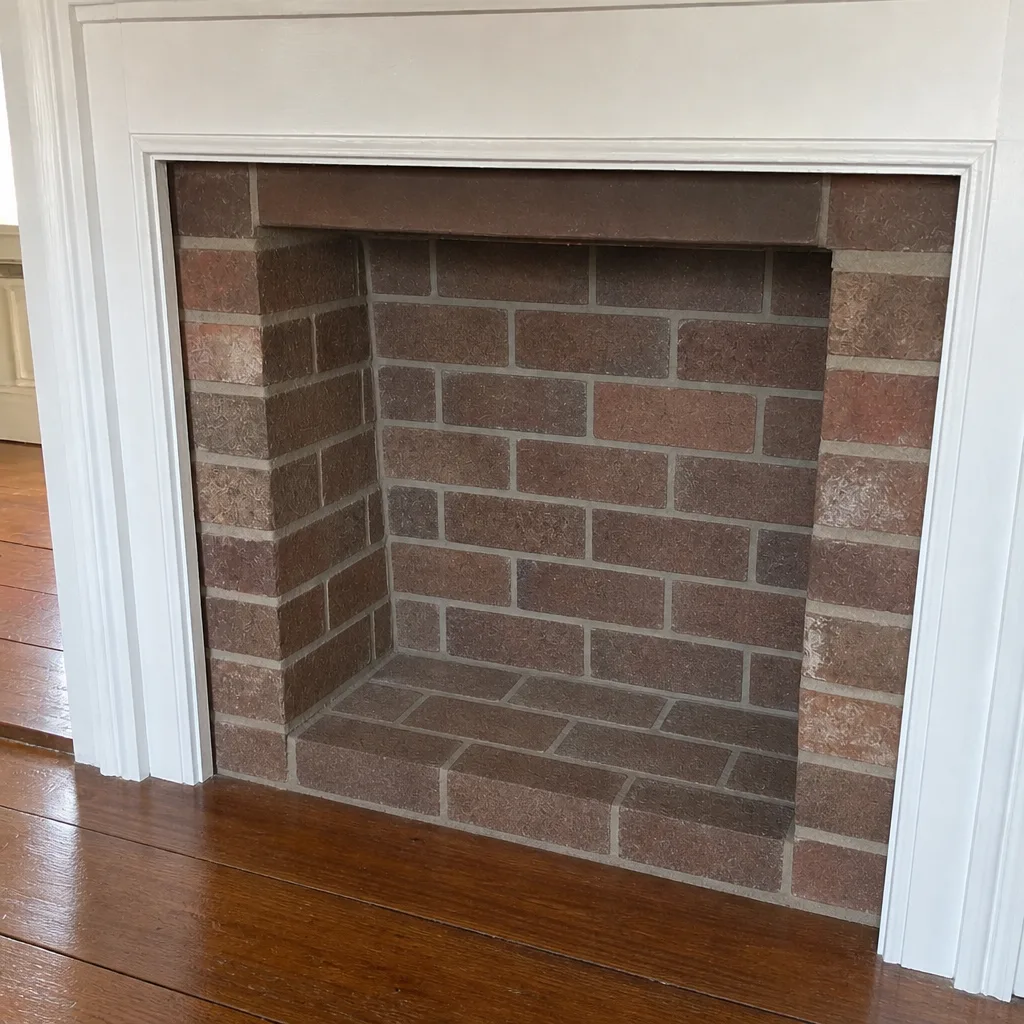
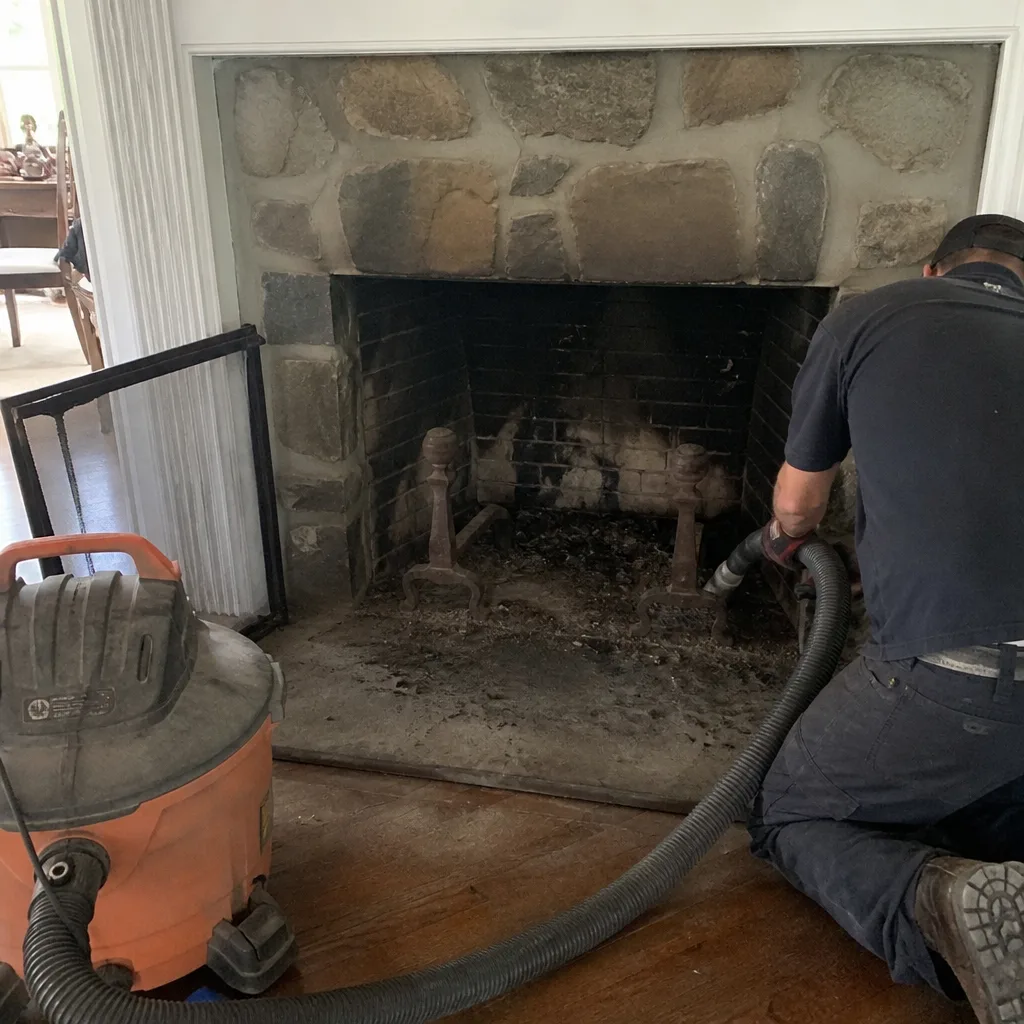
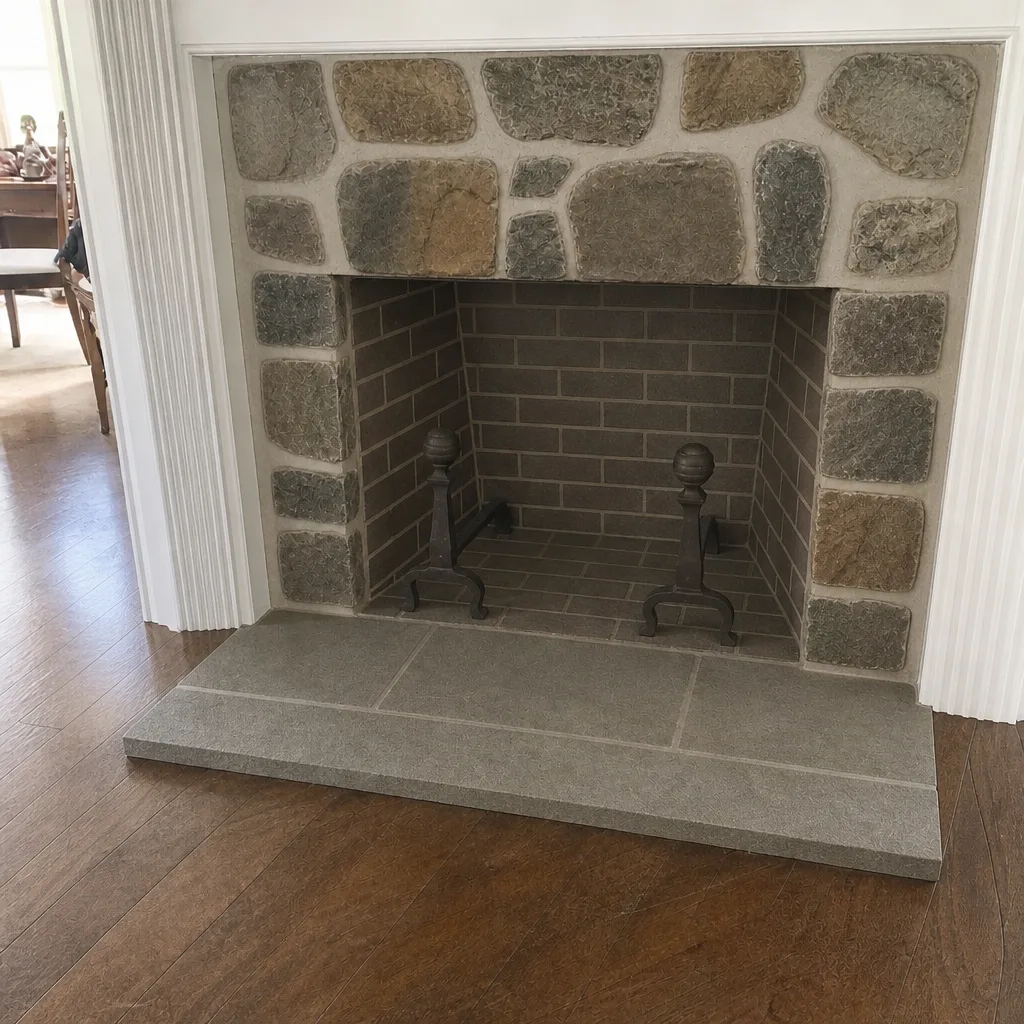
See the difference
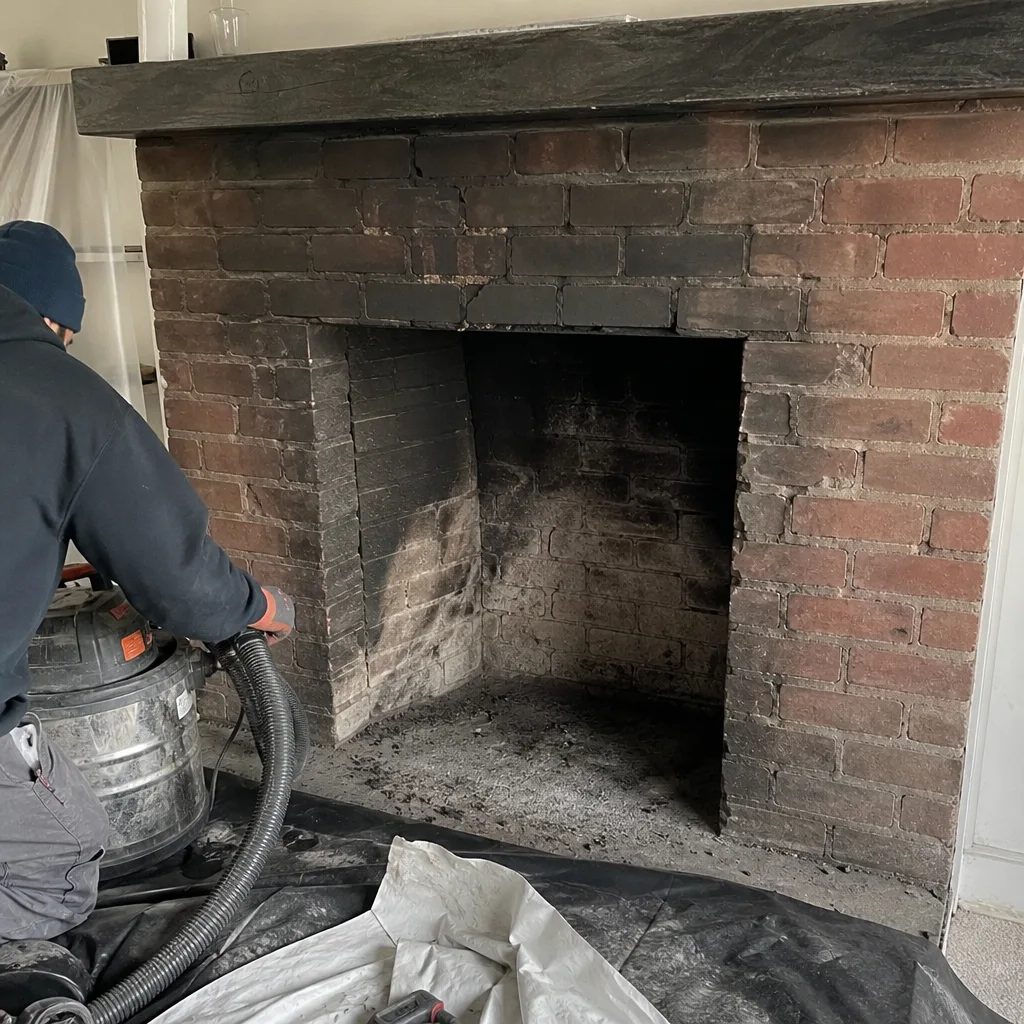 Before
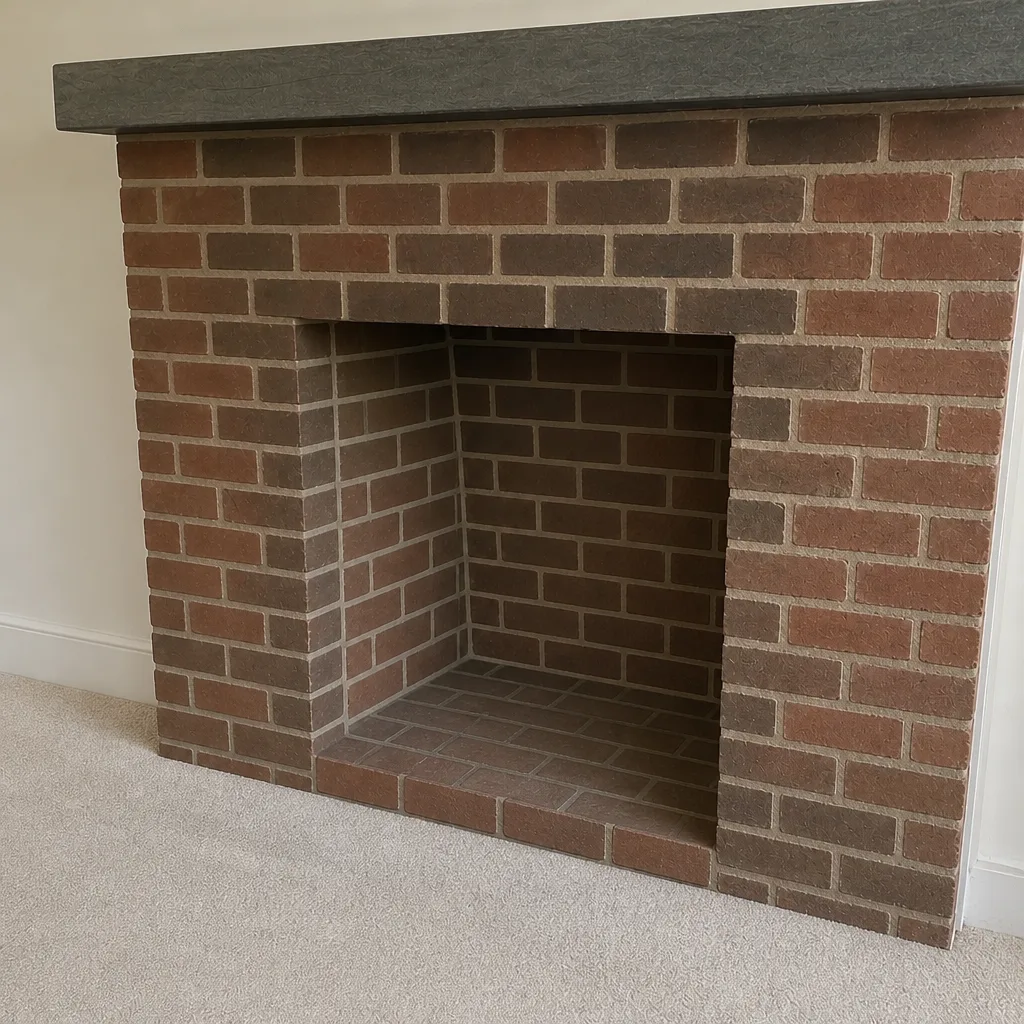 After
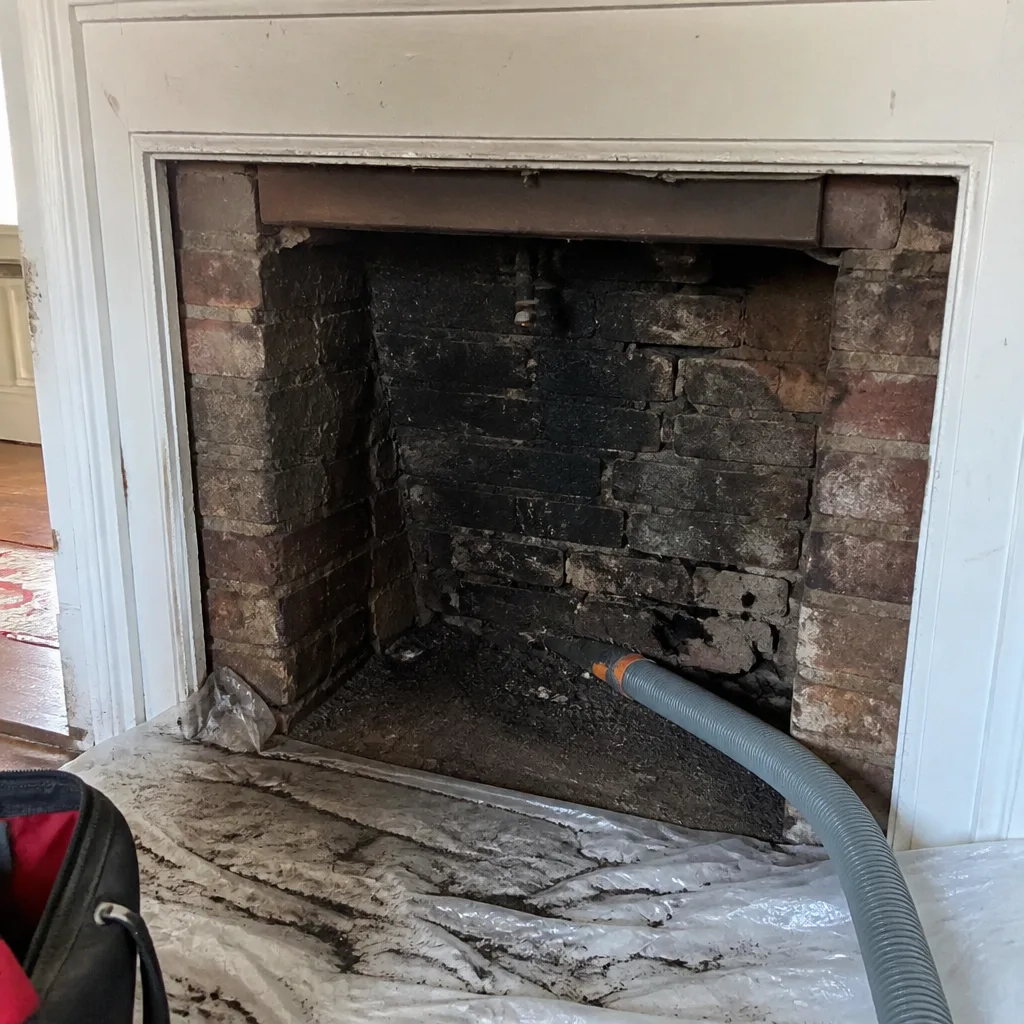 Before
 After
 Before
 After
When to Call a Professional
Call a professional after any chimney fire event, even one you think burned itself out. Call if you smell smoke indoors when the fireplace isn’t in use, if a CO detector has ever alarmed, if you’ve noticed creosote flaking onto the roof, or if you can’t remember the last time the system was inspected. Call before the first fire of the season if the chimney has sat unused through the summer, and call right away if you notice a crack in the firebox, a loose cap, or cracks in the crown. Our team at Chimney Sweep Kingsbridge handles inspection, cleaning, cap and crown work, liner restoration, and fireplace repair as one system, so you’re not handing the job between contractors. Chimney Sweep Kingsbridge offers free estimates in Kingsbridge. Call (866) 937-8901. We answer 24/7. Fast dispatch from 7am to 7pm, Sunday through Friday.
Frequently Asked Questions
Signs of an active or recent chimney fire include a low rumbling sound from the flue, a smell of hot metal, dense smoke, sparks or flames at the chimney top, and pieces of creosote on the roof. A fire that seemed to burn especially strong and loud is also a warning sign. Any of these means a professional inspection before the chimney is used again. Call (866) 937-8901 for an exact quote, and estimates are free.
Yes, a chimney fire can burn out on its own, but that doesn’t mean the chimney is safe afterward. Heat damage to the liner, joints, or masonry can linger invisibly and only shows up on a camera inspection. Treat any suspected fire as an event that requires inspection, not one you can simply ride out.
Sudden cooling from water can crack or shatter a hot liner, and the resulting steam flash in an enclosed flue is dangerous. The correct response is to close the damper if you can reach it safely, get everyone outside, and call 911 so FDNY can handle suppression. Do not fight a flue fire yourself.
You often can’t tell by sight or smell, because carbon monoxide is colorless and odorless. That’s why working CO detectors on every level, including the basement, are essential, and why flue inspections matter for gas appliances as much as wood ones. An inspection can catch a cracked liner or vent gap before it becomes a leak.
A chimney fire suppressant, a working fire extinguisher rated for home use, carbon monoxide detectors on every level with fresh batteries, a current inspection record, your chimney professional’s contact information, and a practiced evacuation plan. Most of this is inexpensive, and all of it is useful only if it’s in place before an emergency.
An annual inspection before burning season is the general standard for any chimney in regular use, and every gas appliance flue needs its own periodic check. A post-fire inspection is always required after any chimney fire event. If you can’t recall your last inspection, that alone is a reason to book one. Call (866) 937-8901. We answer 24/7. Fast dispatch from 7am to 7pm, Sunday through Friday.
The Bottom Line
Chimney emergencies almost always leave clues first: creosote building up, a crack in the liner, a loose cap, a CO detector that’s been dead for months. The work of preparedness is noticing those clues early. Know the sounds and smells of an active flue fire so you don’t mistake it for good draft. Know the shutdown protocol and don’t reach for water. Keep CO detectors alive on every level. Save a chimney professional’s number before you need it. And get a documented inspection before burning season, not after a problem forces one. That’s how a Kingsbridge home with a working fireplace stays a safe one. Our technicians have up to 8 years of experience, and we treat your flue system as the safety component it is. Call (866) 937-8901. We answer 24/7. Fast dispatch from 7am to 7pm, Sunday through Friday.
Written by the team at Chimney Sweep Kingsbridge.