
Last updated November 25, 2026
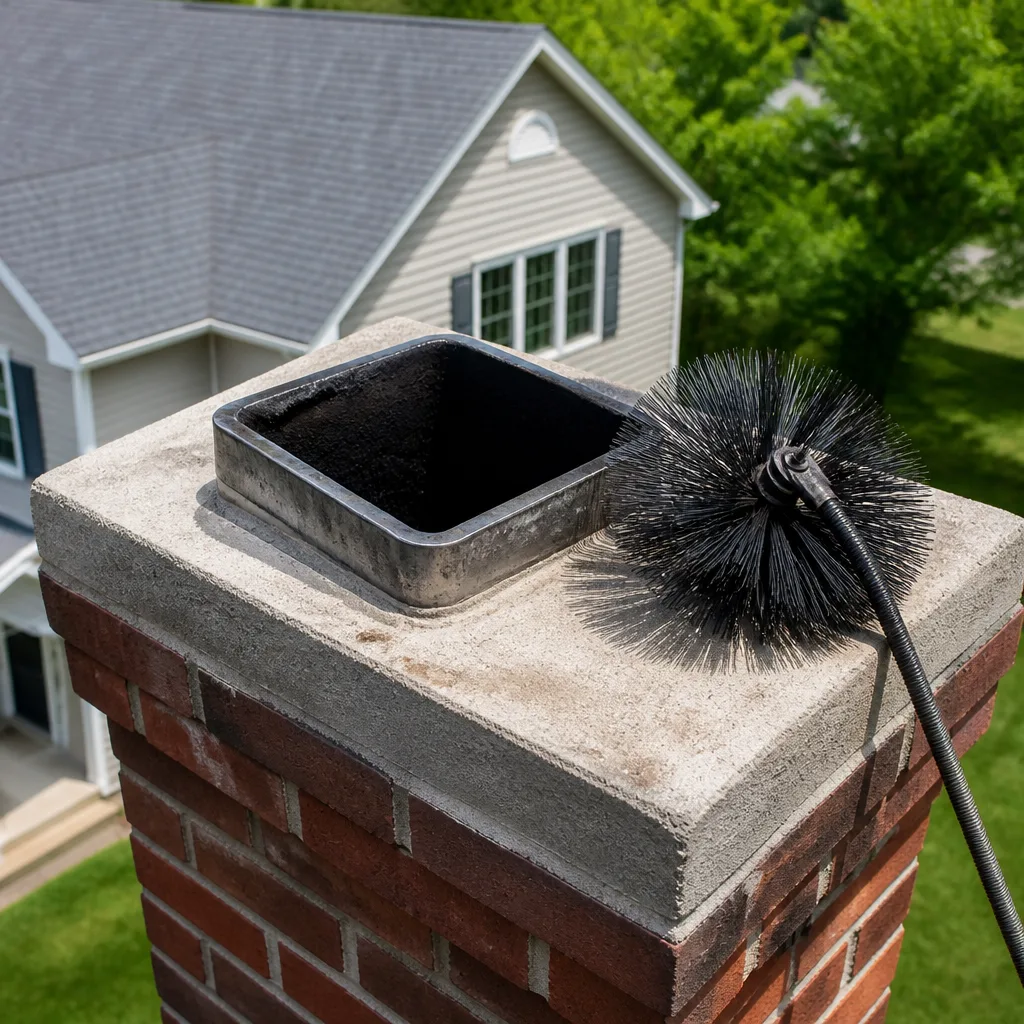 Sweep & inspection
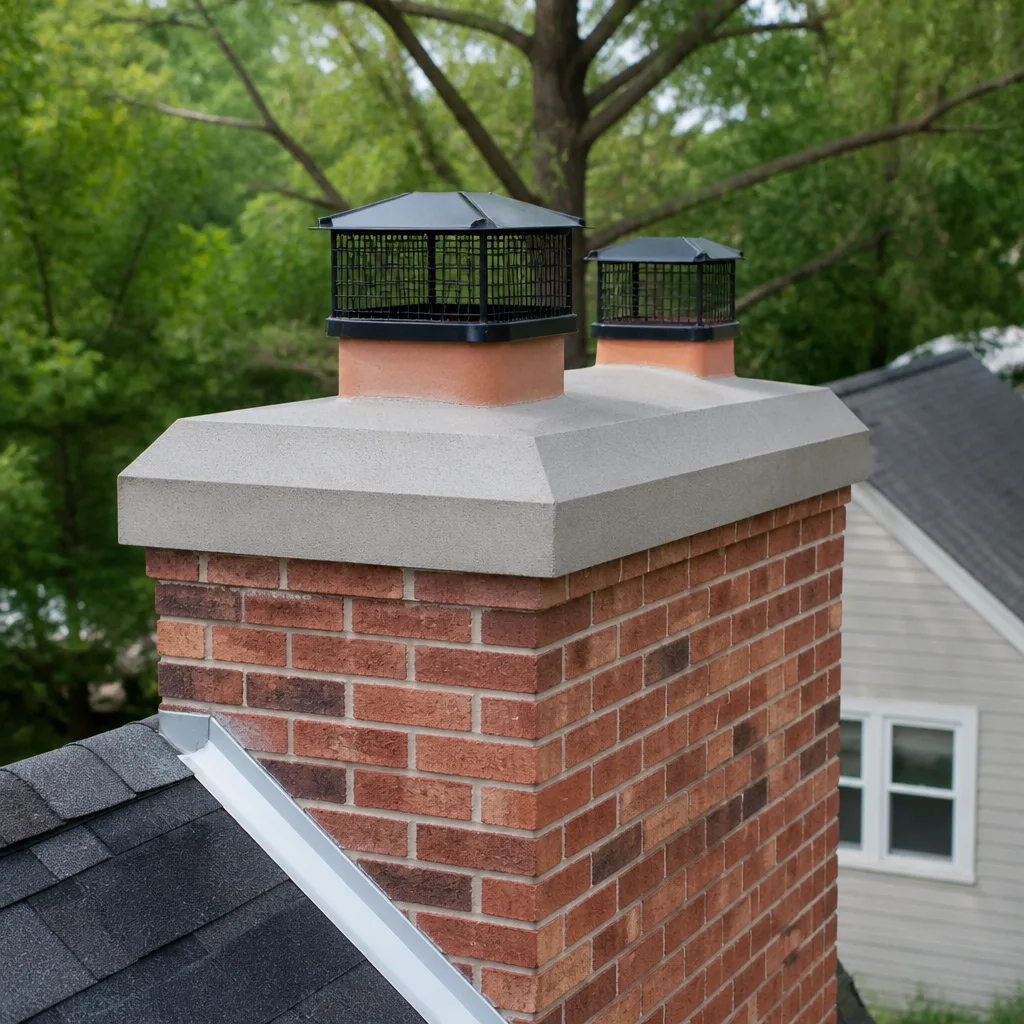 Caps & crowns
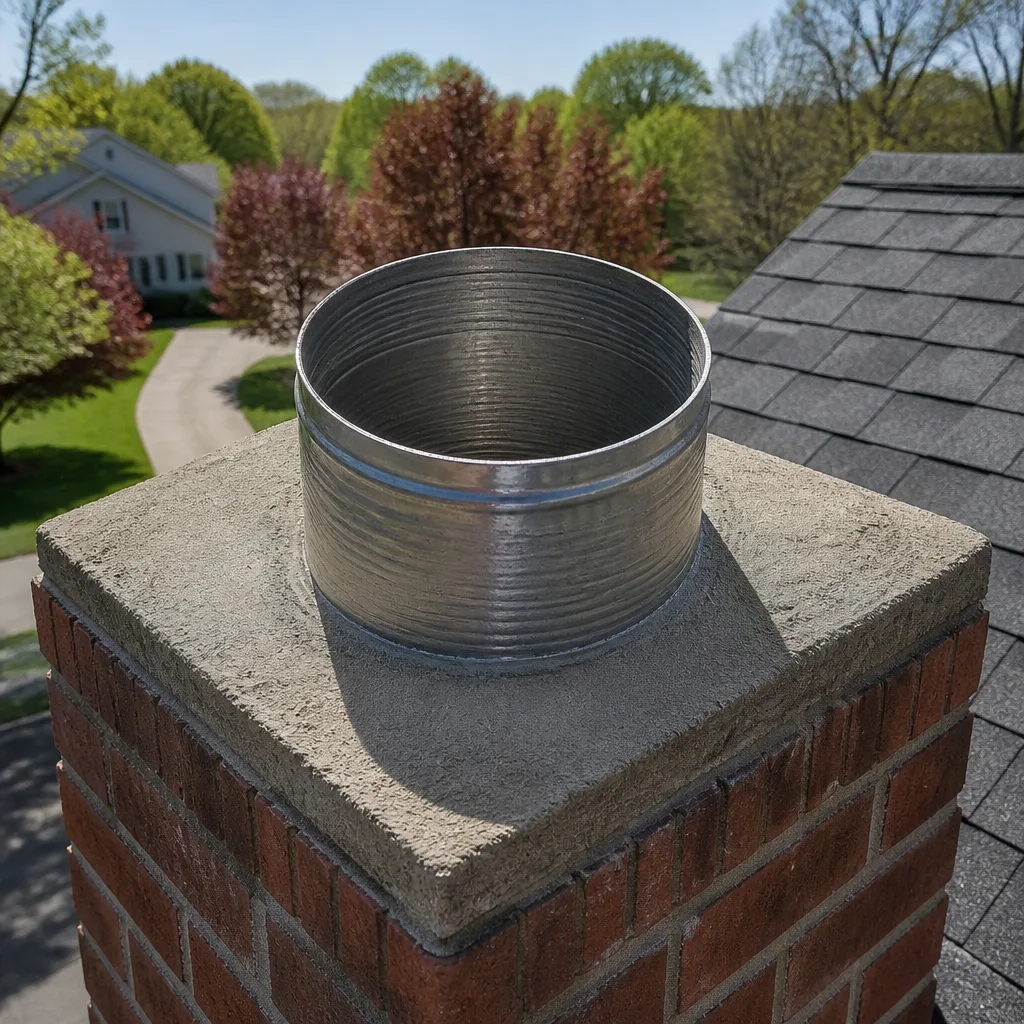 Flue relining
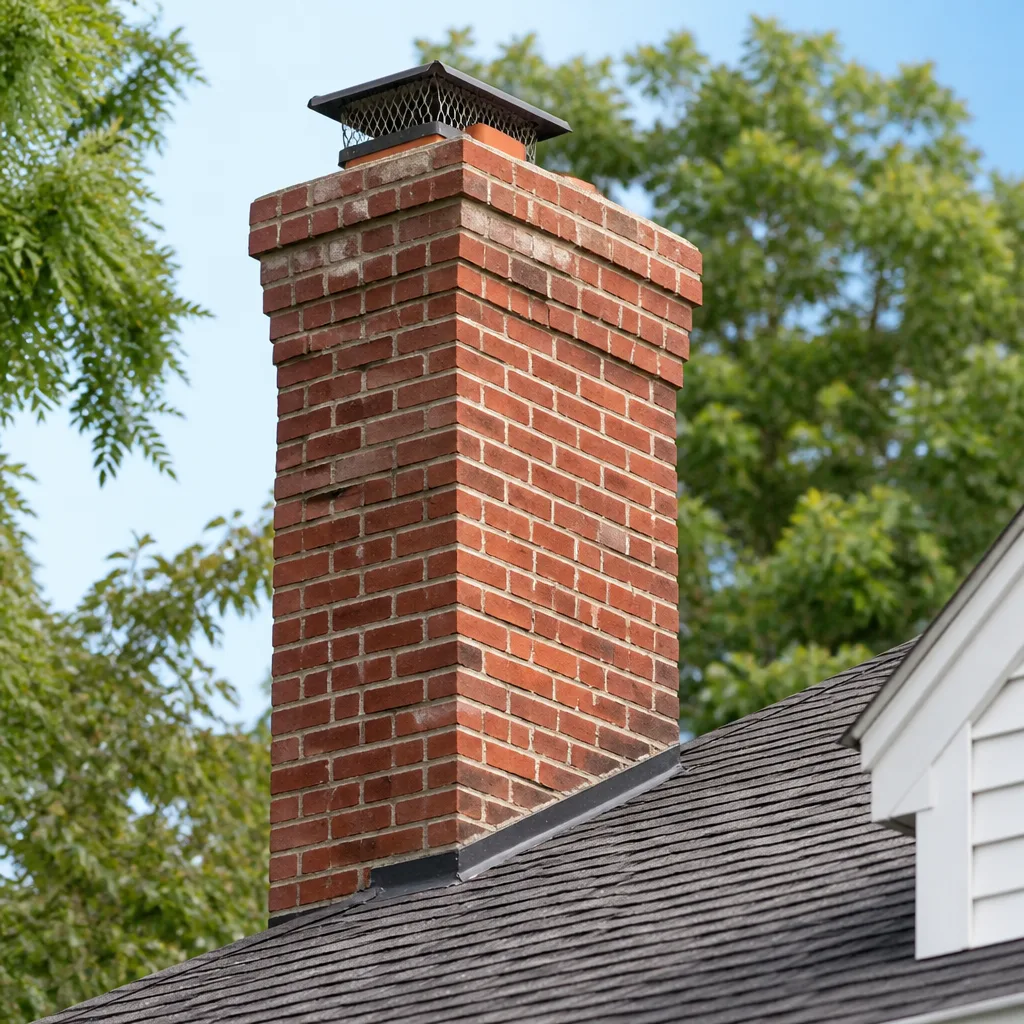 Masonry repair
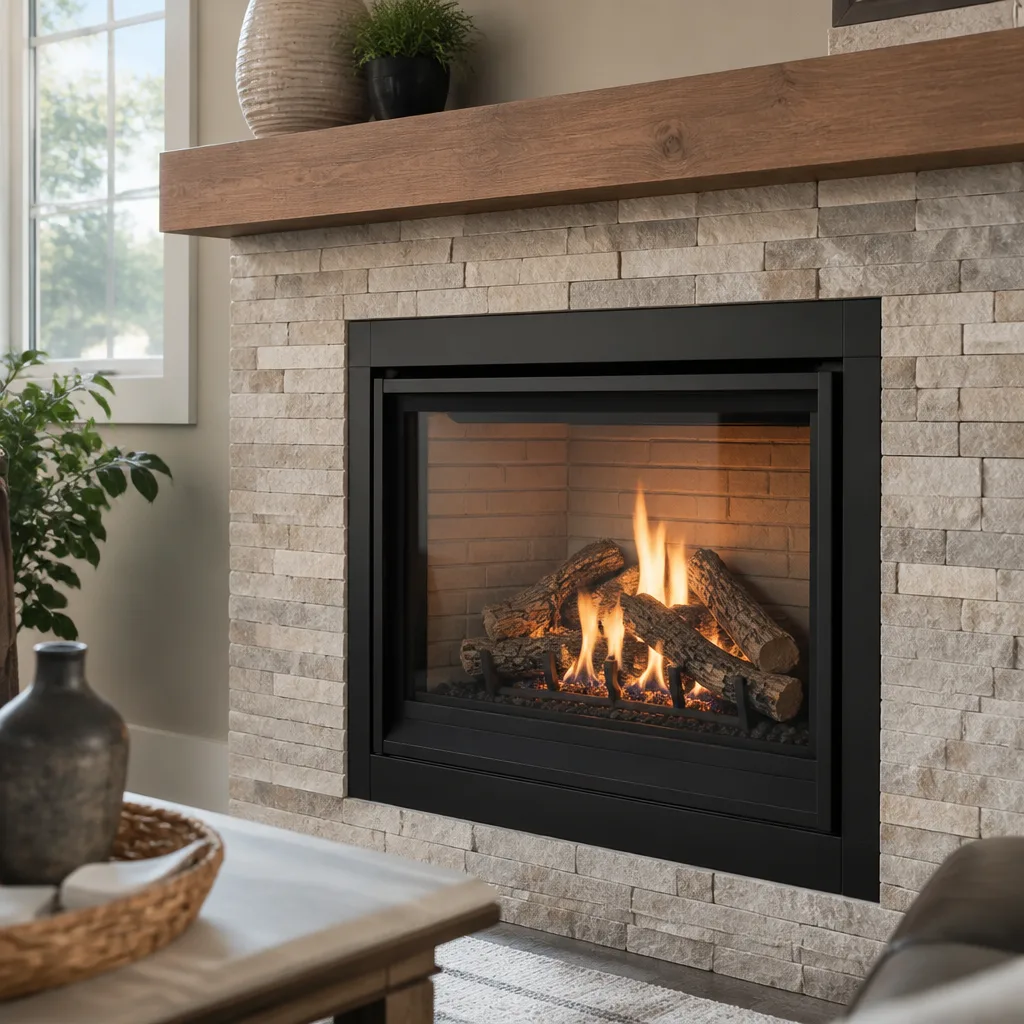 Gas fireplace service
Level 1 sweep and inspection to the NFPA 211 annual standard - flue, crown, cap, and flashing checked and photographed
Chimney sweep logs do not sweep chimneys. They loosen some creosote - which then falls where a brush and vacuum still have to collect it.
Chimney Sweep Maintenance Checklist for Kingsbridge Homeowners
The most skipped item on any chimney checklist isn’t the flue. It’s the smoke shelf – the horizontal ledge just behind the damper that catches creosote flakes, nesting material, and water year-round without ever showing itself from inside the firebox. Most homeowners never look there. Most quick sweeps never clean there. And in Kingsbridge, where the fireplace often runs hard from the first cold snap through the last thaw, that hidden shelf is where small problems quietly turn into expensive ones. This guide organizes chimney maintenance by component rather than by month, so nothing falls through the cracks because it didn’t fit a seasonal template. You’ll learn what to check, what to leave alone, and what to photograph.
Quick Answer
A chimney maintenance checklist for a Kingsbridge homeowner should cover seven components: crown, cap, flue liner, damper, firebox, smoke shelf, and exterior masonry. Inspect each one at least once a year, book a professional sweep and camera inspection annually if you burn wood regularly, and document every finding with photos before and after any work. The checklist you’ll find below tells you which items you can self-inspect with a flashlight and which require a trained eye and camera equipment.
Styles & brands we work with
- Sweep & inspection
- Caps & crowns
- Flue relining
- Masonry repair
- Gas fireplace service
Table of Contents
- Why a Component-Based Checklist Beats a Seasonal One
- The Crown and Cap: First Line of Defense
- The Flue Liner: The Part You Can’t See
- Damper, Firebox, and Smoke Shelf
- Exterior Masonry: Reading the Brick
- What You Can Self-Inspect vs. What Requires a Pro
- What to Document and Photograph
- The Three Items Budget Sweeps Skip
- Common Mistakes to Avoid
- When to Call a Professional
- Frequently Asked Questions
Why a Component-Based Checklist Beats a Seasonal One
Most chimney maintenance guides are organized around the calendar. Clean in fall, inspect in spring, cap before winter. That structure is tidy, but it fails in one specific way: it assumes every problem shows up on schedule. Chimney failures don’t work that way. A cracked crown can open up in July after a week of heat and rain. A bird can nest on the smoke shelf in April. A liner joint can separate after a single overfire in February. None of those events announce themselves by season.
A component-based checklist is built around the parts of the chimney system and what each one does. Every item on the list gets checked every time, regardless of what month it is. In Kingsbridge, where the housing stock includes a lot of older brick construction and where the burning season runs long, that approach catches more real problems than any seasonal template will.
Here’s how we think about the system, and how you should too. A chimney is not a pipe. It’s a stack of separate assemblies doing different jobs: the crown sheds water, the cap blocks weather and animals, the liner contains combustion gases, the damper controls airflow, the firebox holds the fire, the smoke shelf redirects downdrafts, and the exterior masonry holds the whole thing up. If any one of those fails, the others take on stress they weren’t designed for. Checking them one at a time is the only reliable way to catch a failure before it spreads.
That’s the framework this guide uses. Every component gets its own section. Each section tells you what the component does, what failure looks like, whether you can check it yourself, and what to do about it.
The Crown and Cap: First Line of Defense
The crown is the concrete or masonry slab at the very top of the chimney that slopes away from the flue. Its only job is to shed water. The cap is the metal or masonry cover that sits over the flue opening itself, keeping rain, snow, animals, and debris out of the flue. Together they’re the first line of defense for everything below them. When either one fails, water gets in – and water is the single most destructive force acting on a Kingsbridge chimney between burning seasons.
What to check on the crown:
- Look for cracks wider than a hairline, especially where the crown meets the flue
- Check that the slope still directs water away from the flue, not toward it
- Look for spalling concrete at the edges or any chunk that has broken loose
- Make sure the crown overhangs the chimney walls slightly so runoff drips clear
What to check on the cap:
- Confirm it’s securely fastened, not shifted or cocked from wind
- Look for rust-through or holes in metal caps, or loose mortar on masonry caps
- Make sure the mesh on animal guards is intact and not torn
- Check that the cap doesn’t sit so low it restricts the flue opening
We fit caps from Gelco and Olympia Chimney specifically because a poorly sized or cheaply made cap is one of the top causes of water intrusion we see on Kingsbridge chimneys. The cap has to match the flue size and the crown profile. Generic hardware-store caps often don’t, and a cap that doesn’t fit properly can create more problems than it solves. If your crown and cap need attention, see our chimney cap & crown page for what a proper install looks like.
The Flue Liner: The Part You Can’t See
The flue liner is the innermost surface of the chimney. Its job is to contain combustion gases and keep them from seeping into the masonry structure or, worse, into the living space. If you burn wood, the liner also has to stand up to creosote, which is acidic, flammable, and relentless. Liner condition is the single most important safety variable in the whole system, and it’s also the one a homeowner can’t check with a flashlight from the firebox. You need a camera.
What a professional liner inspection looks like:
- A camera is run down the flue from the top to see the full length of the liner
- The technician looks for cracks, gaps at joints, spalling, and missing mortar
- Any offset or transition between liner sections gets checked closely
- Photos and video are captured so you can see exactly what the technician sees
- Findings are documented before any recommendation is made
If the liner is deteriorated but still structurally sound, resurfacing is often a viable option. We use HeatShield, a ceramic resurfacing system that’s the industry benchmark for restoring a deteriorated flue liner without tearing out the whole thing. If the liner is beyond resurfacing, a new liner may be the answer – DuraFlex flexible liner systems are what we install for relining work. Either way, the decision is made from camera evidence, not from someone shining a light up from the firebox and guessing.
This matters especially in Kingsbridge, where older brick chimneys were often built to original code that has long since changed. A liner that was standard when the house was built may not meet current expectations for the appliance you’re running today. If you’ve switched from a wood fireplace to a gas insert, or added a wood stove, the liner may need to match the new appliance. That’s a conversation to have with camera footage in hand.
Damper, Firebox, and Smoke Shelf
The damper is the metal plate that opens and closes the flue. The firebox is the interior chamber where the fire burns. The smoke shelf is the horizontal ledge behind the damper that redirects downdrafts back up the flue. All three work together, and all three are visible from the firebox – which makes them, in theory, the easiest part of the checklist. In practice, the smoke shelf is the most neglected component on the entire list.
What to check on the damper:
- Open and close it fully. It should move without binding and seat flush when closed
- Look for rust on the plate or a warped edge that won’t seal
- Check the pivot and frame for cracks in the surrounding mortar
What to check on the firebox:
- Look for cracks in the firebrick or missing mortar joints
- Check that the firebrick isn’t spalling or crumbling at the corners
- Make sure the fireback (the rear wall) is intact, not cracked or separated
What to check on the smoke shelf:
- Shine a strong flashlight down and behind the damper
- Look for accumulated creosote flakes, leaves, soot, or nesting material
- Check for standing moisture or water staining, which suggests the crown or cap is failing above
That smoke shelf check takes ninety seconds and catches problems that otherwise go unseen for years. Debris on the shelf narrows the flue and creates draft problems. Nesting material is a fire hazard. Water staining is a signal that something above is leaking. None of it shows up by looking up from the hearth.
Exterior Masonry: Reading the Brick
The exterior of the chimney tells you things the interior can’t. Water damage, freeze-thaw damage, and structural movement all show up on the brick and mortar before they show up anywhere else. In Kingsbridge, where older brick construction is common and where freeze-thaw cycles run deep into the shoulder seasons, exterior masonry is worth a close look at least once a year.
Three conditions to know by name:
Efflorescence
That white, chalky staining on brick is called efflorescence. It’s salt that’s been pushed to the surface by water moving through the masonry. A light patch that brushes off easily is usually not urgent. Recurring efflorescence in the same area means water is getting into the brick from somewhere, and the source needs to be found. Efflorescence is a symptom, not the disease.
Spalling
Spalling is when the face of a brick peels or flakes off. It happens when water gets inside the brick and freezes, expanding and breaking the surface. Once spalling starts on a chimney, it tends to accelerate, because the broken face lets more water in. Spalling brick on a Kingsbridge chimney usually points back to a failed crown or cap letting water into the wall.
Mortar joint recession
The mortar between bricks is softer than the brick itself, and it weathers away over time. When the mortar joints are recessed more than about a quarter inch below the brick face, the masonry is losing its structural integrity. Repointing is the fix, and the sooner it happens, the less likely it is to become a rebuild. Our chimney repair page covers what repointing, crown repair, and rebuild work involve.
What You Can Self-Inspect vs. What Requires a Pro
Not every item on this checklist needs a professional. Some are straightforward flashlight work that any homeowner can do, and knowing which is which saves you money without compromising safety. Here’s the split.
Self-inspectable with a flashlight:
- The firebox interior – firebrick, mortar joints, fireback
- The damper – open, close, look for rust or warping
- The smoke shelf – shine a light down behind the damper
- The visible portion of the flue from the firebox looking up
- The exterior masonry from ground level – look for efflorescence, spalling, and mortar recession
- The crown and cap, if safely visible from a window or a stable ladder position
Requires professional access or equipment:
- The full flue liner – needs a camera run down the length of the flue
- The top of the crown and cap, including the flue opening – needs roof access
- The smoke chamber above the damper – needs a light and camera from the top
- Creosote thickness measurement – a professional gauges this accurately
- Any structural assessment of masonry beyond visible surface conditions
The reason this split matters so much is that liner condition – the most safety-critical item on the entire list – is also the one you can’t assess yourself. If you’re going to spend one call on your chimney this year, that call should include a camera inspection of the liner. The rest of the checklist you can do yourself between professional visits.
What to Document and Photograph
Photographs before and after every sweep and repair are worth the effort, and not just for your own records. If you ever have a chimney-related insurance claim, the photos taken before a problem was discovered and after it was fixed are the evidence that the work was done properly and on what schedule. Homeowners in Kingsbridge who document their chimney maintenance consistently have an easier time with claims than those who don’t.
What to photograph:
- Before each sweep: the firebox interior, the damper, the smoke shelf, and the exterior masonry from two or three angles
- During inspection: request photos and video of the camera run down the flue, and of any defects the technician identifies
- After any repair: the repaired component from the same angle as the before shot, plus a wide shot that shows the whole chimney
- Brand documentation: if a DuraFlex liner or a Gelco cap is installed, photograph the manufacturer label or plate and keep the install record with your home files
- Records of professional visits: keep the service record, inspection report, and photos together, labeled by date
This is not bookkeeping for its own sake. It’s how you prove the chimney was maintained to standard, which is what your insurer will want to see. It’s also how you know, years from now, exactly what was installed and by whom.
The Three Items Budget Sweeps Skip
Most homeowners know that a cheap sweep might not do a thorough job. What they don’t know is which specific items get skipped – and which of those skipped items create real liability for the homeowner. Here are the three we see skipped most often, and what happens when they are.
1. The camera inspection of the liner. A sweep that only cleans does not run a camera. That’s fine if the chimney was recently inspected and the liner was confirmed sound. It’s not fine if you don’t know the liner condition. Without camera evidence, the homeowner is being asked to trust that the liner is fine based on a visual from the firebox, which can’t see more than a few feet up. The liability lands on the homeowner if a liner defect leads to smoke or carbon monoxide entering the living space.
2. The smoke shelf cleaning. A sweep that only runs a brush up the flue from the firebox misses the smoke shelf behind the damper almost every time. The shelf collects debris year-round, and debris on the shelf narrows the flue and creates draft problems. It also holds moisture against the masonry, which is where efflorescence and spalling tend to start.
3. The crown and cap check from the rooftop. If the sweep never gets on the roof, the crown and cap are only being assessed from ground level, which misses cracks, loose fasteners, and gaps that only show up close. A failing crown or cap is the most common source of water intrusion into a Kingsbridge chimney, and the damage from it accelerates every season it goes unaddressed.
None of those three items are optional in a full-service sweep, and a sweep that skips them is not the same service as one that doesn’t. When you book, ask directly whether the camera run and the rooftop check are included.
Common Mistakes to Avoid
- Treating the annual sweep as a full inspection. A sweep cleans the flue. An inspection evaluates the whole system. They’re two different services, and in a Kingsbridge chimney you want both. A clean flue with a cracked liner is not a safe chimney.
- Skipping the camera inspection because the flue looks clear from the firebox. A few feet of visible flue from the firebox doesn’t tell you anything about the liner twenty feet up. Only a camera sees the whole run.
- Ignoring efflorescence because it brushes off. White staining that keeps coming back is a sign of active water infiltration, and the source is almost always a failed crown or cap. Left unaddressed, the water works its way into the masonry and starts spalling bricks.
- Buying a generic cap at the hardware store. A cap that doesn’t match the flue size and the crown profile can restrict airflow or fail in the first heavy wind. Spec-fitted caps from brands like Gelco and Olympia Chimney cost a bit more and last considerably longer.
- Assuming a gas appliance doesn’t need annual maintenance. A gas fireplace is still a chimney system, and the liner, cap, and crown all still need annual checks. The failure modes are different but the components are the same.
- Skipping photos before and after. Without before-and-after photography, you have no record of condition and no evidence if you need to file an insurance claim. It’s a two-minute task that pays off in one difficult moment.
- Waiting for a visible problem before calling anyone. The whole point of a component-based checklist is that most problems are not visible to a homeowner until they’ve done real damage. The annual check is what catches them first.
When to Call a Professional
Call a professional chimney technician when any of the following applies: you’ve never had a camera inspection of the flue liner, you see white staining, spalling, or recessed mortar joints on the exterior masonry, the damper doesn’t move freely or seat flush, the smoke shelf has visible debris or water staining, your cap is damaged or missing, or you’ve changed the appliance in the fireplace (wood to gas, or gas to a wood stove) without an inspection to confirm the liner matches. Also call if it’s been more than a year since your last sweep and you burn wood regularly – creosote accumulation doesn’t announce itself.
Chimney Sweep Kingsbridge offers free estimates in Kingsbridge. Call (866) 937-8901. We answer 24/7. Fast dispatch from 7am to 7pm, Sunday through Friday. Our technicians have up to 8 years of experience, and every job begins with an inspection so you see exactly what’s wrong before any work begins. Our chimney sweep service page covers what an annual visit includes.
Frequently Asked Questions
Once a year if you burn wood regularly, and once a year regardless if you use the fireplace at all, because the cap, crown, and exterior masonry still need annual inspection. A Kingsbridge chimney that sees heavy winter burning may benefit from a mid-season check as well. Call (866) 937-8901 for an exact quote – estimates are free.
It depends on what the camera shows. If the liner is deteriorated but structurally sound, resurfacing with the HeatShield system is often the right answer and preserves the original structure. If the liner has cracked through or separated at a joint, a new liner is usually the safer call. We won’t recommend either without camera evidence you can see for yourself. Call (866) 937-8901 for an exact quote – estimates are free.
Creosote accumulates faster than most homeowners realize, and a heavily loaded flue is a fire risk. Beyond the fire hazard, water intrusion through a failed crown or cap leads to spalling and mortar recession, which turns a minor repair into a structural one over time. The cost of an annual check is small compared to the cost of a chimney rebuild. Call (866) 937-8901 for an exact quote – estimates are free.
You can brush the flue, but you can’t run a camera, inspect the liner joints, or safely check the crown and cap from the rooftop. The most safety-critical parts of the system are exactly the parts a homeowner can’t reach. A DIY brush clean isn’t a substitute for a professional inspection. Call (866) 937-8901 for an exact quote – estimates are free.
Gas appliance chimneys still need an annual inspection of the liner, cap, and crown, even though the creosote risk is different. Gas flues can develop condensation issues that wood flues don’t, and the liner still has to be confirmed intact. The checklist is the same, only the failure modes change. Call (866) 937-8901 for an exact quote – estimates are free.
Use a chimney specialist for any work above the firebox. Cap and crown repair requires knowing how the crown sheds water, how the cap fits the flue, and how the two work together with the liner. General handymen often do good work, but the specialist tools and product knowledge for a proper cap install aren’t usually on a handyman’s truck. Call (866) 937-8901 for an exact quote – estimates are free.
The Bottom Line
A chimney maintenance checklist is only worth the effort if it’s organized around the parts that actually fail. The crown, cap, liner, damper, firebox, smoke shelf, and exterior masonry each have their own failure modes, and a seasonal calendar misses them as often as it catches them. Use the component list above, split the work between what you can self-inspect and what needs a camera, document every step with photos, and ask directly whether the camera run and rooftop check are included in the sweep you book. A Kingsbridge homeowner who does those four things is already ahead of most of the neighborhood. Chimney Sweep Kingsbridge handles inspection, cleaning, cap and crown, and liner work as one system so you don’t need to source a separate contractor for each piece.
Call (866) 937-8901 for a free estimate. We answer 24/7. Fast dispatch from 7am to 7pm, Sunday through Friday.
Written by the team at Chimney Sweep Kingsbridge.
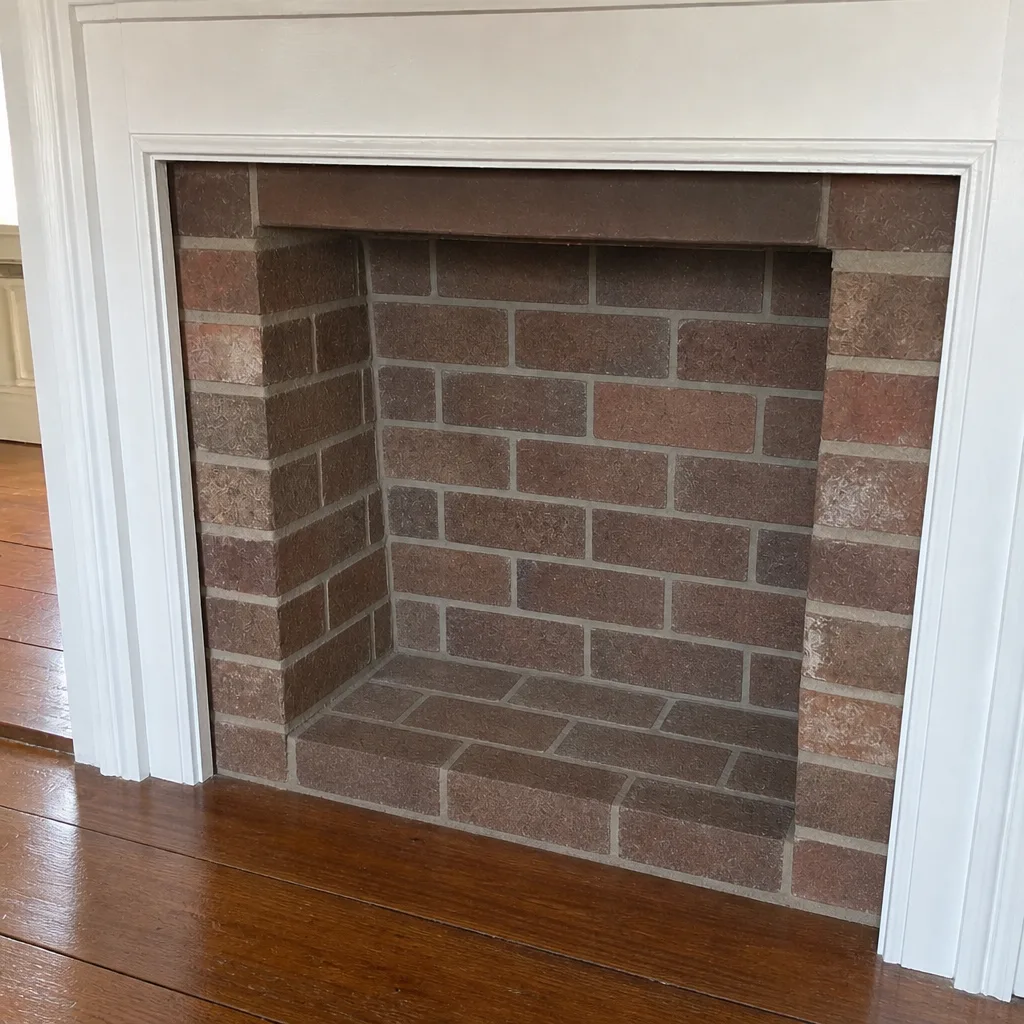
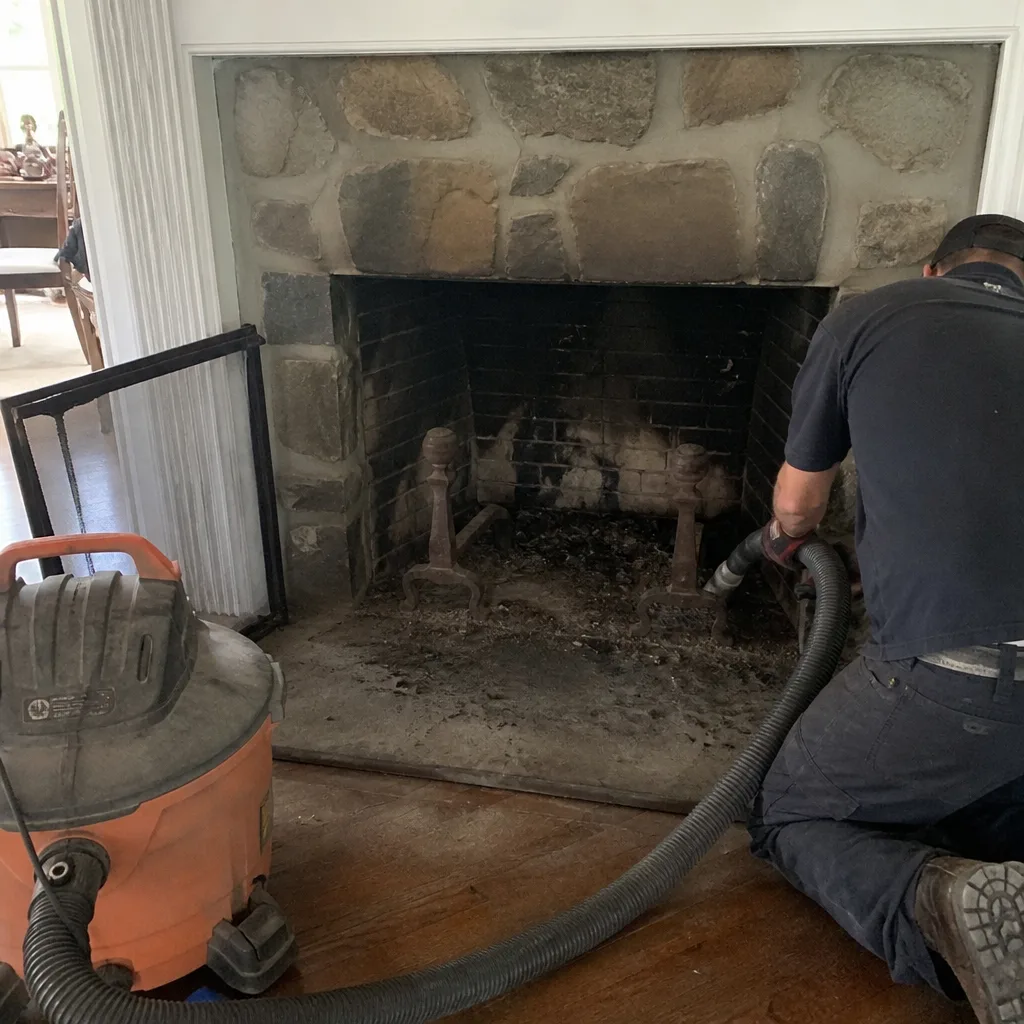
See the difference
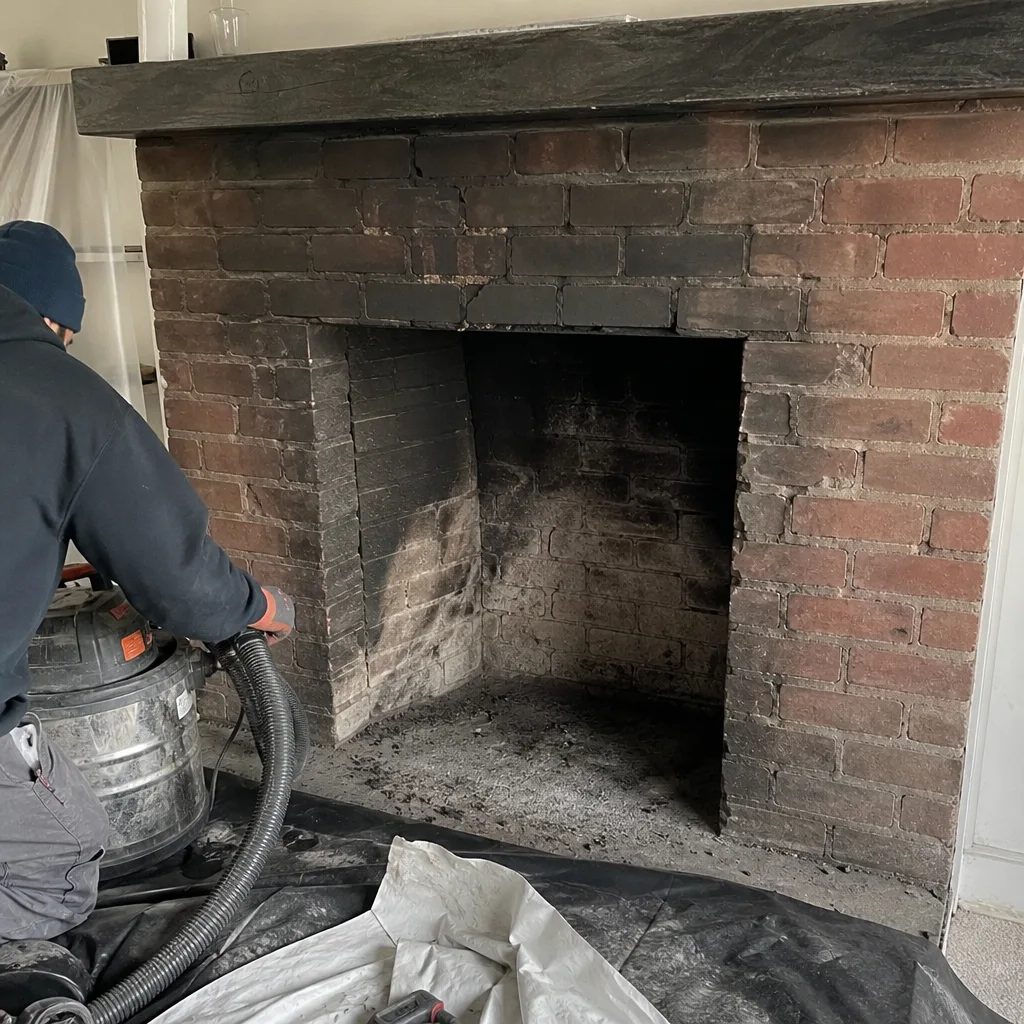 Before
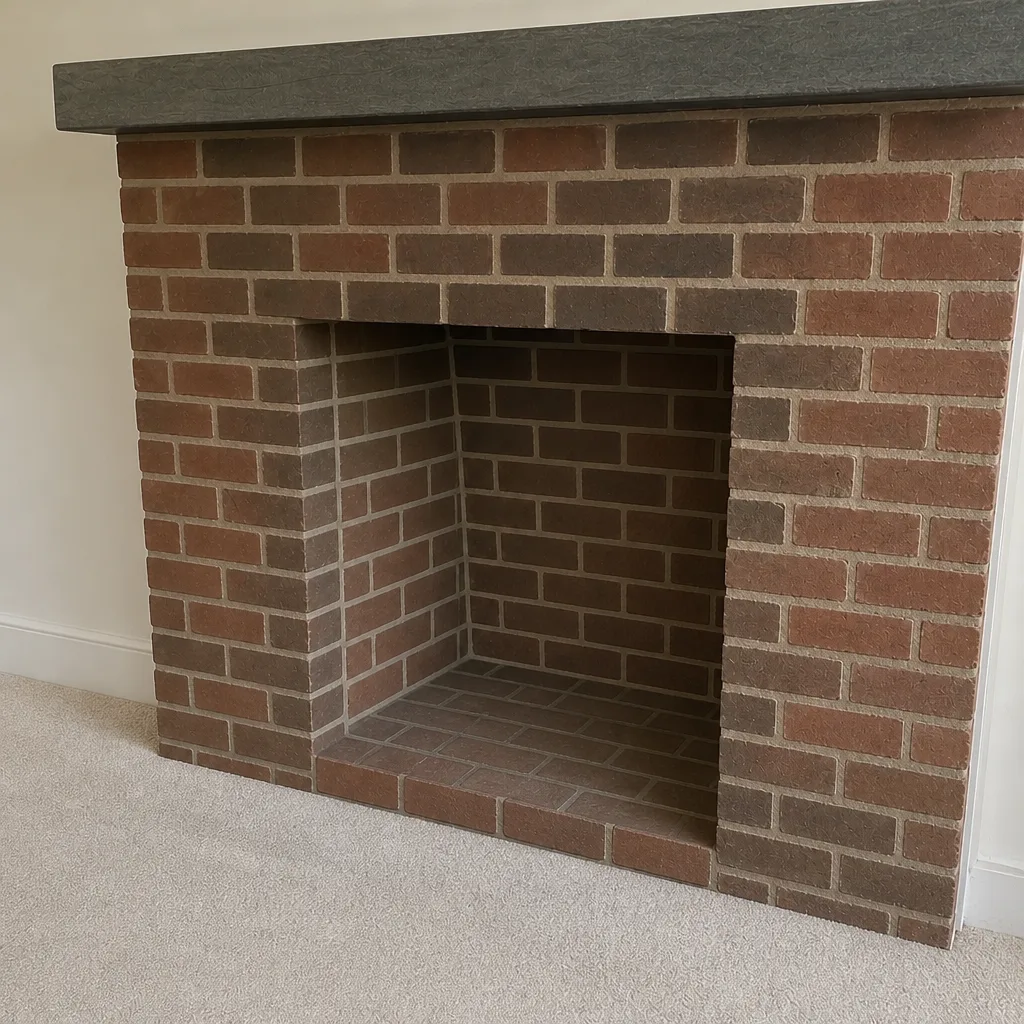 After
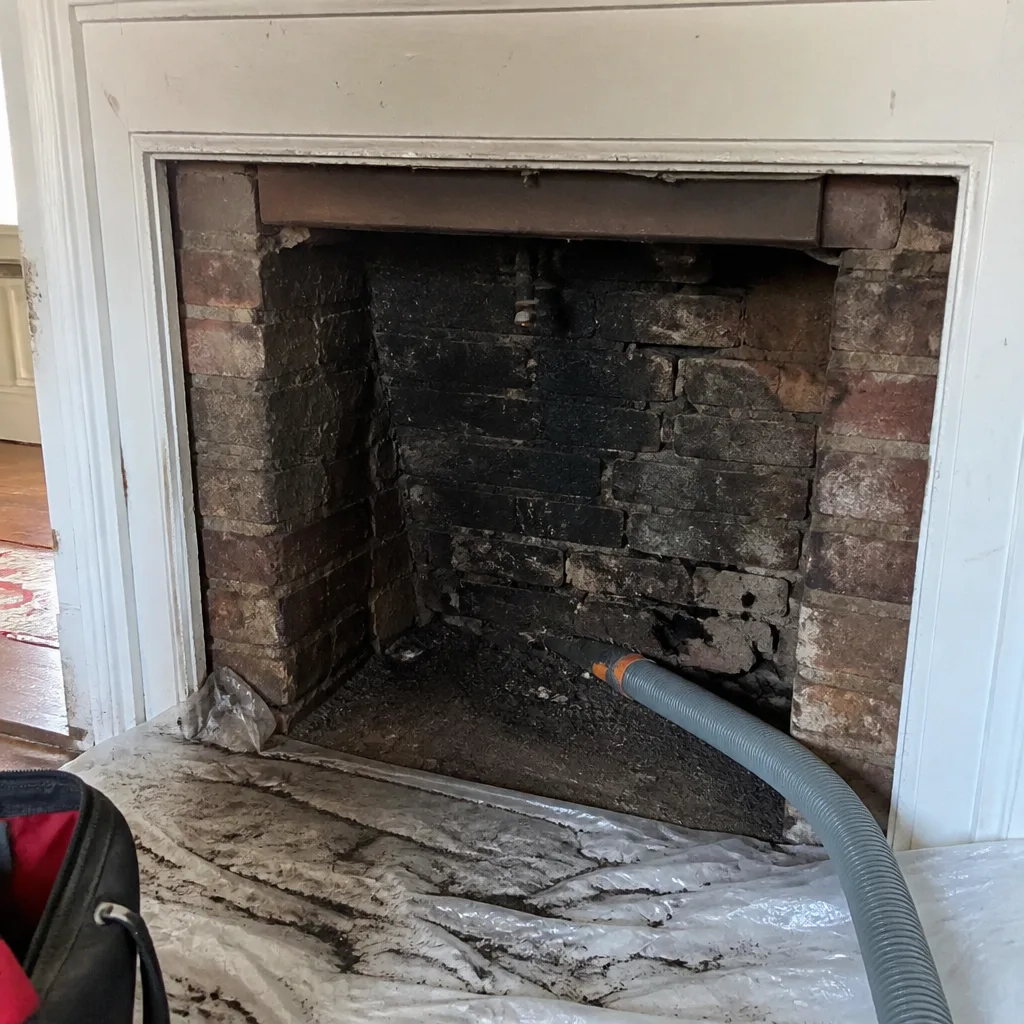 Before
 After
 Before
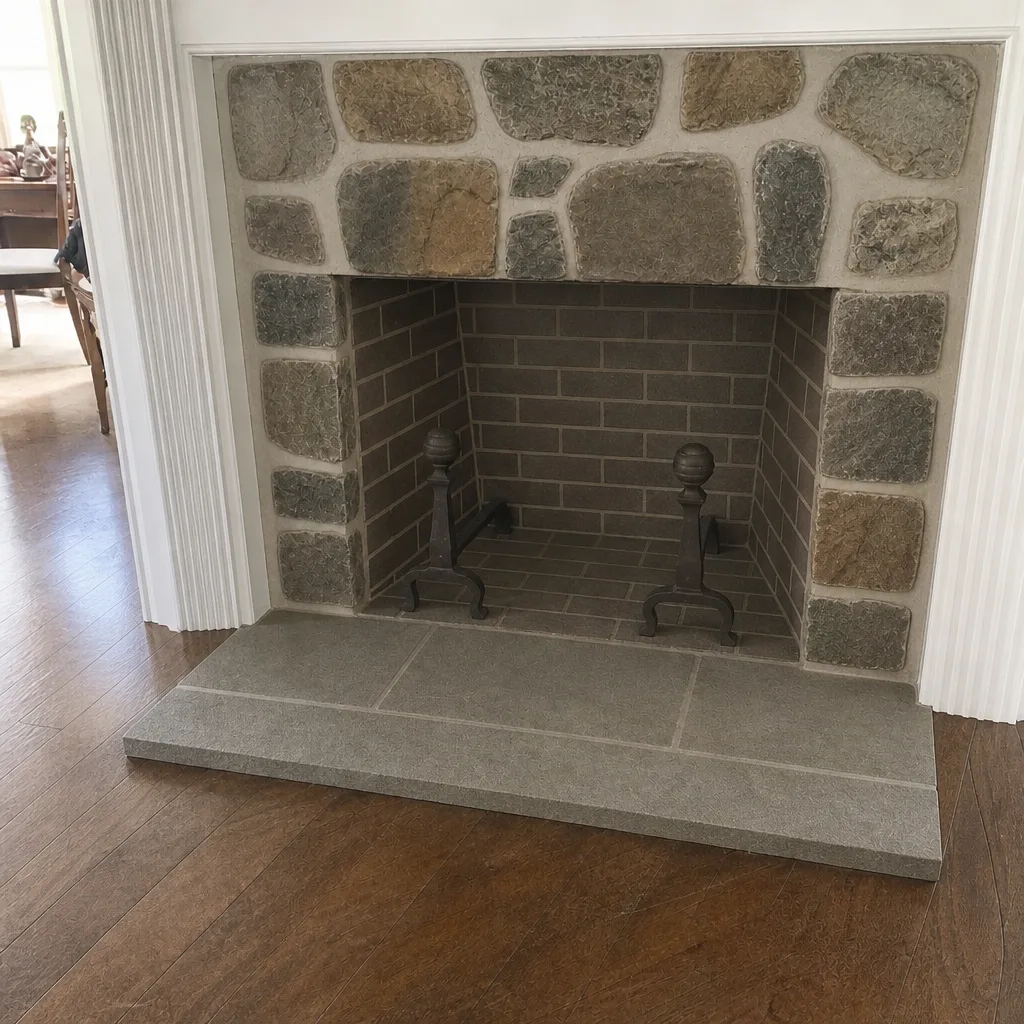 After