
Last updated November 25, 2026
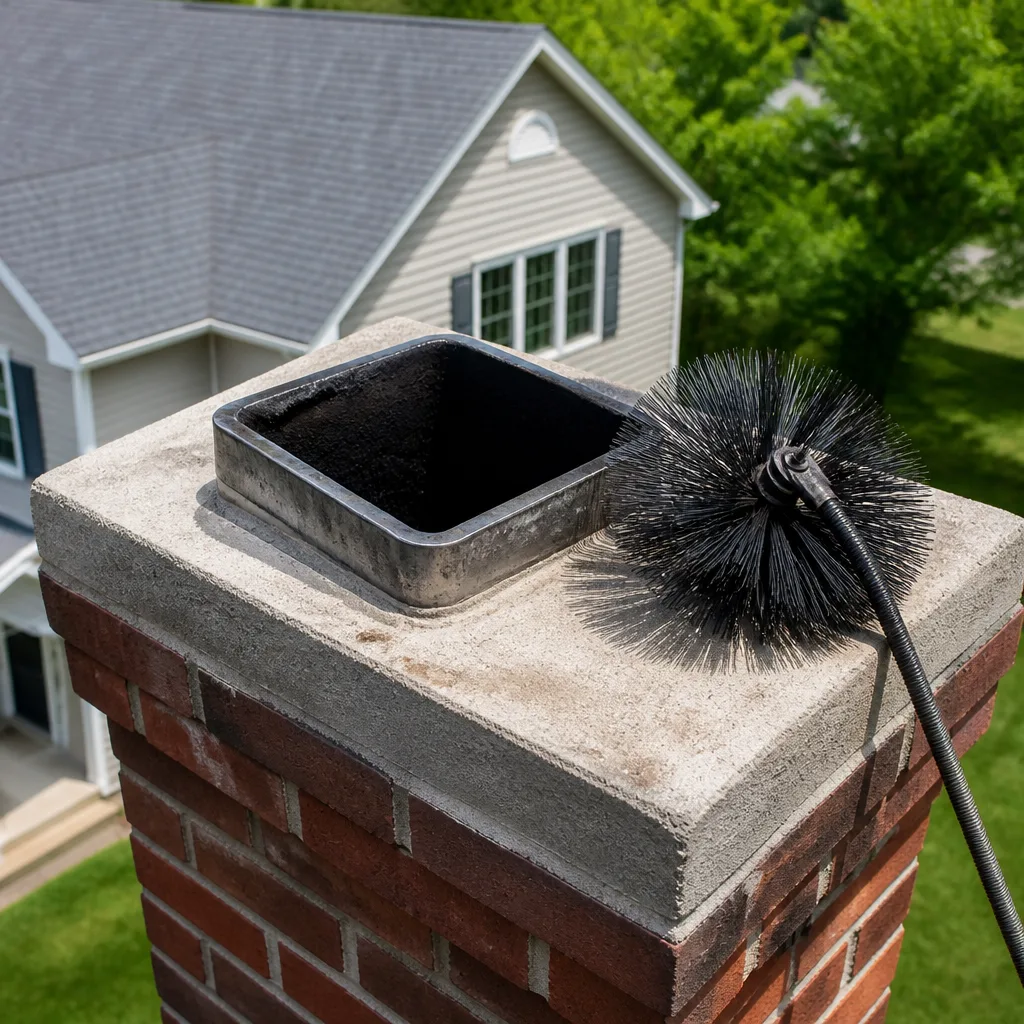 Sweep & inspection
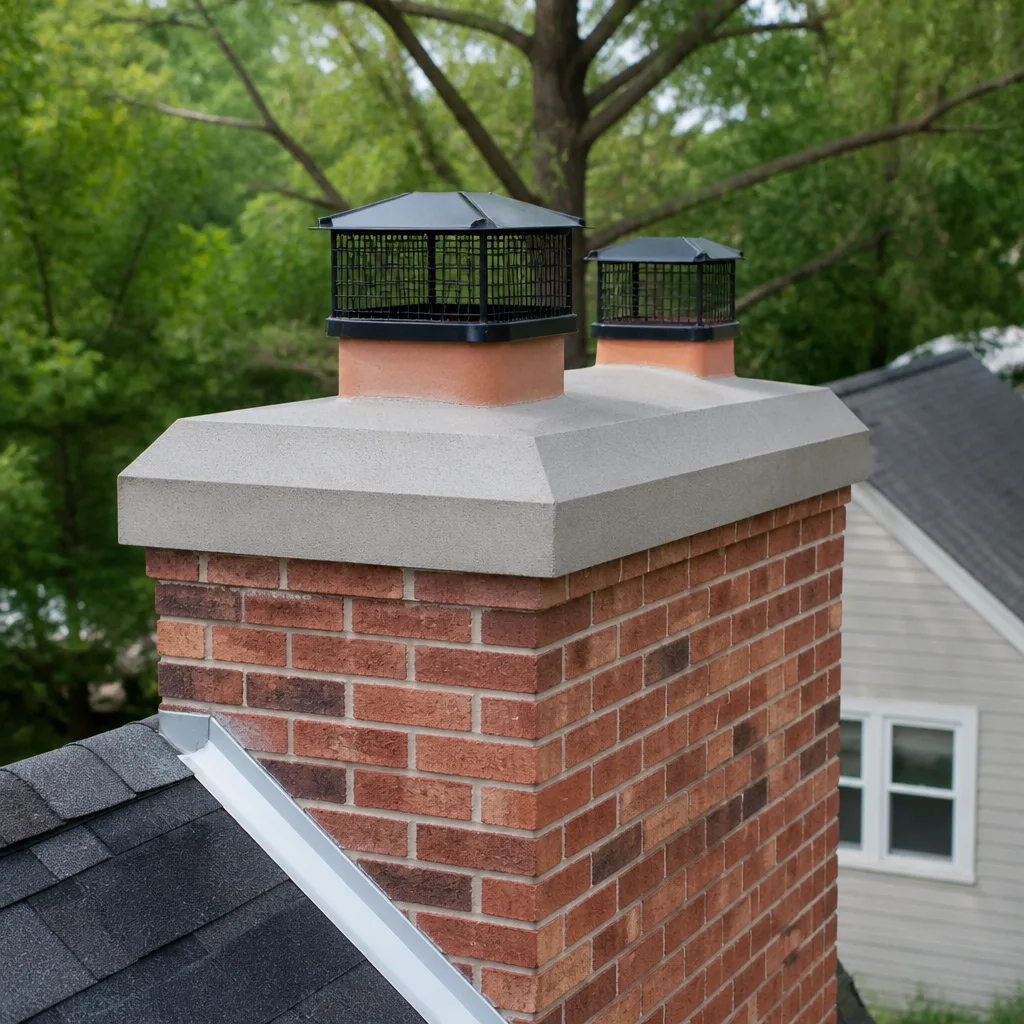 Caps & crowns
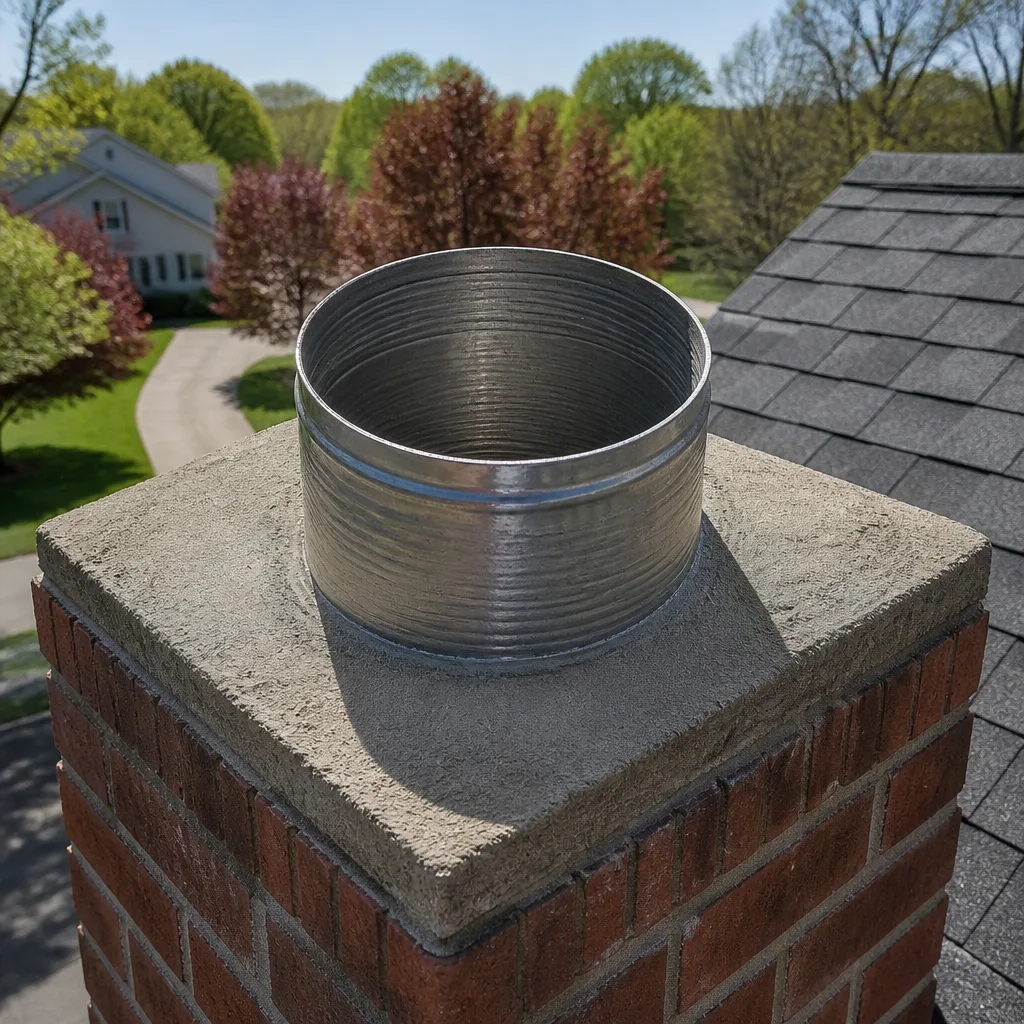 Flue relining
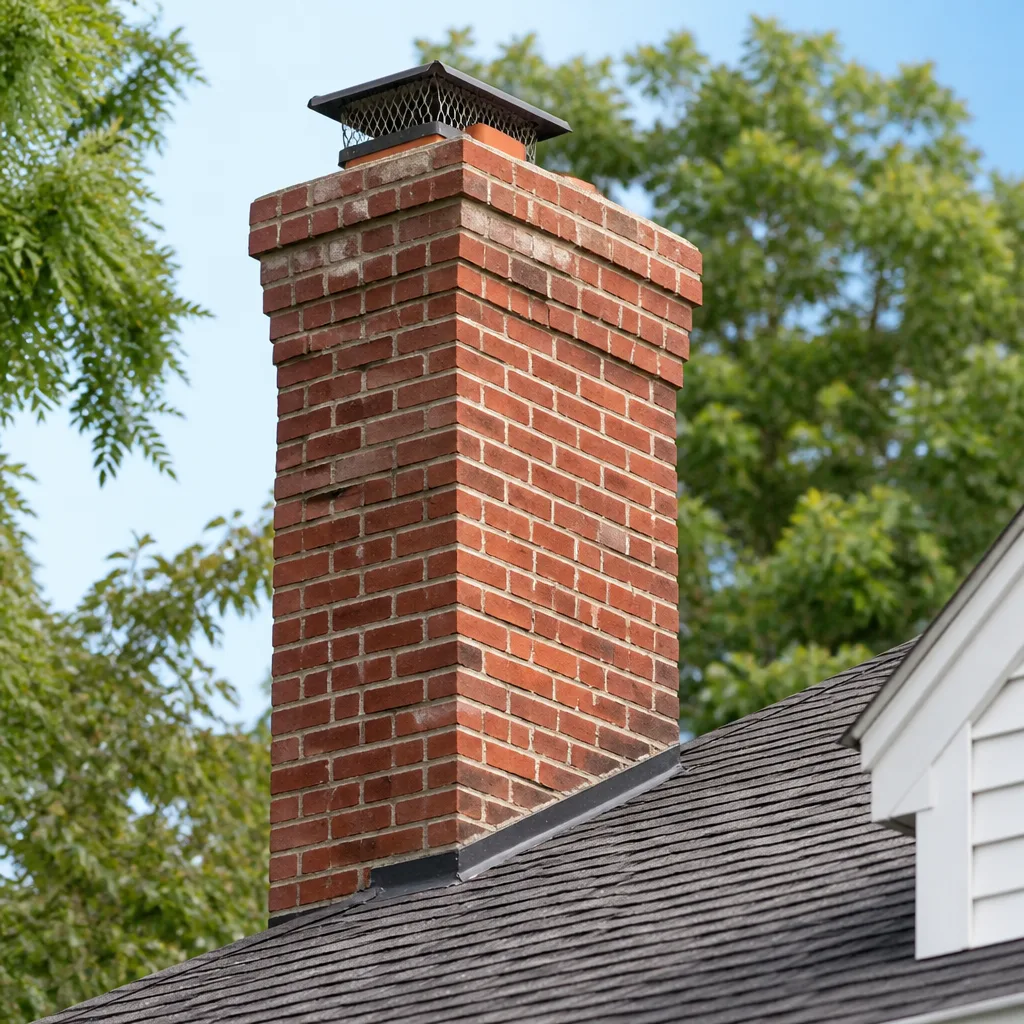 Masonry repair
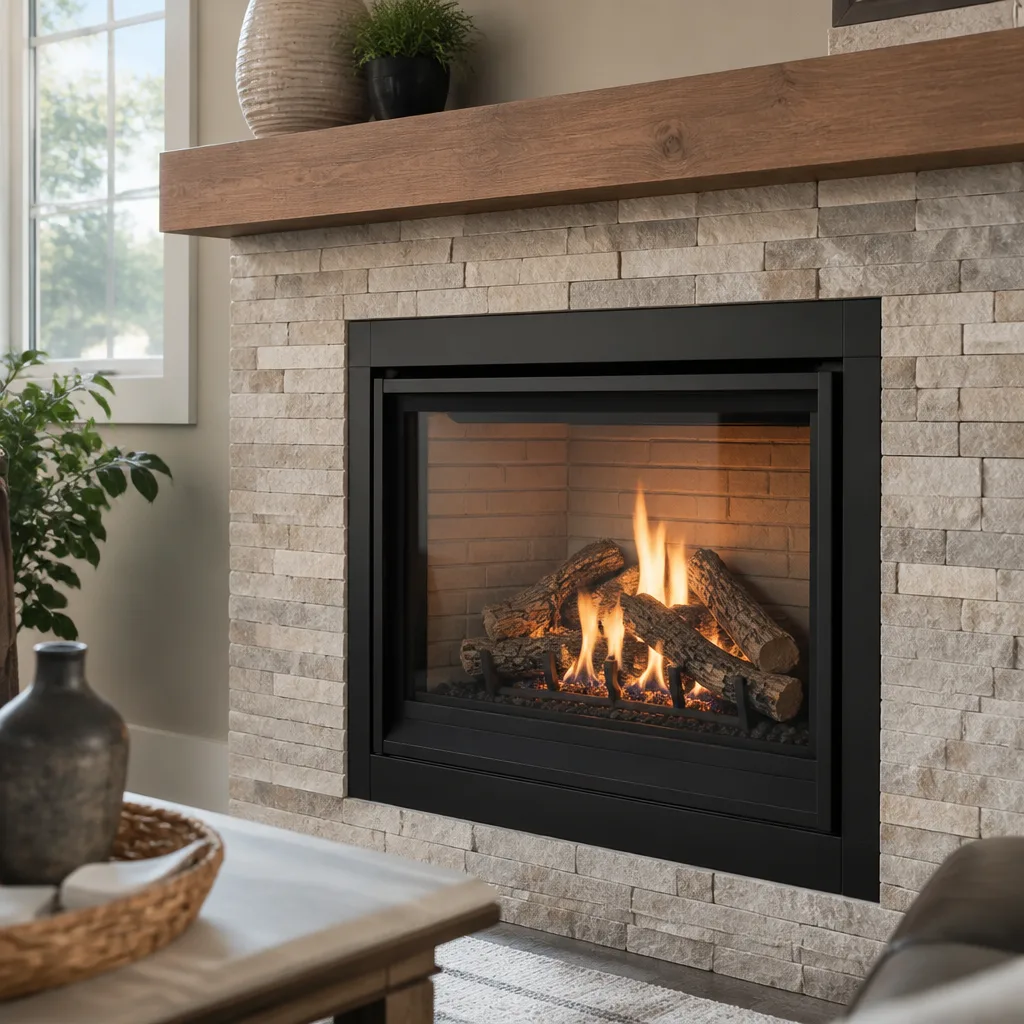 Gas fireplace service
Level 1 sweep and inspection to the NFPA 211 annual standard - flue, crown, cap, and flashing checked and photographed
Chimney sweep logs do not sweep chimneys. They loosen some creosote - which then falls where a brush and vacuum still have to collect it.
Chimney Cleaning Permits, Codes & Inspections in Kingsbridge, NY: What You Need to Know
Here’s the part most chimney conversations skip: cleaning almost never needs a permit, but the work that often gets recommended after a cleaning sometimes does. A reline, a rebuilt crown, a reconstructed flue, a fireplace rebuild – these are construction activities in the eyes of the New York City Building Code, and a contractor who tells you otherwise is either uninformed or hoping you won’t ask. In Kingsbridge, where most homes are older and flues have usually been worked on at least once, that gap matters: an unpermitted repair can surface during an insurance claim or a home sale years later. This guide walks through what actually requires a permit, how inspections are structured, what happens after a chimney fire, and how to verify the person doing the work before anyone touches your flue.
Quick Answer
Routine chimney sweeping and Level 1 inspection generally do not require a permit in Kingsbridge or anywhere else in New York City. Chimney reconstruction, flue liner installation, and structural repair to the chimney typically do require a permit under NYC Building Code §28-105, and the permit holder must be a licensed and registered contractor. Unpermitted chimney work can complicate insurance claims after a fire and raise questions during a title search or home sale. Level 2 and Level 3 inspections are elective in most cases but become effectively necessary after a chimney fire, a liner change, or before a property transfer.
Styles & brands we work with
- Sweep & inspection
- Caps & crowns
- Flue relining
- Masonry repair
- Gas fireplace service
Table of Contents
- Where the Permit Line Sits: Cleaning vs. Repair vs. Reconstruction
- The Three Inspection Levels and When Each One Applies
- After a Chimney Fire: What FDNY Notification Requires
- How Unpermitted Work Affects an Insurance Claim
- How to Verify a Contractor’s Registration
- What Kingsbridge Housing Stock Means for Chimney Code Compliance
- What a Real Inspection Actually Looks Like
- Common Mistakes to Avoid
Where the Permit Line Sits: Cleaning vs. Repair vs. Reconstruction
The distinction comes down to whether you’re removing soot or changing the structure. Sweeping removes creosote and debris from an existing flue that stays as it is. Repair changes a component. Reconstruction replaces or rebuilds one. That second and third category is where the code applies.
Under NYC Building Code §28-105, a work permit is required for chimney construction, alteration, and certain repairs. In practice, the categories break down like this for Kingsbridge residential properties:
- No permit typically required: routine sweeping, debris removal, Level 1 visual inspection, cap replacement on an existing flue (ask your contractor to confirm based on scope), minor mortar repointing on an accessible exterior joint.
- Permit typically required: flue liner installation (relining), chimney crown reconstruction, flue reconstruction above the roofline, firebox rebuild, damper frame replacement that involves masonry, chimney chase reconstruction.
- Grey area, verify with the Department of Buildings: partial repointing on long chimney runs, cap and crown work bundled with liner change, any work that involves cutting into the chimney structure.
If a contractor relining your flue tells you no permit is needed, ask them to put that in writing on their letterhead. A legitimate professional won’t hesitate; a contractor cutting corners will give you a verbal shrug and change the subject. We’ve seen what happens years later when a homeowner tries to sell and a buyer’s attorney pulls the Department of Buildings record. The reline that “didn’t need a permit” becomes a negotiable item worth several thousand dollars off the asking price.
One more thing worth knowing: a permit isn’t just paperwork. It triggers a sequence where an inspector reviews the work at defined stages. That independent check is your protection, and it’s the reason a properly permitted job costs more than an unpermitted one – you’re paying for the code official’s eyes on the installation, not just the installer’s.
The Three Inspection Levels and When Each One Applies
The chimney inspection framework most professionals follow has three tiers, defined in industry standards and referenced across the trade. Each tier is more invasive than the last. Knowing which one you actually need prevents both under-inspection (missing a real problem) and over-inspection (paying for a scope your situation doesn’t warrant).
Level 1: Visual, Accessible, Readily Available
A Level 1 inspection is what comes with an annual sweep. The technician examines all readily accessible portions of the chimney and connected appliance – the firebox, damper, smoke chamber, flue from the top, and the appliance connection – using basic tools and a flashlight. No cameras, no dismantling. It’s appropriate when the appliance hasn’t changed, the chimney hasn’t been worked on, and there’s no indication of a problem. For most Kingsbridge homeowners burning wood seasonally, this is the annual baseline.
Level 2: Camera-Assisted, Full System
A Level 2 inspection adds a video camera run through the flue. It’s mandated in these situations:
- After a chimney fire, regardless of apparent damage.
- When the appliance or fuel type changes (wood insert added, gas appliance swapped in, oil to gas conversion).
- Before a property transfer – most contracts of sale require it, and buyers’ attorneys in the Bronx increasingly ask for documentation.
- After any event likely to have damaged the chimney: a lightning strike nearby, a partial collapse, a seismic event.
- When a Level 1 inspection turns up evidence pointing to an internal problem.
The camera footage and still photos matter as documentation. We include them in every Level 2 report precisely because a homeowner, an insurer, or a future buyer should be able to see what the technician saw.
Level 3: Diagnostic, Exploratory
A Level 3 inspection is what happens when the first two levels identify a problem that can’t be resolved without opening something up. A concealed section of flue behind a wall, a suspected breach in a masonry chase, a firebox that needs partial dismantling to evaluate – Level 3 is diagnostic access. It’s rarely elective. It’s triggered by a specific finding that requires investigation through demolition or removal of a component.
After a Chimney Fire: What FDNY Notification Requires
A chimney fire is not just a chimney event. It’s a fire event, and in New York City the Fire Department’s interest in it doesn’t end when the flames stop. FDNY notification requirements apply to chimney fires and fireplace incidents, and this is a step that gets skipped routinely – sometimes by homeowners who didn’t know, sometimes by contractors who would rather not involve the Department.
Here’s what you need to know:
- Report it. A chimney fire that caused any damage, extended beyond the flue, or required extinguishing by occupants warrants a call to the Fire Department. If the fire was brief and self-limiting, ask FDNY directly whether a report is needed given what occurred. When in doubt, report.
- Get the chimney inspected at Level 2 before relighting. A creosote-fed fire can reach temperatures that crack clay tile, warp a metal liner, or delaminate a refractory firebox. The damage isn’t always visible from outside the chimney.
- Keep the documentation. Fire department reports, inspection reports, photos from the Level 2 camera run – all of it should go in a file tied to the property, not a drawer that gets lost in a move.
- Notify your insurer. Even if you don’t intend to file a claim, most policies require you to report a fire event within a reasonable window. A chimney fire that later becomes the subject of a claim is easier to process when the record is clean.
In our experience, this sequence is the one that gets skipped most. Homeowners relight the fireplace the next evening because everything “looked fine.” Contractors clean and move on without an inspection. The gap between a fire event and its documentation is where problems hide until the next heating season – or the next insurance claim.
How Unpermitted Work Affects an Insurance Claim
When a fire investigation begins, the adjuster’s question is not “was the chimney well built?” It’s “was the chimney installed according to code, and can that be verified?” Those are different questions, and unpermitted work fails the second one.
Insurers look for several things during a chimney-related fire investigation:
- Permit history. Was the liner installed under a Department of Buildings permit? Is the work reflected in the DOB record?
- Contractor credentials. Was the contractor licensed and registered in New York City at the time of the work?
- Material conformity. Was the installed liner or cap the type specified for the application and recognized by the listing agency?
- Inspection documentation. Is there a Level 2 report from before or after the installation showing the system in its current condition?
- Maintenance history. Has the chimney been swept annually, and is there any record of it?
None of these individually kills a claim. But missing several, particularly the permit and the contractor registration, invites the adjuster to treat the entire installation as a non-conforming alteration. The claim can still be paid, but the conversation gets harder, the timeline gets longer, and the coverage amount often shrinks. What would have been a straightforward claim becomes an argument. We work with your insurer where claims are involved, and providing a clear paper trail from the start is the easiest way to keep that process moving.
How to Verify a Contractor’s Registration
New York City requires anyone performing permitted construction work, including chimney work subject to §28-105, to be a licensed and registered contractor in the jurisdiction. The paperwork is verifiable, and it takes about five minutes to check.
- Ask for the contractor’s NYC license and registration. Get the numbers in writing, on a proposal or letterhead – not just verbal.
- Check the DOB license lookup. The Department of Buildings maintains an online record of licensed contractors. Search by name or license number and confirm the status is active.
- Confirm insurance and workers’ compensation. Request a certificate of insurance showing general liability coverage and a separate certificate showing workers’ compensation. The certificate should list the correct legal business name matching the license.
- Verify the permit filing. If the scope requires a permit, the contractor should be able to show you the filing. Once filed, permit status is publicly searchable through the DOB.
- Ask who will pull the permit. It should be the contractor performing the work. A contractor asking you to pull a homeowner permit is transferring the legal liability to you.
If the contractor can’t produce a license number, or the number doesn’t match the name on the proposal, the liability shifts to you. If something goes wrong – a fire loss, an injury on your property, a chimney collapse – the homeowner without a documented, licensed, permitted installation is the party left holding it. That’s the piece of this guide we most want homeowners to internalize before they sign anything.
What Kingsbridge Housing Stock Means for Chimney Code Compliance
Kingsbridge sits in the northwest Bronx, and the residential character here shapes how chimney code issues play out in practice. Much of the housing stock is early- to mid-20th-century brick and masonry construction – the kind of building where an original chimney was designed for coal, later adapted for oil, then converted to gas or wood over the decades.
Those successive conversions are where code compliance gets murky. Each conversion should have triggered an inspection, and many did not. A flue sized for a coal furnace is oversized for a modern gas appliance – the draft can be wrong, the liner may have been reduced in a way that isn’t documented, or an unlined section may have been covered over during a renovation. These conditions matter because the inspection level that applies depends on whether the appliance change was ever properly documented. If there’s no record, a Level 2 inspection is the safe default.
Kingsbridge’s climate adds another layer. The Bronx gets hard freeze-thaw cycles through the winter, and older masonry chimneys without a proper crown or with an aging one take the worst of it. Water gets into hairline cracks, freezes, expands, and opens them wider. By the time the crown is obviously failing, the damage usually runs deeper than the crown itself. This is one of the reasons we treat crown and cap work as structural, not cosmetic – a properly fitted Famco or Gelco cap, installed to spec, is doing real work on the chimney’s longevity.
Bronx properties with active wood-burning fireplaces – not gas inserts, actual wood – are the ones where code compliance carries the most weight, because those systems see the highest creosote loads and the highest fire risk. If your fireplace burns wood as a meaningful part of how you heat or use the home, annual sweeping plus the appropriate inspection level is the minimum.
What a Real Inspection Actually Looks Like
An inspection done properly takes more than a walk-by. Here’s what a Level 1 and Level 2 inspection involve in sequence, and what you should expect to see and receive:
- Exterior check. The technician examines the chimney from the roofline – crown condition, cap condition, flashing at the roof penetration, mortar joints, flue tile visible at the top.
- Firebox and damper inspection. Interior firebox walls, damper operation, smoke chamber condition, and the appliance connection if applicable.
- Flue evaluation. For a Level 1, a visual check from the top and through the firebox. For a Level 2, a camera run through the entire flue, recorded.
- Appliance and venting review. Whether the appliance’s venting is correctly sized and connected to the flue, particularly relevant after a conversion.
- Report and photographs. You should receive a written report stating what was inspected, what was found, and what wasn’t accessible. A Level 2 report should include the camera footage.
We include camera inspection and a photo report as standard on diagnostic calls. Not because every chimney needs a camera, but because a homeowner trying to make a decision about a $200 sweep or a several-thousand-dollar reline deserves to see the evidence. When we recommend liner work, it’s because the camera shows deterioration a flashlight can’t reveal. When we recommend waiting, it’s because the footage shows a system that can safely go another season.
That point is worth dwelling on because it’s the thing homeowners hesitate most about. The worry is being told you need work you can’t verify. The answer is documentation – if a technician recommends a reline or masonry repair, ask to see the camera footage and the photos before you agree to anything. If the technician can’t or won’t show you, that’s a red flag about the recommendation, not a reason to doubt the camera.
Common Mistakes to Avoid
- Believing “no permit needed” for structural work. Sweeping doesn’t need a permit; relining, crown reconstruction, and flue rebuilds do. Ask for the “no permit needed” statement in writing and see if the contractor still stands behind it.
- Skipping the Level 2 after a chimney fire. A fire event you didn’t call in is still a fire event. If the fire was real enough to be worth noting, it was real enough to trigger a camera inspection before relighting the fireplace.
- Hiring a contractor who asks you to pull the permit. Homeowner permits transfer legal responsibility to you. The contractor who performs the work should be the permit holder, which means they should be licensed and registered to hold it.
- Not checking the DOB license lookup. A business card with a license number on it isn’t verification. Checking the number against the DOB record is a five-minute task that protects a much larger investment.
- Throwing away the inspection report. Keep the written report and camera footage with your property records. In a Kingsbridge co-op or private home sale, a documented chimney history is a negotiating asset.
- Assuming a cap is a cap. A generic hardware-store cap fitted loosely does not do the work of a properly sized, correctly installed Famco or Gelco cap. The fit and the material matter for both weather protection and spark containment.
- Ignoring the crown until water is inside. By the time the crown is visibly failing, freeze-thaw damage has usually spread. A crown inspection every year is cheaper than a crown reconstruction.
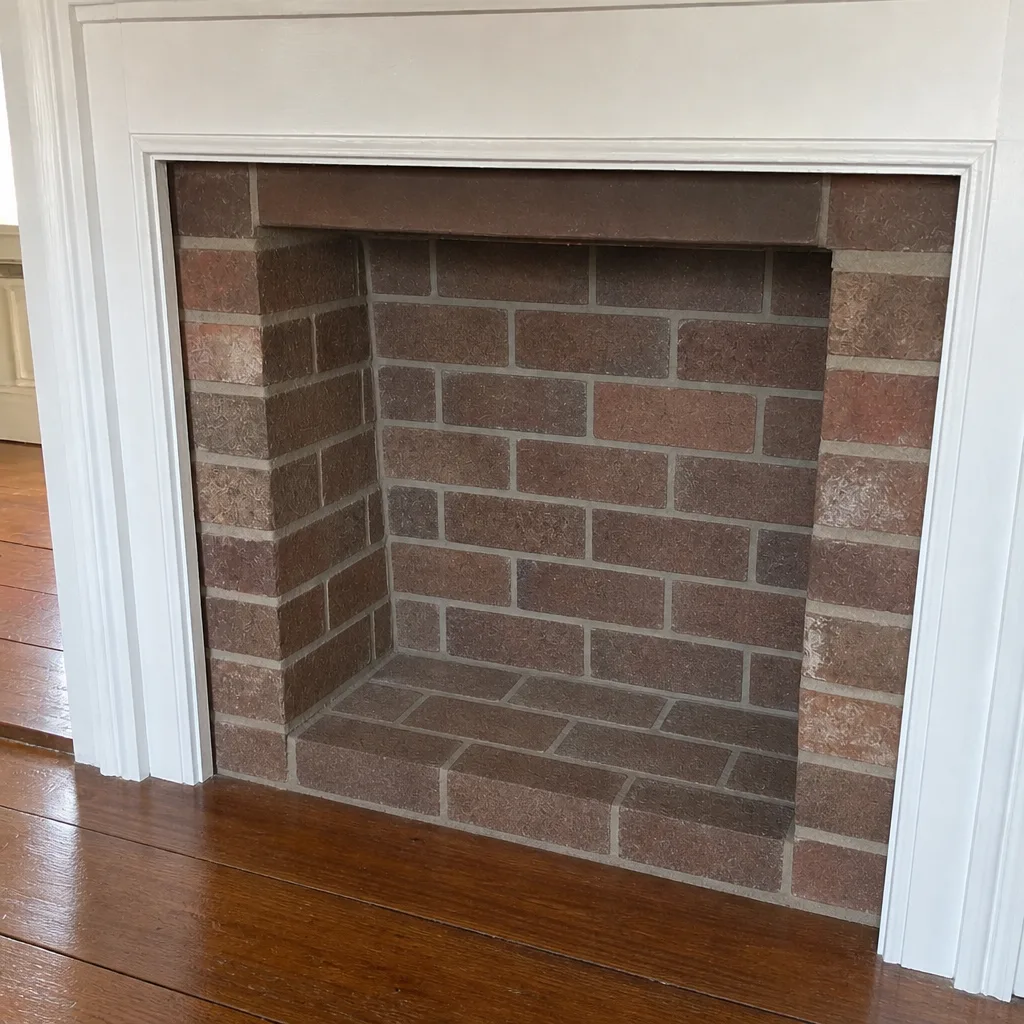
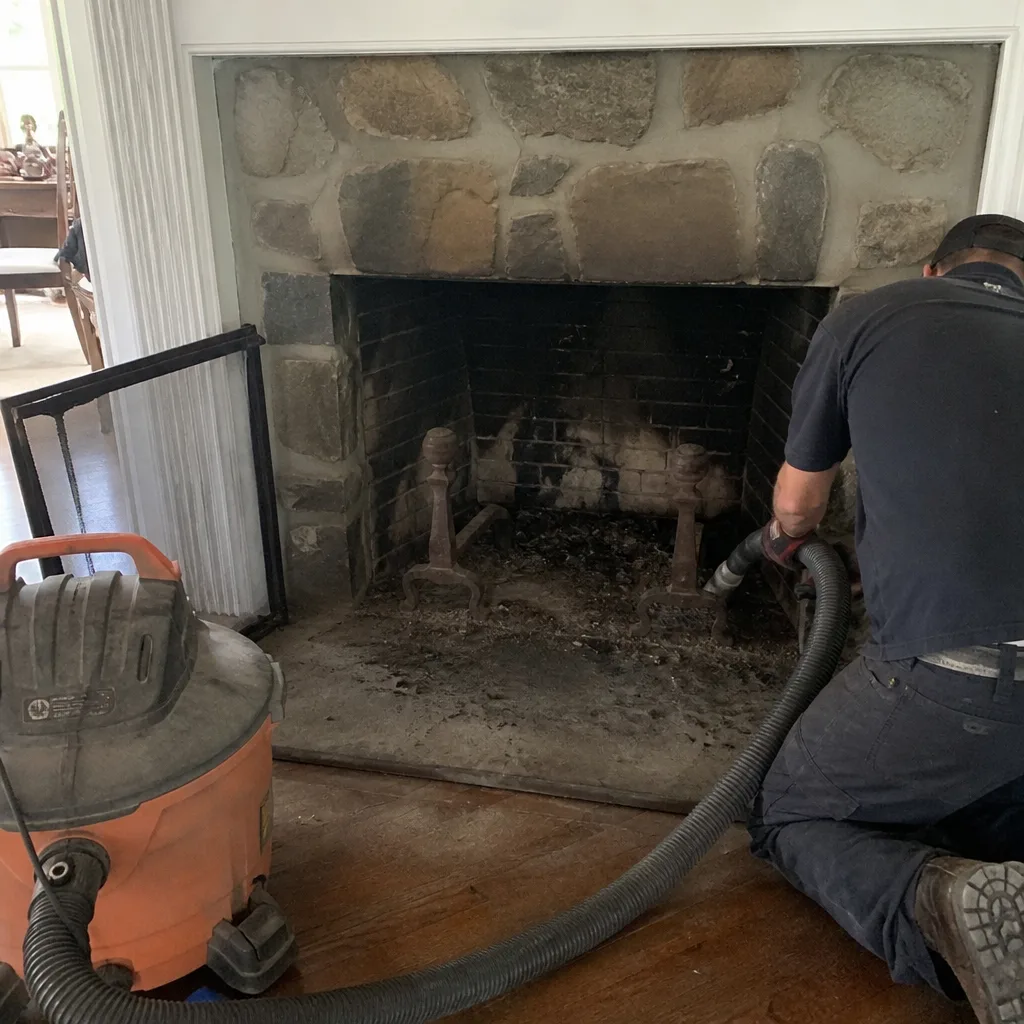
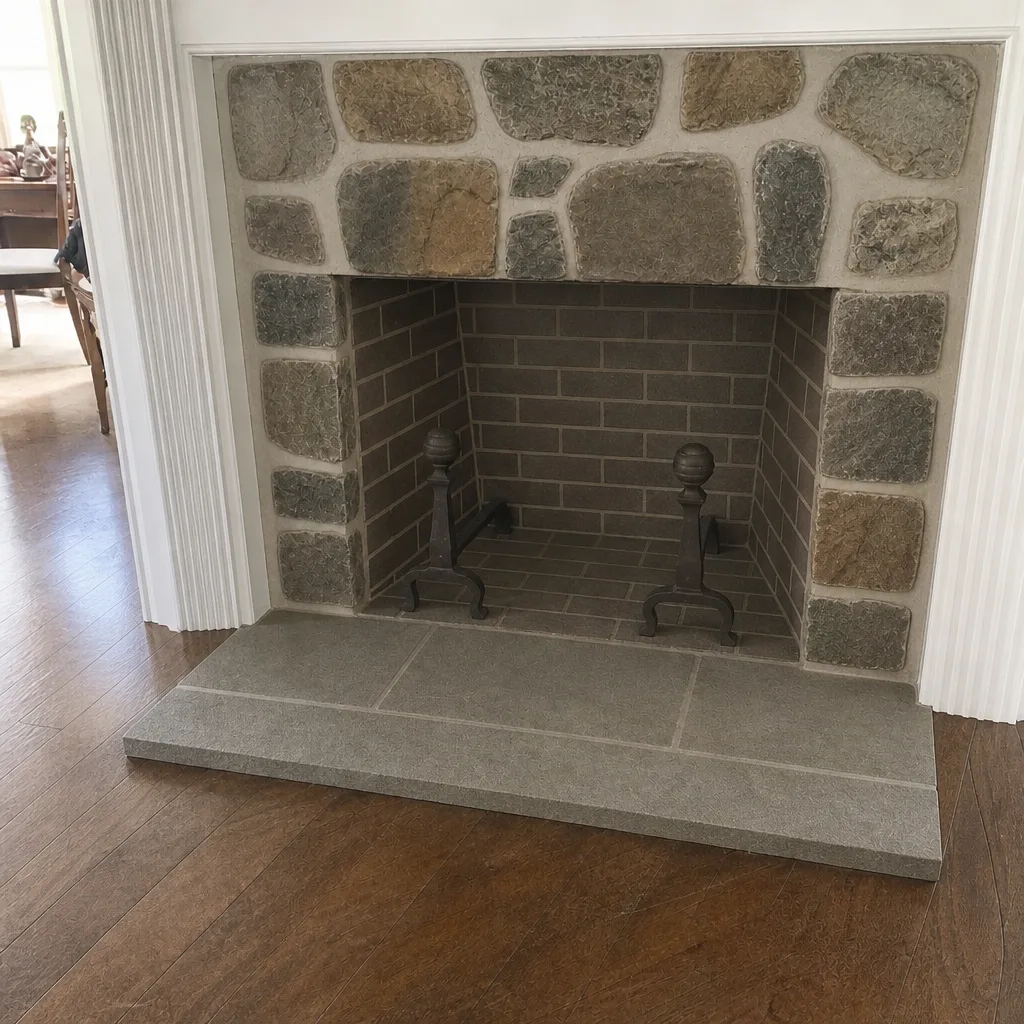
See the difference
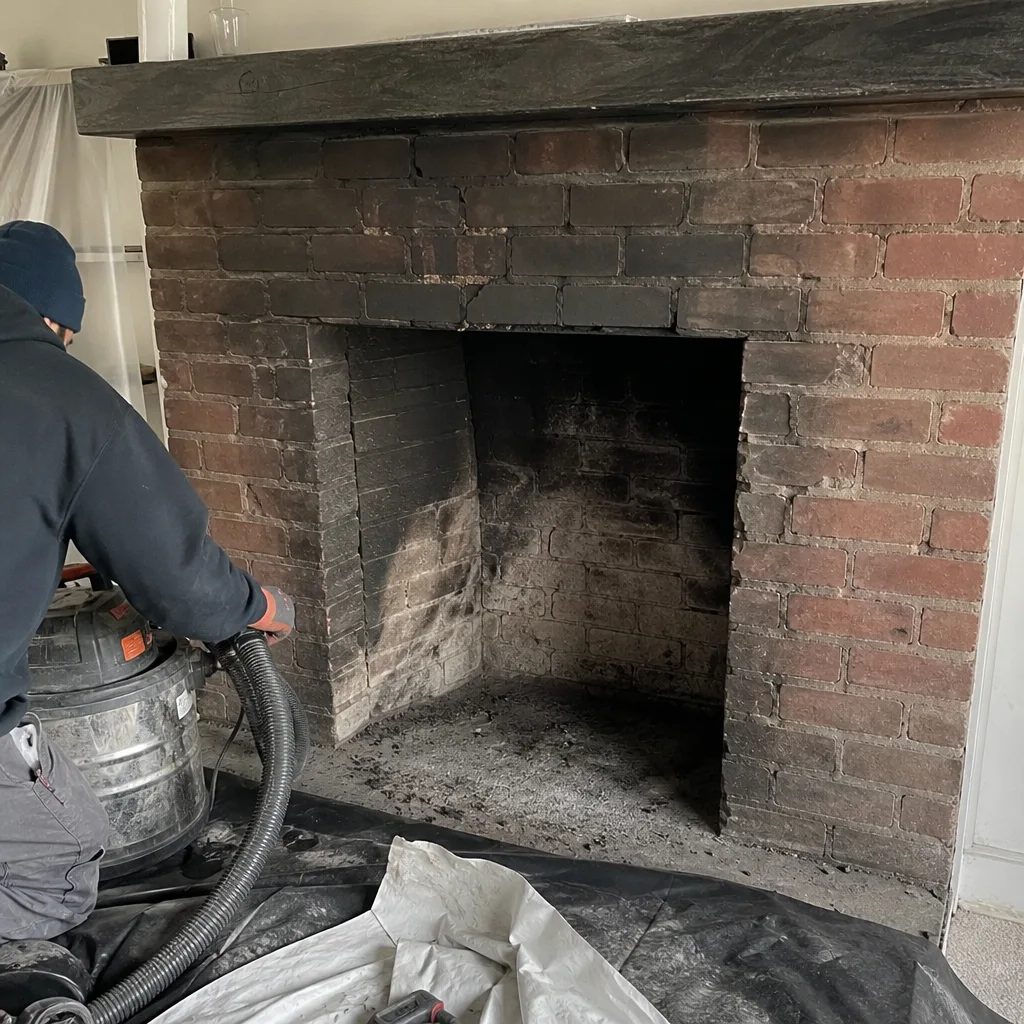 Before
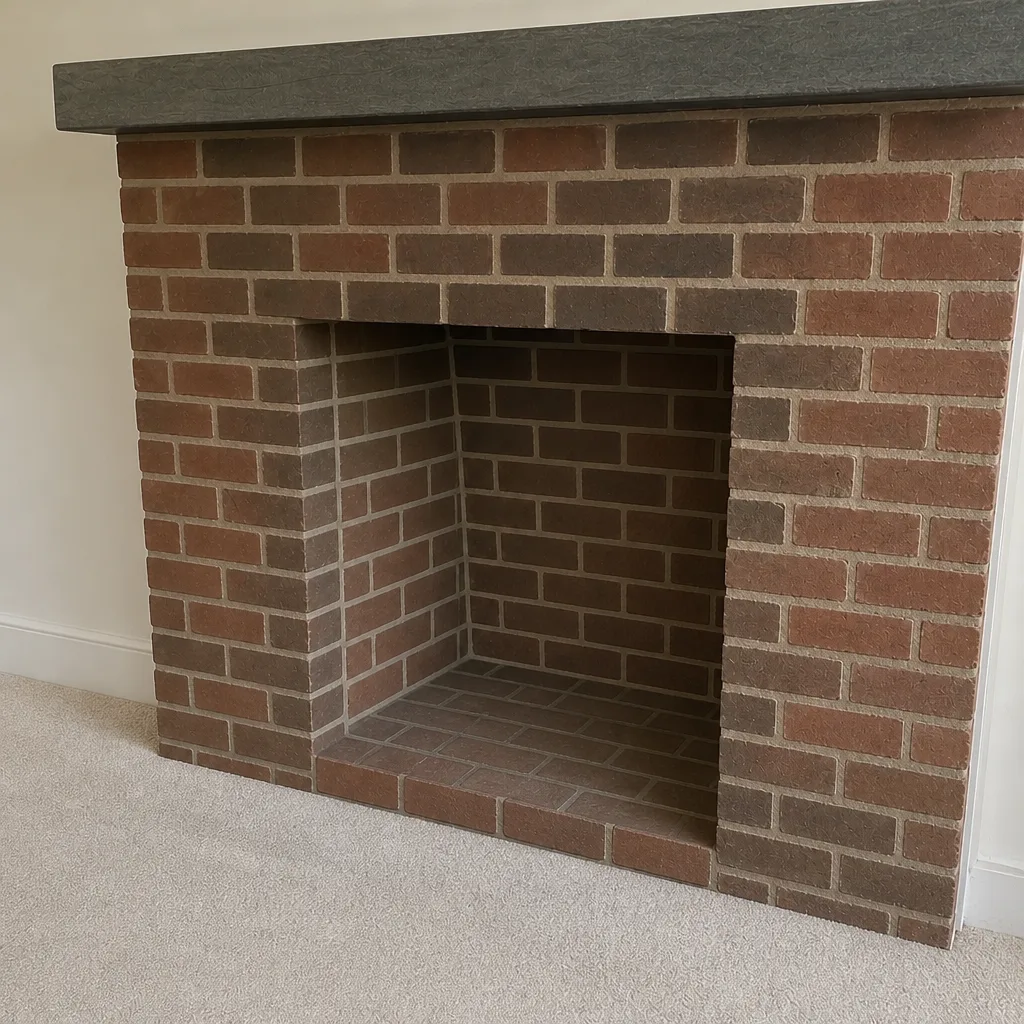 After
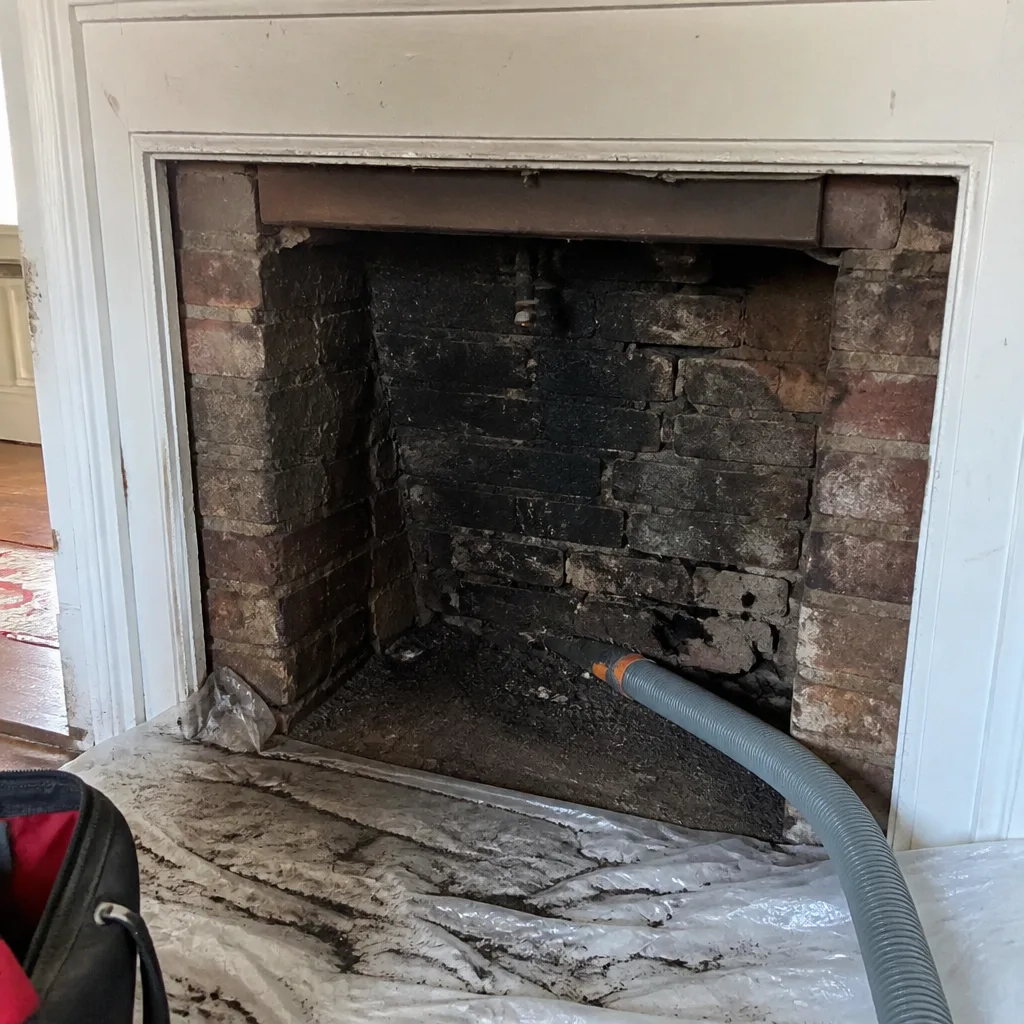 Before
 After
 Before
 After
When to Call a Professional
Call a professional when you smell smoke in the house with the fireplace not in use, when creosote is visible from the firebox, when the damper doesn’t open or close cleanly, or when masonry is loose at the crown or the roofline. Call when the appliance has changed or is about to, when you’re preparing to sell or buy a home with a wood-burning system, and immediately after any chimney fire. Call when a contractor recommends a reline and you want a second opinion on the camera footage. We’ve built our practice around these diagnostic calls because the wrong answer – skip it, replace it, don’t worry about it – is expensive either way. Chimney Sweep Kingsbridge offers free estimates in Kingsbridge – call (866) 937-8901. We answer 24/7, and fast dispatch runs from 7am to 7pm.
Frequently Asked Questions
No. Routine chimney sweeping and a Level 1 inspection in Kingsbridge and across New York City don’t require a Department of Buildings permit. Sweeping removes creosote and debris without changing the structure. Permit requirements start when the work involves liner installation, crown reconstruction, flue repair, or firebox rebuild. Call (866) 937-8901 to talk through what your specific scope involves.
In most cases, yes. Relining is a construction activity under NYC Building Code §28-105, and the permit must be pulled by a licensed and registered contractor. A reline that occurs without a permit can surface during an insurance investigation or a home sale and become a title issue. If your contractor says no permit is needed, ask for that in writing – and consider that the answer itself. Call (866) 937-8901 for an exact quote on your reline scope.
Report the fire to the Fire Department if it caused damage or required extinguishing, notify your insurer, and have the chimney inspected at Level 2 before relighting. A Level 2 inspection includes a camera run through the flue, which is the only reliable way to see whether a fire cracked the clay tile or warped a metal liner. Relighting without the inspection is the mistake we see most. Call (866) 937-8901 to schedule a post-fire Level 2 – estimates are free.
Ask for the contractor’s NYC license and registration numbers in writing, then verify them against the Department of Buildings online lookup. Confirm general liability insurance and workers’ compensation with a certificate that matches the legal business name on the license. If the contractor can’t produce the documentation or asks you to pull the permit, the liability is shifting to you. Call (866) 937-8901 to discuss what verified credentials should look like.
It can. Insurers investigating a chimney fire look for the permit history, contractor credentials, material conformity, and inspection documentation. Unpermitted work that lacks those records can be treated as a non-conforming alteration, which complicates the claim and can reduce the coverage amount. Maintaining a documented, permitted installation is the simplest way to keep a future claim straightforward. Call (866) 937-8901 for a free estimate on bringing your system into compliance.
An annual Level 1 inspection with sweeping is the baseline for any wood-burning system. A Level 2 inspection is warranted after a chimney fire, an appliance change, a property transfer, or any event that may have damaged the chimney. Level 3 is diagnostic and triggered by a specific finding at Level 1 or 2. The schedule matters more than the level because the system’s condition changes each season. Call (866) 937-8901 for an exact quote.
The Bottom Line
Cleaning doesn’t need a permit. Structural work does – and in Kingsbridge, where much of the housing stock has been through several fuel conversions, that distinction carries real weight. Verify your contractor’s license and registration through the DOB before signing. Get the Level 2 inspection after any fire event, and keep the report. Understand what your insurer will look for if something goes wrong, because the paper trail you build now determines how smoothly that process runs. The parts you can’t skip: the annual sweep, the camera evidence before any reline, and the written “no permit needed” statement from anyone claiming it. We handle the whole system here – inspection through chimney repair, with professional-grade materials from DuraFlex and HeatShield that meet the specification standards permit inspectors expect. When you need the chimney cap & crown work fitted properly as part of the job, it’s the same team. And when the schedule calls for a routine chimney sweep, the inspection report that comes with it is documentation, not a sales pitch. You can start with Chimney Sweep Kingsbridge if you’d like to see the full set of services. Call (866) 937-8901 for a free estimate. We answer 24/7. Fast dispatch from 7am to 7pm, Sunday through Friday.
Our technicians have up to 8 years of experience working with the professional-trade brands that certified chimney specialists rely on: DuraFlex flexible liner systems, HeatShield ceramic resurfacing, Olympia Chimney, Gelco and Famco cap products, and Copperfield. One call covers inspection, cleaning, and repair – the same team from the diagnostic through the installation. Nothing recommended without evidence you can see for yourself, and we’ll tell you when work can safely wait.
Written by the team at Chimney Sweep Kingsbridge.