
Last updated November 25, 2026
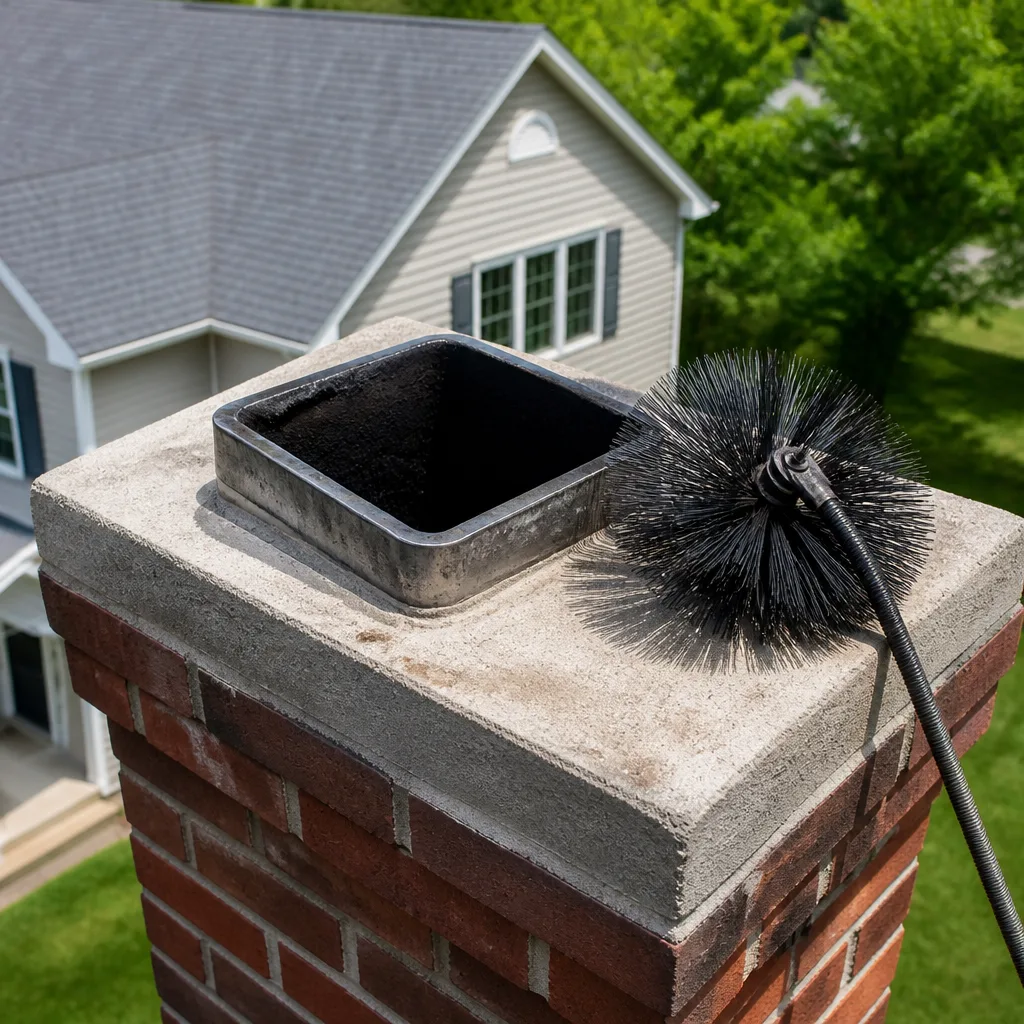 Sweep & inspection
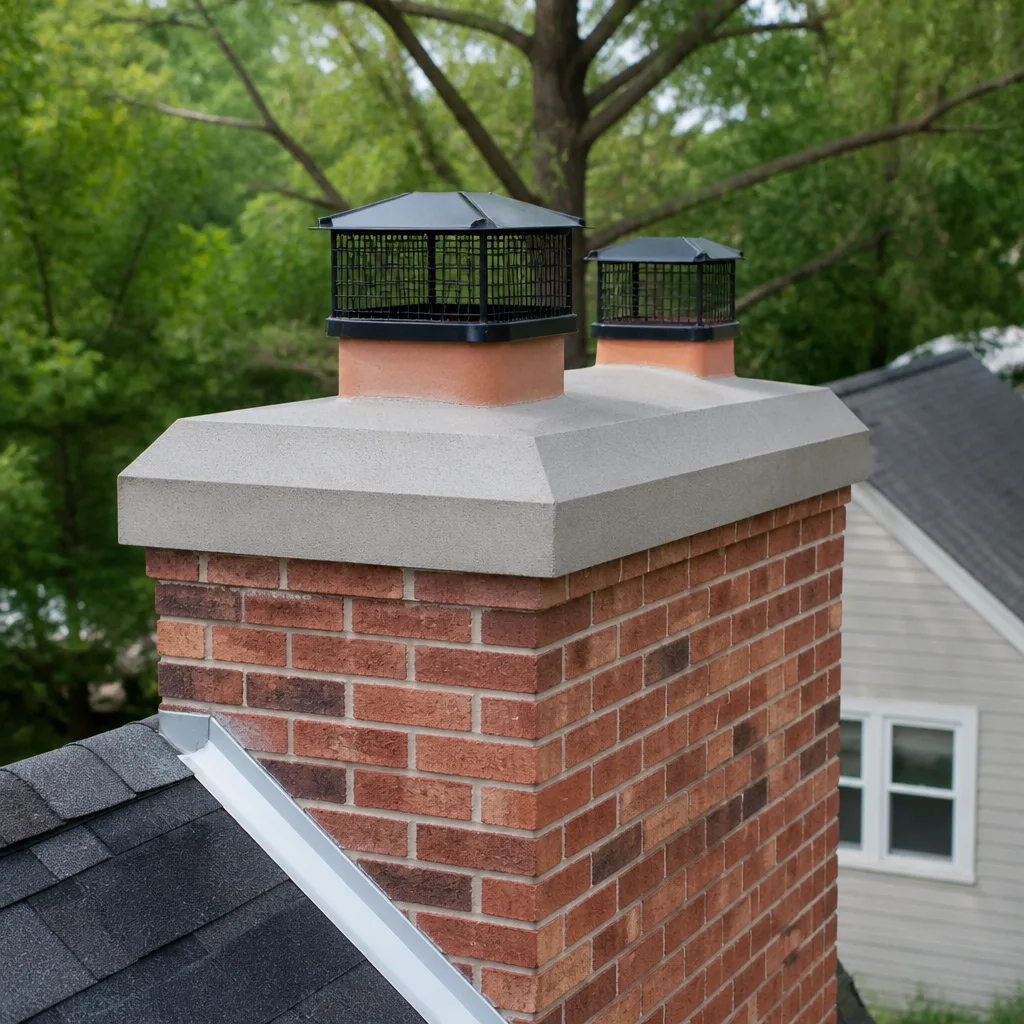 Caps & crowns
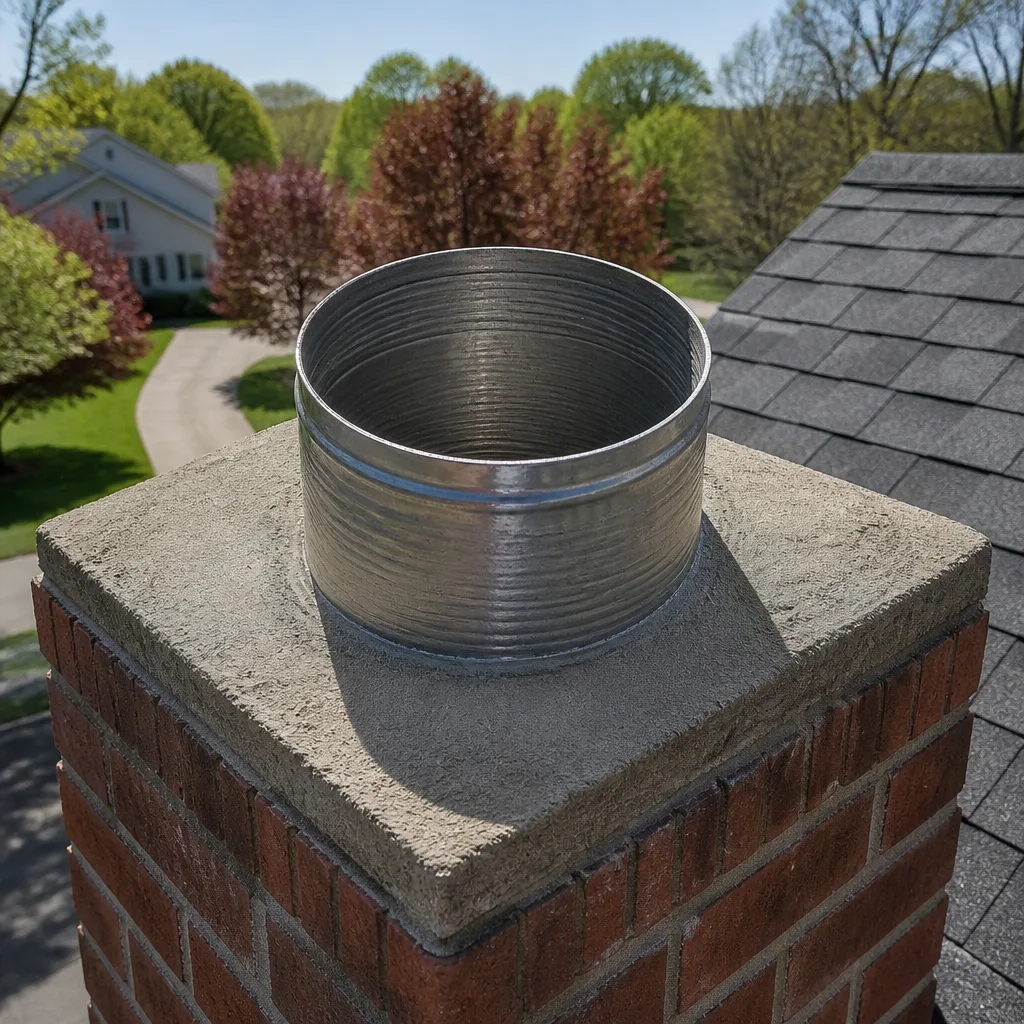 Flue relining
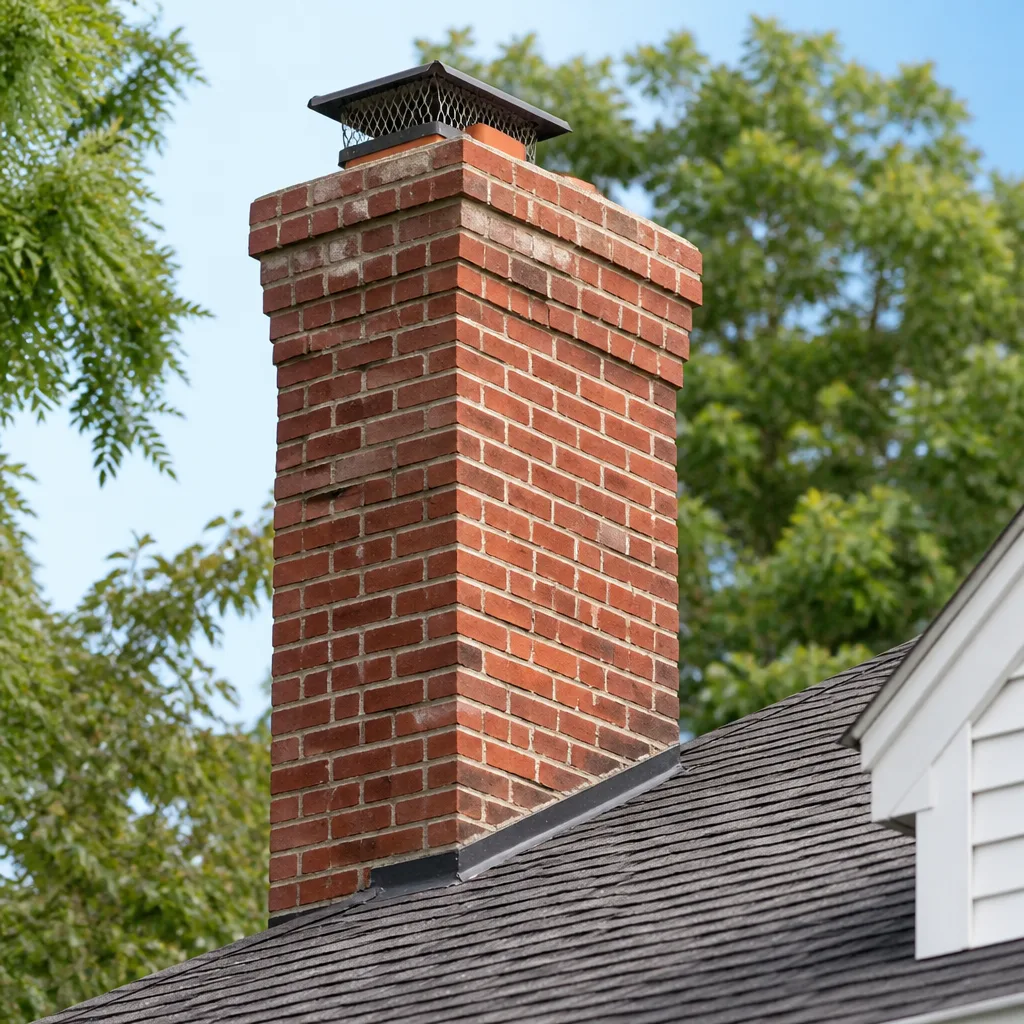 Masonry repair
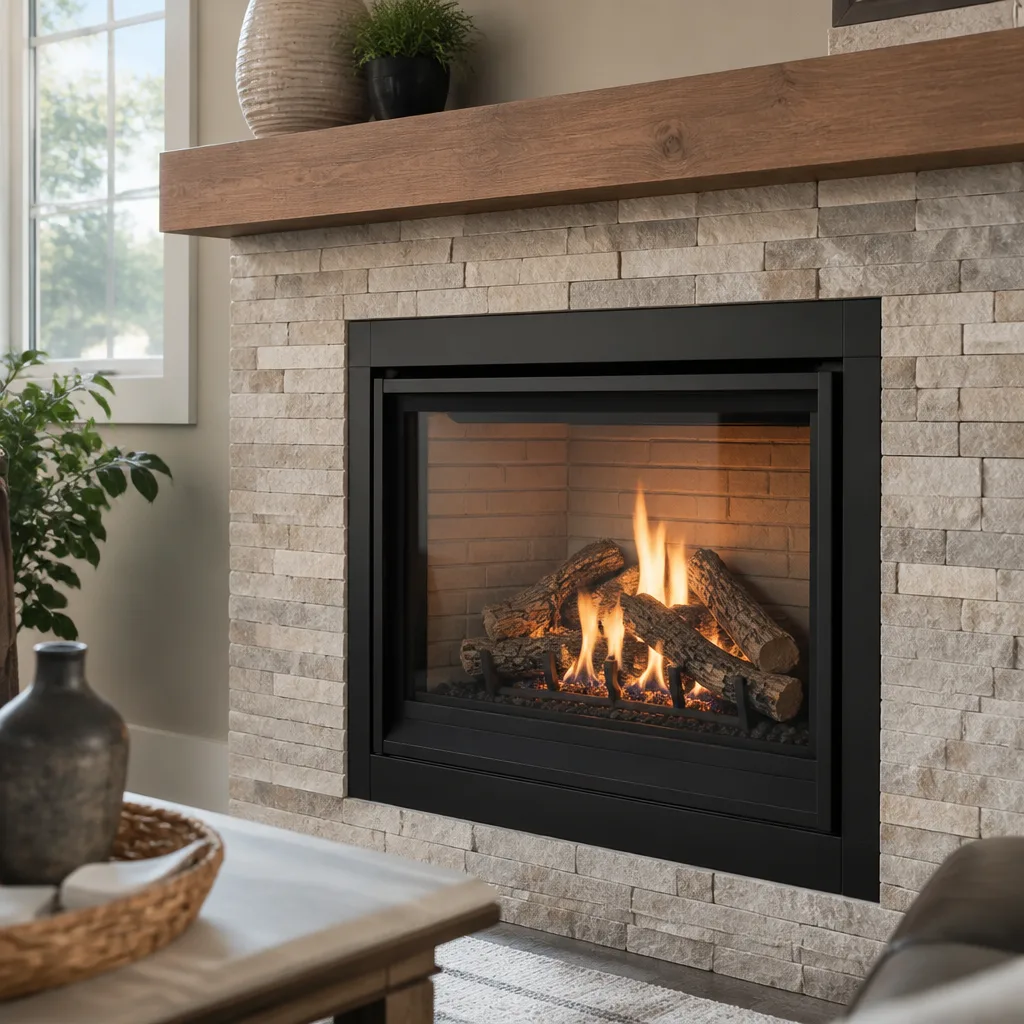 Gas fireplace service
Level 1 sweep and inspection to the NFPA 211 annual standard - flue, crown, cap, and flashing checked and photographed
Chimney sweep logs do not sweep chimneys. They loosen some creosote - which then falls where a brush and vacuum still have to collect it.
The Complete Guide to Chimney Cleaning in Kingsbridge
A chimney can pass a visual inspection and still ignite a house fire. That sounds dramatic, but it’s a plain fact of how flues work: the creosote stage that creates the most danger coats the inside of the flue liner, not the firebox walls you can see from the living room. Homeowners in Kingsbridge often assume a cleaning means sweeping out soot, and that’s part of it, but the real value of a proper cleaning is diagnostic. The sweep tells you what your flue is doing, how your draft behaves, and whether your fire risk has quietly climbed since last season. This guide walks through creosote stages, the housing stock here, what inspections actually include, and what to ask before you hire anyone.
Quick Answer
Chimney cleaning in Kingsbridge means removing creosote and soot from the flue, firebox, and smoke chamber, then inspecting the full system to confirm the liner, damper, crown, and cap are sound. A wood-burning fireplace used regularly should be swept roughly once a year, or sooner if you burn often or notice poor draft. The cleaning itself is the entry point; the inspection that comes with it is what protects the house.
Styles & brands we work with
- Sweep & inspection
- Caps & crowns
- Flue relining
- Masonry repair
- Gas fireplace service
Table of Contents
- Why Cleaning Is a Diagnostic Event, Not a Checkbox
- The Three Stages of Creosote and What Each Requires
- How Kingsbridge’s Housing Stock Changes the Job
- Level 1 vs. Level 2 Inspections: What’s Actually Required
- What a Full-System Specialist Checks That a Sweep Crew Skips
- Oil-to-Gas Conversions and Acidic Condensate
- What Chimney Cleaning Costs in Kingsbridge
- Frequently Asked Questions
Why Cleaning Is a Diagnostic Event, Not a Checkbox
A yearly sweep is often described as maintenance, but in our experience the sweep is the point at which problems get caught. The technician who brushes a flue is the one who sees the liner, the smoke chamber, the damper seat, and the crown. If the job is only “get the soot out and go,” nobody is reading what the flue is telling them.
Here’s what we mean. A flue that drafts sluggishly in cold weather is telling you something about its length, its liner, or the shape of the smoke chamber. A flue that shows shiny, glazed deposits is telling you the fire has been burning cool and slow, and that a standard brush won’t touch what’s built up. A flue with a hairline crack in the liner is telling you that gases have a path into the framing of the house. None of those facts come from looking at the firebox from the den.
In Kingsbridge, where many homes still rely on a fireplace as a real heat source rather than a decoration, treating cleaning as maintenance loses the diagnostic value. We approach every chimney sweep as an inspection-first call: sweep, then inspect, then explain what we found before anyone recommends a repair. That sequence matters. It’s the difference between a cleaning and a diagnostic safety check.
What does a diagnostic sweep actually look for?
- The thickness and texture of creosote in the flue, not just at the firebox throat.
- Whether the liner has cracks, gaps, or missing sections.
- How the damper seats and whether it closes flush.
- Whether the smoke chamber is parged smooth or still has corbelled brick steps that trap soot.
- The condition of the crown and the cap at the top of the chimney.
- Signs of water intrusion or condensate damage along the flue walls.
Those six checks are the core of a real diagnostic sweep. Skip any of them and the homeowner is paying for a cleaning but not getting the safety check that should come with it.
The Three Stages of Creosote and What Each Requires
Creosote is the residue of incomplete combustion, and it doesn’t form in a single texture. It develops through three stages, and each requires different tools. A standard poly brush handles one of them well, one poorly, and one not at all.
Stage 1: Soot and Light Flake
Stage 1 creosote is a dusty, flaky deposit, thin enough that you can often see the flue wall through it. This is what builds up with regular, hot fires and reasonable draft. A standard poly brush takes it off cleanly. This is the easy stage, and it’s the one that most do-it-yourself kits can handle.
Stage 2: Crusty, Brittle Deposits
Stage 2 creosote forms when the fire burns cooler or with less air than it needs. It hardens into a crust that clings to the liner and doesn’t flake away. Some of it will come off with a stiff brush, but the technique is different: more passes, and often a rotary tool rather than a hand brush to work the crust free without gouging the liner. In our experience, Stage 2 is where most wood-burning fireplaces in Kingsbridge land if the homeowner burns regularly through the cold months.
Stage 3: Glazed, Shiny, Hardened
Stage 3 creosote looks like a shiny black coating, almost like tar. It forms in fires that burn low and slow, often with unseasoned wood or a smoldering overnight log. It does not come off with a standard brush. Removing Stage 3 requires rotary cleaning equipment or chemical treatment before brushing. This is the stage that causes chimney fires, because glazed creosote ignites at a lower temperature than the deposits in Stage 1 or 2, and once it ignites it burns hot.
The practical point for a Kingsbridge homeowner: when a sweep climbs up to brush and finds Stage 3, the job changes. It’s no longer a routine cleaning. It becomes a targeted removal, sometimes with chemical treatment followed by a return visit. A sweep who shows up with only a hand brush and doesn’t mention what stage they found hasn’t done the diagnostic part of the job.
How Kingsbridge’s Housing Stock Changes the Job
Kingsbridge is a mix of older attached rowhouses and detached colonials, and that mix creates two very different chimney problems. A rowhouse flue and a freestanding chimney on a colonial behave differently in cold weather, in wind, and in how their clearances are set up.
Attached Rowhouses: Shared Walls and Odd Draft
In rowhouse blocks, a chimney on an interior wall shares a party wall with the neighbor. That physical proximity creates a couple of recognizable issues. Chimneys that share a stack can interfere with each other’s draft, especially on windy days: the flue on the windward side pulls air through the flue on the leeward side, and both fires burn unevenly. A fire that smokes into the room when the neighbor lights theirs is a classic sign of this draft interference, not a defect in either chimney alone.
Clearances above the roofline also matter. Where rowhouses have chimneys that terminate close to a taller neighbor’s roof, the chimney heights may not meet the standard 3-2-10 rule (three feet above the highest point of penetration, two feet above anything within ten feet). When a chimney can’t draft freely because of a nearby structure, you get sluggish smoke, faster creosote buildup, and more frequent cleaning needed.
Detached Colonials: Exterior Chimneys and Cold Flues
A detached colonial with an exterior chimney (a chimney on the outside wall of the house) faces a different problem: the flue runs cold. Cold flues resist draft at startup, which means smoke can puff back into the room before the fire is established. This is why some homeowners in Kingsbridge notice that their first fire of the season smokes into the house, and subsequent fires are fine. The flue has warmed up on the second attempt.
Exterior chimneys also take more weather on the crown and cap. The freeze-thaw we get in this part of New York works on the crown mortar and cap seams every winter. A small mortar crack in the fall becomes a bigger one after a hard freeze. Checking both at the top of the annual sweep is worth as much as the sweep itself.
If your chimney is showing signs of either problem, a proper chimney repair assessment should happen before you keep burning. Draft problems tend to worsen, not settle on their own.
Level 1 vs. Level 2 Inspections: What’s Actually Required
Chimney inspections are defined by a three-level standard used industry-wide, and the difference between Level 1 and Level 2 is more than a matter of thoroughness. It’s about when each is required versus recommended. Most homeowners don’t know the distinction until they’re asked to choose one, and “recommended” and “required” are not the same thing.
Level 1 Inspection
A Level 1 inspection covers the readily accessible portions of the chimney and venting system. The technician looks at the firebox, the damper, the visible portion of the flue from the firebox, and the exterior components that can be seen without special equipment. No camera, no disassembly. A Level 1 is appropriate when the appliance or venting hasn’t changed, the system hasn’t had any known problems, and it’s a routine annual check.
The catch: a Level 1 can’t see the inside of the flue above the first visible section. If there’s a hidden crack or gap higher up, a Level 1 won’t find it.
Level 2 Inspection
A Level 2 inspection includes everything in Level 1 plus a camera inspection of the entire flue interior, the smoke chamber, and accessible portions of the attic, crawl space, and rooftop where relevant. Level 2 is required when any of the following is true:
- You’re buying or selling the home.
- The appliance has changed since the last inspection (a new insert, a changed fuel type, a new heating appliance tied to the flue).
- There has been a chimney fire, a building fire, or a seismic event affecting the chimney.
- The chimney has been damaged by weather, lightning, or another event.
- You’re upgrading or replacing the liner.
The distinction matters in Kingsbridge: a homeowner who switched from an open fireplace to a wood stove insert without asking for a Level 2 inspection may still be running a flue that has never been checked above the firebox. Oil-to-gas conversions count as a change of appliance type, too, and should trigger a Level 2. If you’re not sure which level your situation calls for, ask; a sweep should be able to explain the classification, not just quote a price.
Level 3 Inspection
A Level 3 inspection is rare and diagnostic: it’s used when the technician needs access to concealed areas of the chimney, and it may involve removing parts of the building fabric. That’s not the routine scenario for most Kingsbridge homes, but it’s worth knowing that the level 3 exists so you can see where you are in the scale.
What a Full-System Specialist Checks That a Sweep Crew Skips
There’s a category difference between a sweep crew that only brushes flues and a full-system specialist. The sweep crew does the brushing and gets out. The specialist treats every part of the system as related to the others: a failed crown lets water in, water damages the liner, a damaged liner changes how the flue drafts, and the changed draft makes creosote build faster. Three problems that look separate are one problem in a system view.
Here’s what a full-system check covers beyond the sweep.
- Liner condition. Cracks, gaps, corbelled brick transitions, and missing mortar. A camera inspection of the full liner, not just the visible section, shows what’s actually there. When the liner is failing, options include HeatShield ceramic resurfacing for a restorable flue or DuraFlex liner systems for a full reline. Both are professional-specification products most DIY kits are not set up to install.
- Smoke chamber. The smoke chamber is the tapered area above the damper that funnels smoke into the flue. Older chimneys often have corbelled brick steps inside the smoke chamber that trap soot and slow the draft. Parging the smoke chamber smooth is part of the fix when draft is poor.
- Damper seating. A damper that doesn’t seat flush loses the draft control the fire needs. Sometimes the issue is the damper frame, sometimes the damper plate, sometimes both. It’s a small component with a big effect on how the fireplace actually performs.
- Crown. The crown is the sloped concrete (or masonry) cap at the very top of the chimney that sheds water. Cracks in the crown are a direct path for water into the chimney interior. Crown repair is often simpler than it looks, but it has to be done before the liner is damaged.
- Cap. The chimney cap sits on top of the chimney to keep rain, birds, and debris out. A cap fitted to spec, using a professional brand like Gelco or Famco, fits the actual flue dimensions and stays put through wind. A generic hardware-store cap often fits loosely and pulls loose in storms. If your system is missing a cap entirely, that’s an easy fix with outsized consequences.
Single-company accountability matters here. When the technician who inspects the system also installs the liner, the cap, or the crown, there’s no handoff gap between diagnosis and repair. You don’t get a repair proposal from one crew and a different product installed by another. That’s one of the reasons we run inspection, cleaning, cap work, and liner replacement as one service.
If the cap or crown needs attention, our page on chimney cap & crown covers the details of each and when the fix is urgent.
Oil-to-Gas Conversions and Acidic Condensate
A furnace conversion from oil to gas is common in Bronx-area homes, including in Kingsbridge, and it changes what happens inside a chimney. The chimney that used to vent oil exhaust may now be venting gas exhaust, and the two behave very differently.
Gas combustion appliances produce more water vapor than oil appliances. On a cold flue, that vapor condenses on the interior walls. The condensate mixes with the products of combustion and forms an acidic solution, which attacks mortar joints, unlined brick, and clay tile. Over time the flue interior starts to spall and pit. That damage happens without any wood-burning use at all, which surprises homeowners who assume their chimney is only relevant when they light a fire.
The signs are subtle. A white, chalky residue around the flue joints. Mortar that starts to crumble at the seams. Sometimes a musty smell in the basement near the chimney. On an unlined flue, the damage can progress faster than most people expect.
The fix is to reline the flue with a liner rated for the appliance and the temperature of its exhaust. DuraFlex liner systems are one option for this, installed to fit the actual flue inside the chimney. On a flue that’s still sound but showing surface deterioration, HeatShield ceramic resurfacing is sometimes the right approach instead of a full reline, because it restores the interior surface without tearing out the existing liner. The right choice depends on the state of the flue, which is the point of the inspection: what’s actually happening in your chimney, not what a general assumption says should be happening.
If your Kingsbridge home has been through a gas conversion and the chimney hasn’t been inspected since, it’s worth booking a Level 2 inspection before the next heating season. The inspection takes the guesswork out of whether the liner needs replacement.
What Chimney Cleaning Costs in Kingsbridge
Chimney cleaning in Kingsbridge typically runs $150 to $300 for a standard sweep and Level 1 inspection, and $250 to $450 when a camera inspection or significant creosote removal is involved. Pricing for liner or cap work varies by the size of the job, and every quote should come from a written estimate after the inspection.
Here’s the range breakdown that matters:
| Service | Typical Range | Notes |
|---|---|---|
| Sweep + Level 1 inspection | $150-$300 | Standard annual or semi-annual cleaning |
| Level 2 inspection with camera | $200-$400 | Required for appliance change or sale |
| Stage 3 creosote removal | $300-$600 | Often a return visit after chemical treatment |
| Chimney cap installation | $200-$500 | Varies by flue size and cap style |
| Crown repair | $300-$700 | Depends on the extent of the crack |
| HeatShield liner resurfacing | $1,500-$3,500 | Only when the flue is restorable |
| Full DuraFlex liner replacement | $3,000-$7,000 | The higher end includes insulation and cap |
The written estimate sets the final price. Nothing is recommended without a camera inspection or physical evidence you can see yourself, and if the work can safely wait until next season, we’ll say so. Our technicians have up to 8 years of experience; our job is to tell you what we found and what it means before any work begins. Pricing is per job, quoted in writing.
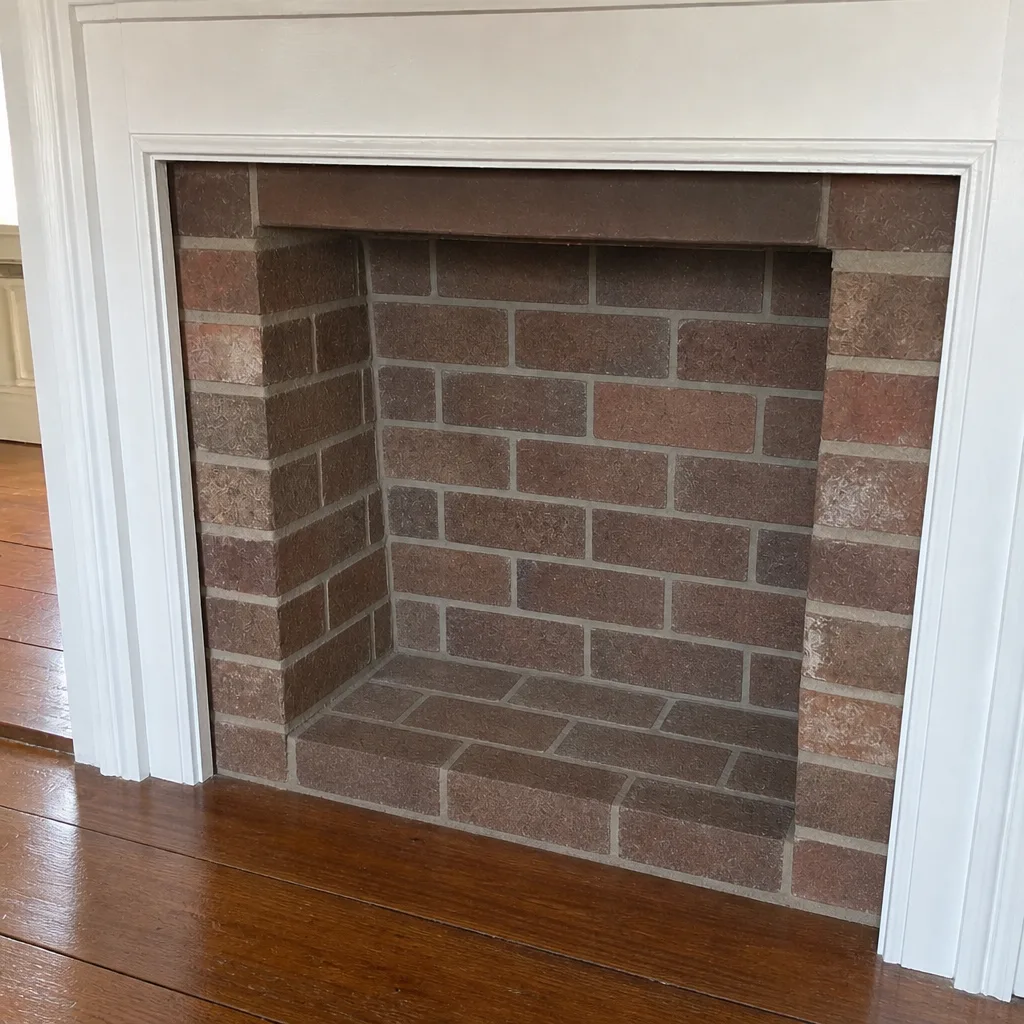
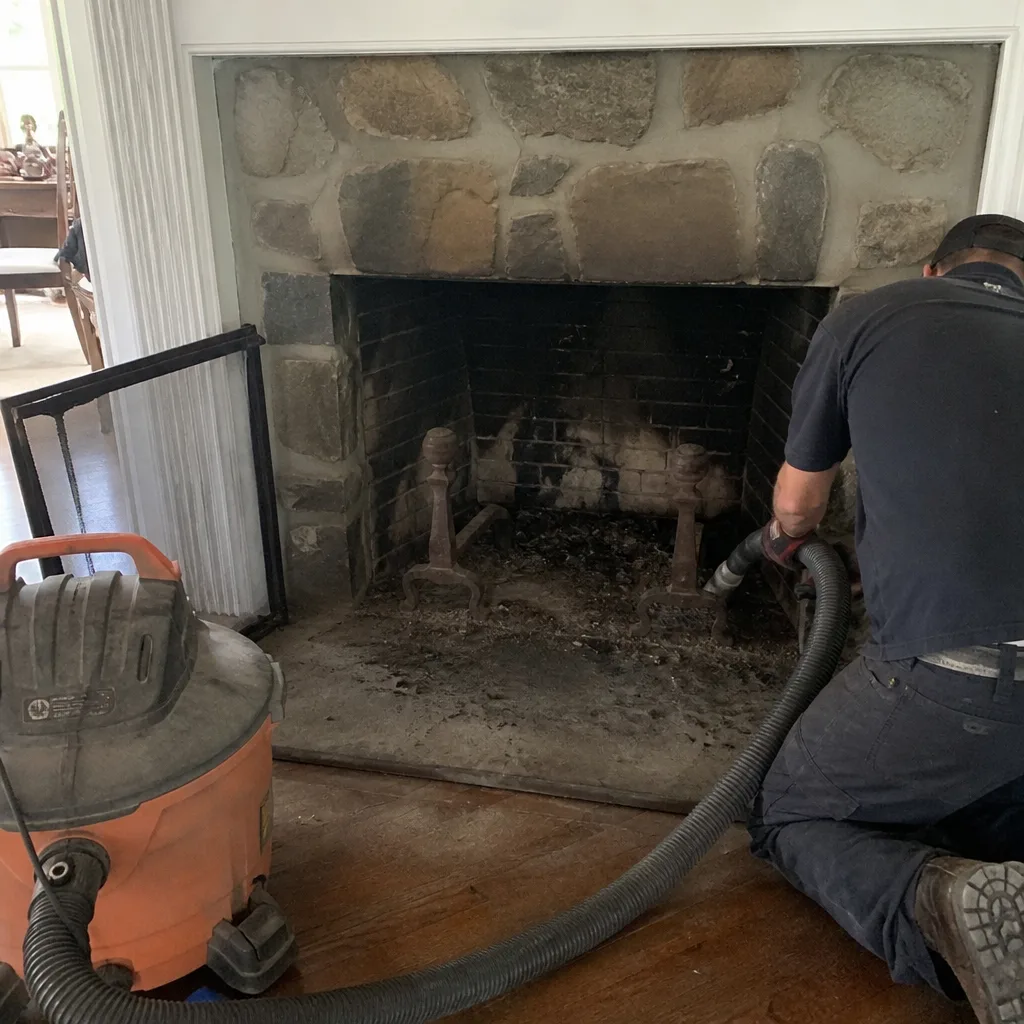
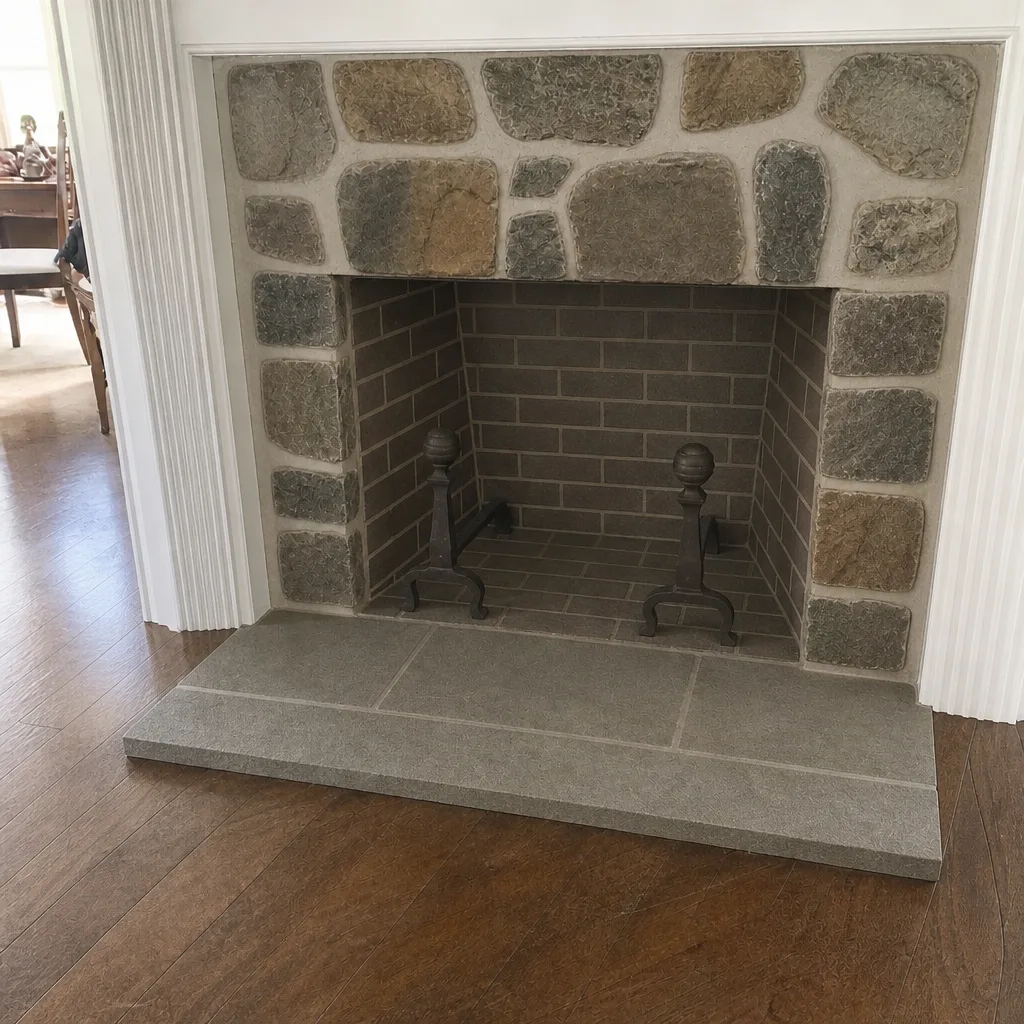
See the difference
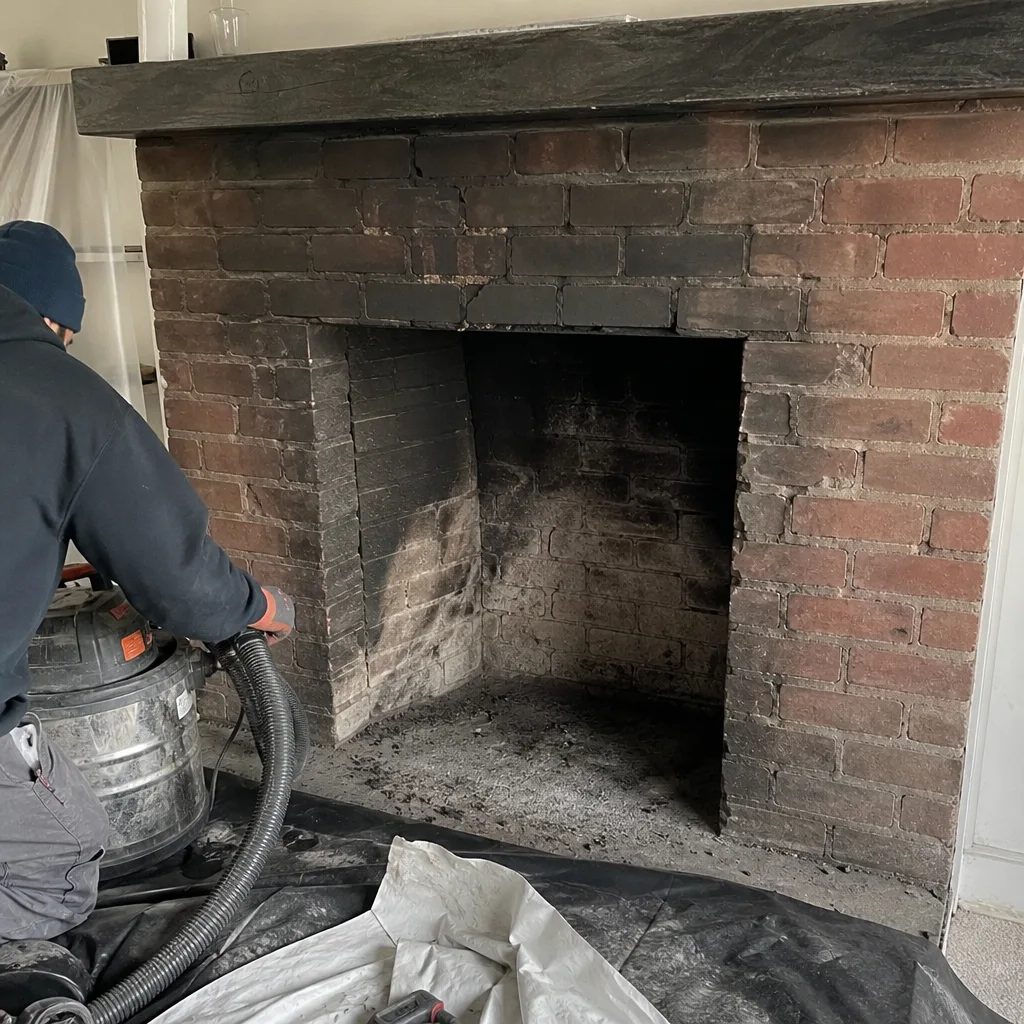 Before
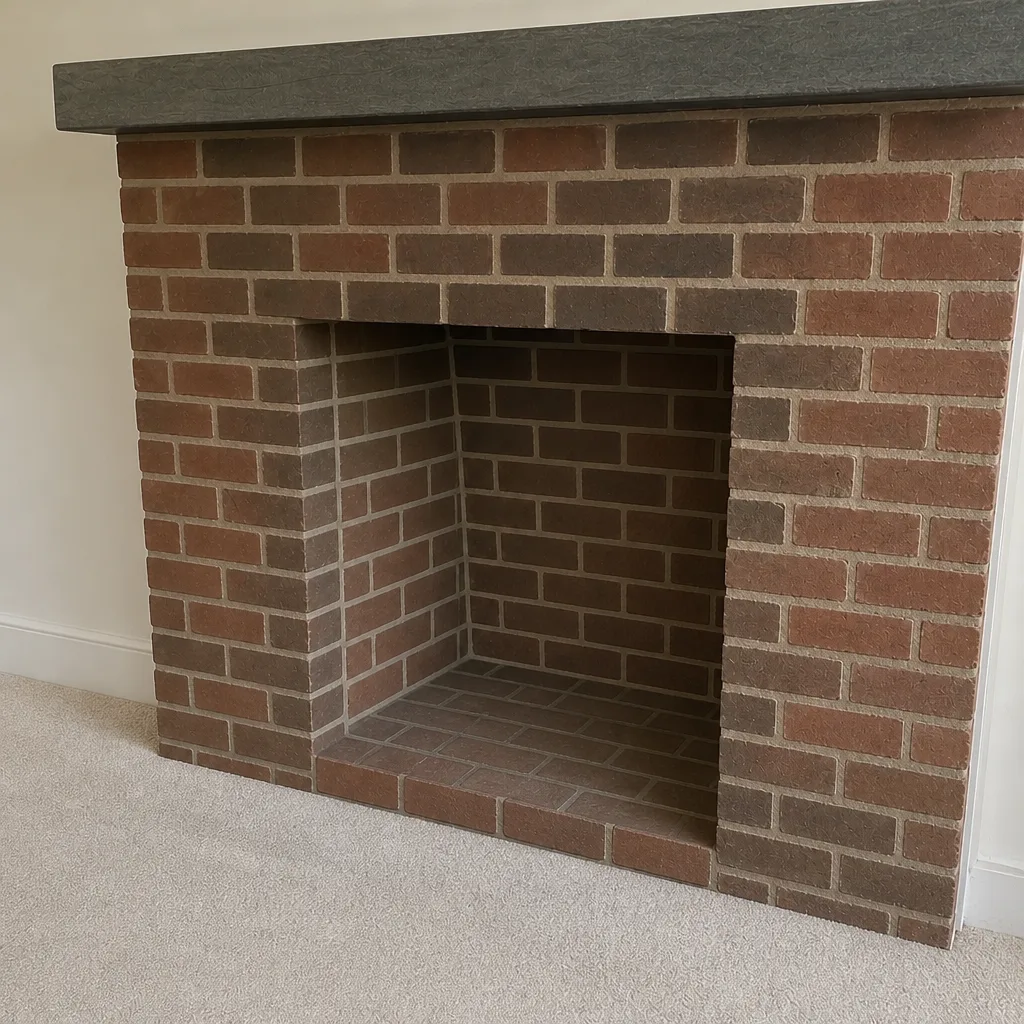 After
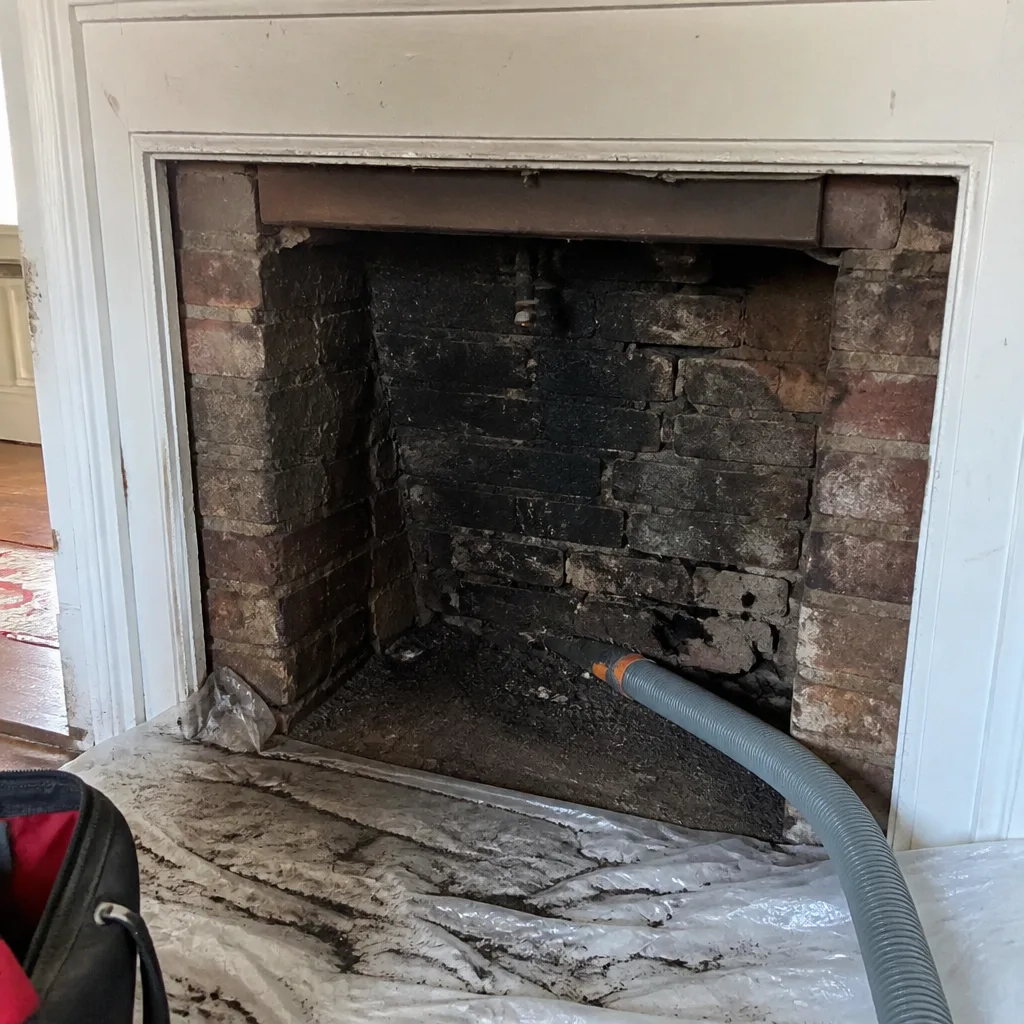 Before
 After
 Before
 After
Common Mistakes to Avoid
- Hiring on price alone. The cheapest sweep in the area will often brush the flue and leave without a camera inspection, which means the diagnostic part of the job never happens. If there’s no camera, ask what’s being checked and what isn’t.
- Assuming a visual check is enough. A firebox that looks clean says nothing about the liner. Creosote in the flue doesn’t show in the firebox, and a cracked liner isn’t visible from the room. A camera should be part of the process any time the appliance has changed or the fire has not been burning cleanly.
- Skipping the sweep when the fireplace isn’t used much. Low use still builds creosote because the fires that do happen tend to be cool and quick, which is exactly the burn that produces Stage 2 and 3 deposits. A chimney that’s only used for the occasional evening fire can be in worse condition than one burned hot every day.
- Forgetting to book the inspection after a gas conversion. An oil-to-gas conversion changes what the flue is venting and how much water vapor it carries. Without a Level 2 inspection, the liner may be deteriorating from acidic condensate with no visible sign until the damage is severe.
- Buying a cap from a hardware store. A generic cap often fits loosely and can come off in high wind, which leaves the flue open to rain, debris, and birds. A cap fitted to spec for the flue’s actual dimension, using a professional line like Famco or Gelco, stays where it’s put.
- Burning unseasoned wood to “make it last longer.” Green wood burns cool and produces more creosote. Dry, seasoned firewood burns hot and clean, which is the single best way to slow creosote buildup between cleanings.
- Ignoring a smoking fireplace in cold weather. A fireplace that smokes on cold mornings or windy days is usually telling you the flue is cold, the cap is restricting, or the smoke chamber needs attention. It’s a symptom worth checking, not a routine inconvenience to put up with.
When to Call a Professional
Some chimney work is not a homeowner job, and a few signs should trigger a call rather than a DIY attempt. Any time you smell a strong creosote odor in warm weather, hear a low roar or popping noise from the chimney, or see a glaze on the flue lining, call a professional. Any time the fireplace smokes persistently, won’t light, or smokes in windy weather, that’s a signal to inspect before burning again. Any time your chimney hasn’t been inspected since a major appliance change or a home purchase, a Level 2 inspection is the right first step. And a chimney with a cracked crown, a missing cap, or mortar spalling at the flue joints warrants an evaluation even if the fireplace works fine, because the damage is happening without the fire and may be affecting the appliance venting the furnace.
Chimney Sweep Kingsbridge offers free estimates in Kingsbridge. Call (866) 937-8901. We answer 24/7. Fast dispatch from 7am to 7pm, Sunday through Friday. Our team treats every visit as a diagnostic call, with findings explained before any work begins. For a broader view of what we cover, our main Chimney Sweep Kingsbridge page lays out the full service list.
Frequently Asked Questions
Chimney cleaning in Kingsbridge typically runs $150 to $300 for a standard sweep with a Level 1 inspection, and $250 to $450 when camera inspection or extra creosote removal is needed. The written estimate sets the final price. Call (866) 937-8901 for an exact quote; estimates are free.
Only if the existing liner is failing, and a camera inspection is the way to know. A sound flue with surface-level deterioration can often be restored with HeatShield ceramic resurfacing instead of a full replacement, and a flue with actual gaps or missing sections needs a DuraFlex liner sized for the appliance. If we can’t show you the evidence on camera, we don’t recommend the replacement. Call (866) 937-8901 to book an inspection.
Once a year for most wood-burning fireplaces, and more often if you burn frequently or notice sluggish draft. Homes with gas appliances should still have the flue inspected annually, especially after a conversion from oil. Call (866) 937-8901 to schedule your annual sweep.
Creosote builds, the stage climbs from flaky to glazed, and the flue’s fire risk rises with it. A glazed flue has less margin than a clean one, and a liner crack that went unnoticed can let combustion gases into the framing. Skipping a year doesn’t mean an immediate problem, but it does mean the next inspection is more likely to find one. Call (866) 937-8901 to get back on schedule.
Yes, because occasional fires often burn cool and produce more creosote per fire than hot, continuous burns do. An infrequently used fireplace can build Stage 2 deposits that a light user wouldn’t expect. Call (866) 937-8901 to book a sweep and we’ll tell you what stage we find.
A Level 1 covers the accessible portions only, with no camera; a Level 2 adds a full-flue camera inspection and is required after a change of appliance, a home sale, or a chimney fire. If your Kingsbridge home is rowhouse-attached or has an exterior chimney, the Level 2 is often the right call even when it’s not technically required, because the hidden sections are the ones that fail first. Call (866) 937-8901 to book the right level for your system.
The Bottom Line
Treat chimney cleaning as the diagnostic moment it actually is, and the annual sweep stops being a checkbox and starts being the reason your flue stays safe. The three stages of creosote tell you how the fire has been behaving. The Kingsbridge housing stock, from rowhouse party walls to exterior chimneys on detached colonials, shapes the draft and clearance issues you’ll actually face. Level 1 and Level 2 inspections aren’t interchangeable and the difference matters when the appliance or the fuel changes. A full-system specialist reads the cap, crown, liner, smoke chamber, and damper as one system, and oil-to-gas homes need the flue watched for acidic condensate even without wood-burning use. The cleaning is the entry point. The evidence is what protects the house.
Call (866) 937-8901 for a free estimate. We answer 24/7. Fast dispatch from 7am to 7pm, Sunday through Friday.
Written by the team at Chimney Sweep Kingsbridge.