
Last updated November 25, 2026
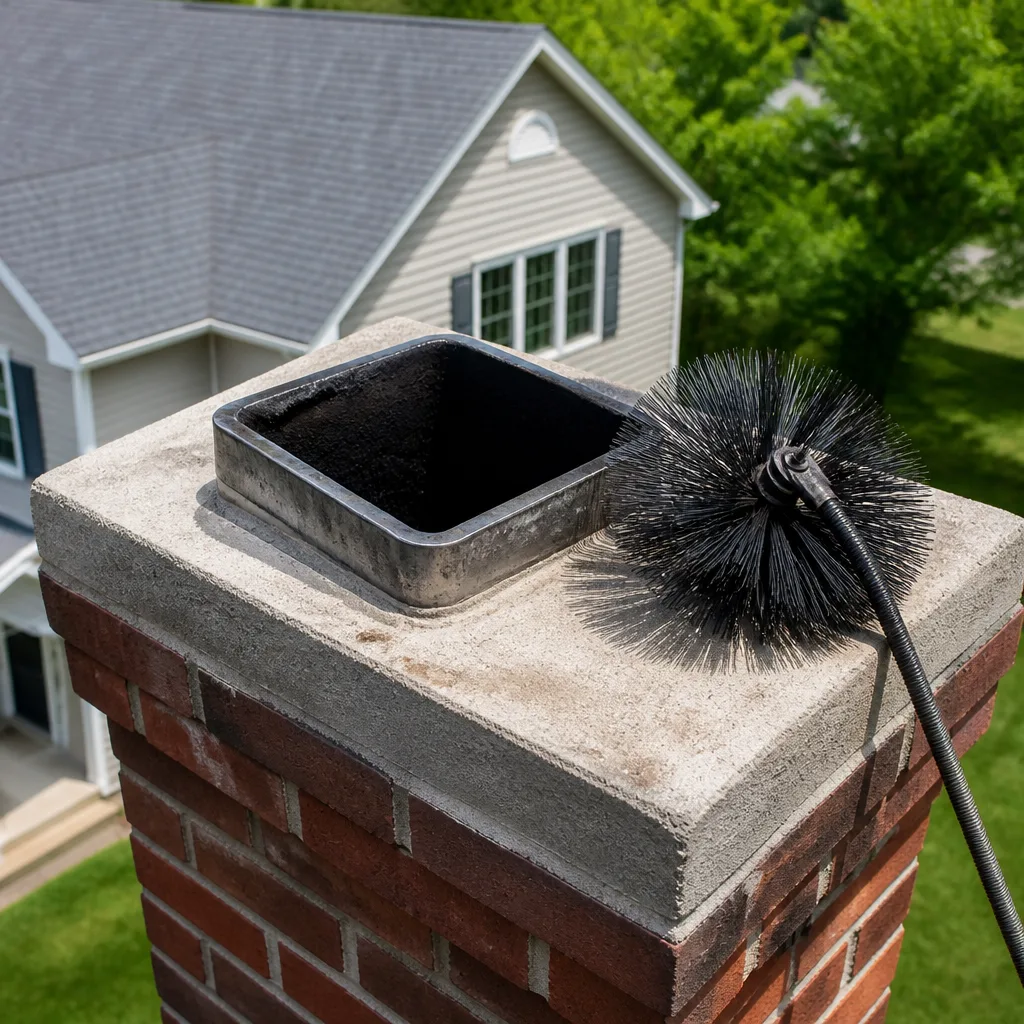 Sweep & inspection
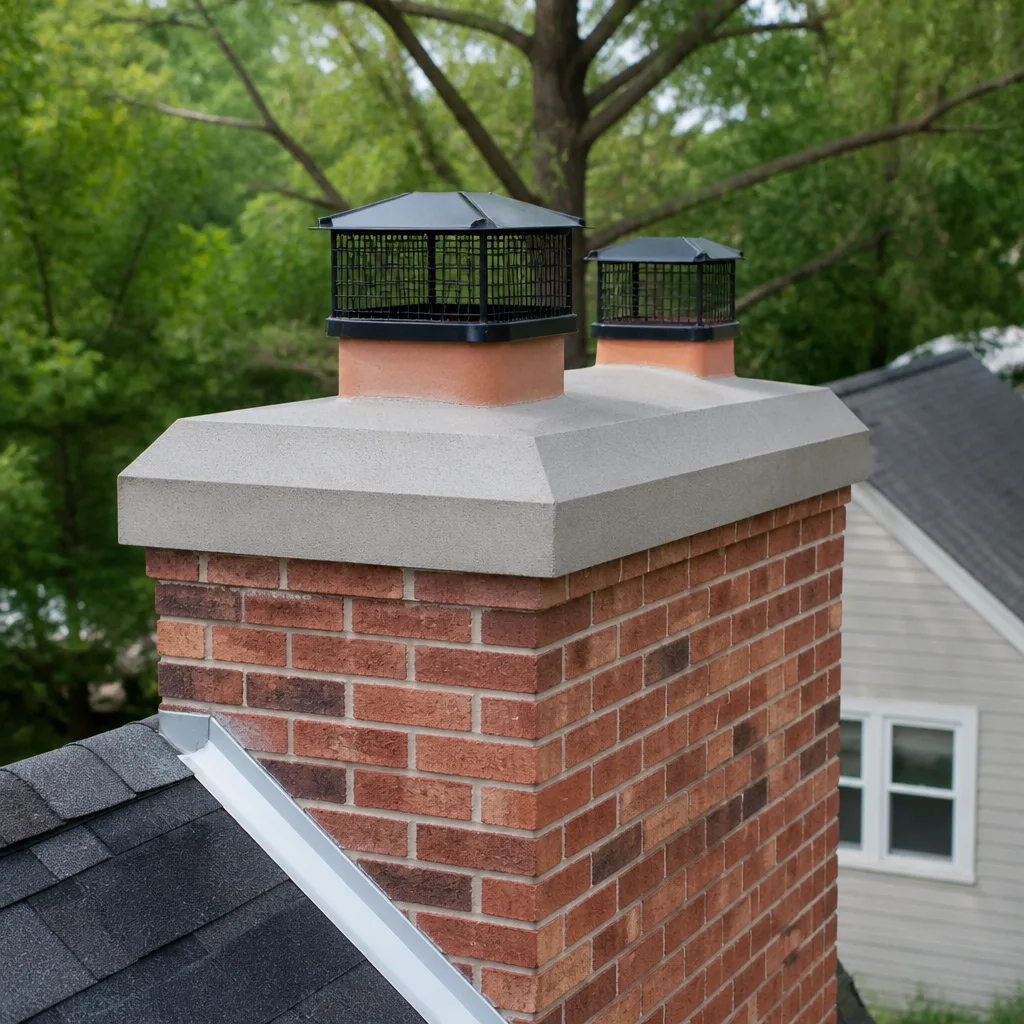 Caps & crowns
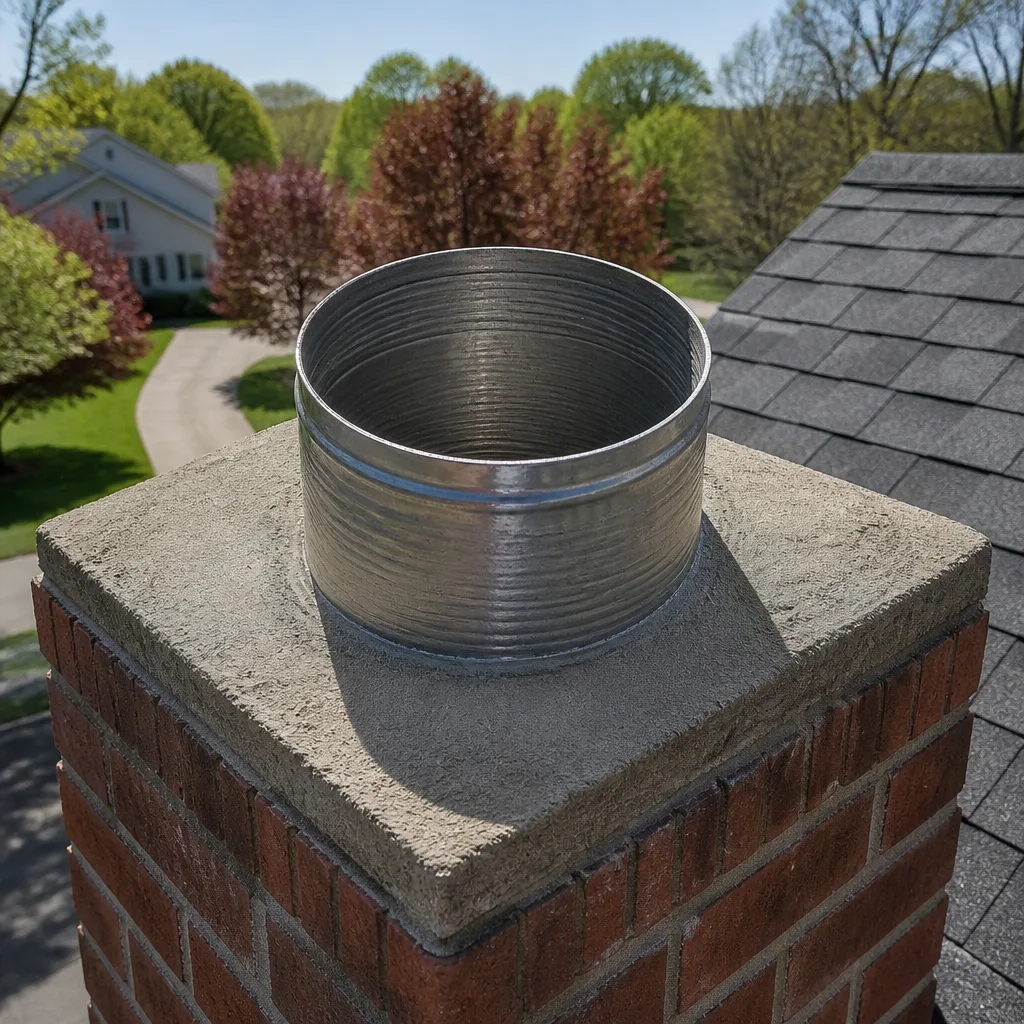 Flue relining
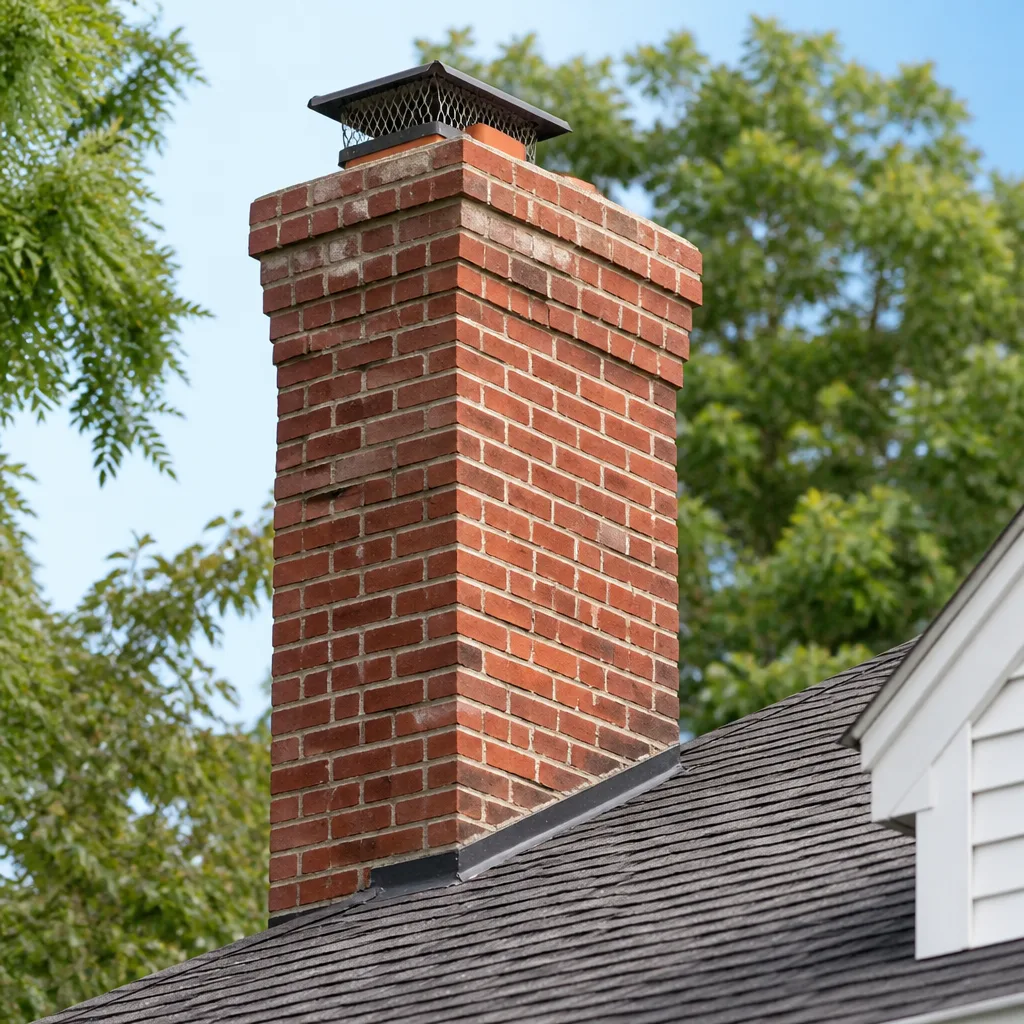 Masonry repair
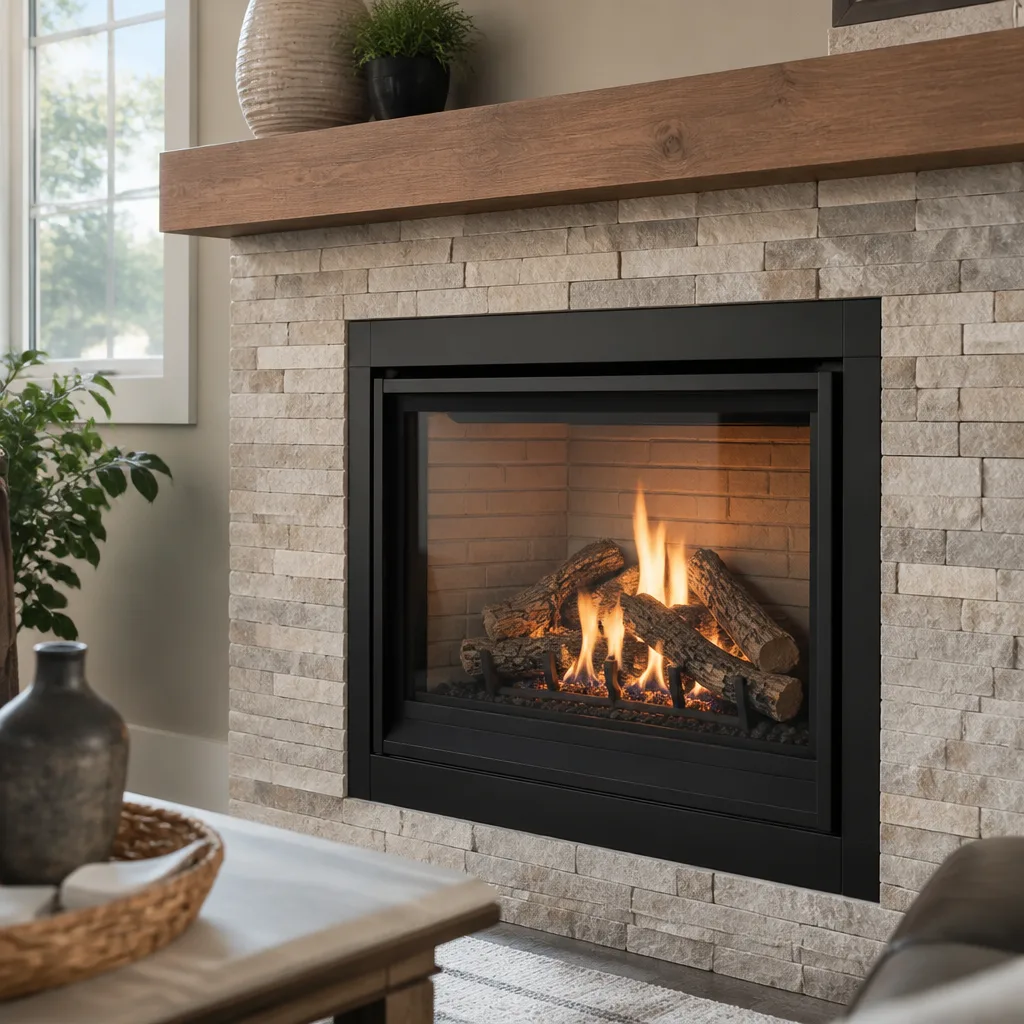 Gas fireplace service
Level 1 sweep and inspection to the NFPA 211 annual standard - flue, crown, cap, and flashing checked and photographed
Chimney sweep logs do not sweep chimneys. They loosen some creosote - which then falls where a brush and vacuum still have to collect it.
Choosing the Right Chimney Cleaning Brand: A Buyer’s Guide for Kingsbridge
Most Kingsbridge homeowners never ask what brand of liner system their contractor is installing. That means they have no way to check the product’s temperature rating, confirm it suits their fuel type, or verify the warranty actually applies to their installation. The company name on the truck gets all the attention; the materials inside the flue get none. This guide flips that. We’ll walk through the product categories that actually matter in a chimney system, explain what “professional-grade” means in measurable terms, and give you a set of questions to ask before any work begins. You’ll finish knowing how to judge what’s going into your chimney, not just who’s putting it there.
Quick Answer
The right chimney materials brand is the one whose product matches your fuel type, carries a UL listing for that specific application, and comes with warranty documentation in writing. In practice that means professional-trade lines from suppliers like HeatShield, DuraFlex, Olympia Chimney and Gelco, installed to the manufacturer’s spec. Brand names matter less than three things: what the spec sheet says, whether the installer follows it, and whether you get the paperwork that proves it.
Styles & brands we work with
- Sweep & inspection
- Caps & crowns
- Flue relining
- Masonry repair
- Gas fireplace service
Table of Contents
- Why the brand of materials matters more than most homeowners think
- The five product categories that make up a chimney system
- What “professional-grade” actually means for a liner
- Why supplier choice signals installation quality
- Seven questions to ask a contractor about materials
- How material quality and labor quality interact
- What Kingsbridge homeowners should know about their climate and housing stock
- Reading the spec sheet and warranty documents
Why the brand of materials matters more than most homeowners think
A chimney liner is a safety component, and the brand behind it determines what it can actually handle. A flexible liner rated for a wood-burning appliance at high flue temperatures is not the same product as one rated for a gas appliance running cooler. The temperature rating, the alloy, the wall thickness, and the UL listing all tie back to a specific manufacturer’s tested design. When a contractor substitutes a generic material, or uses a product outside its listed application, the safety margin you paid for quietly disappears.
In our experience, the gap between suppliers is widest in flexible liner systems. Two liners can look identical on a coil. One carries a documented temperature rating and a UL listing for the fuel type in your home. The other is an unmarked remnant from a distributor’s stockroom, with no spec sheet and no warranty path. Both get called “stainless liner” on an estimate. Only one of them is the product you actually wanted.
This is the part of chimney work that stays hidden. You can’t inspect a liner after it’s installed without a camera, and most homeowners never see the material before it goes in. That’s exactly why the brand question matters: it’s your only verifiable signal about what’s inside the flue five years from now.
Kingsbridge has a real mix of housing stock, from older wood-burning fireplaces in the established neighborhoods to newer gas appliances, and each one asks something different of its liner. The material has to match the appliance, not the other way around.
The five product categories that make up a chimney system
Chimney work isn’t one product. It’s a stack of them, and brand quality varies differently in each. When you understand the categories, you can ask sharper questions about each one.
- Flexible liner systems. The stainless flue liner that carries exhaust from the appliance to the top. This is the biggest safety component and where professional-grade versus big-box matters most. DuraFlex flexible liner systems are the kind of product a specialist installs in-house for relining work.
- Rigid liner sections. Straight lengths used where the flue run allows, often for straighter chimneys or certain appliance configurations. The same gauge and listing questions apply as with flexible, and the two are sometimes combined in one system.
- Smoke chamber parging compounds. The refractory material applied to the smoke chamber above the damper. HeatShield ceramic resurfacing is the industry benchmark for restoring a deteriorated flue liner or smoke chamber without full replacement, and it’s a very different material from a hardware-store mortar patch.
- Chimney crowns and sealants. The crown is the concrete cap at the top that sheds water away from the flue. A crown built from a proper mix, sealed with a product designed for chimney exposure, protects the whole structure below it. Generic caulk doesn’t hold up.
- Stainless caps. The top-of-flue cap that keeps rain, animals and debris out. Gelco and Famco cap products are fitted to the flue’s actual dimensions, not to a “close enough” hardware-store size. A loose-fitting cap lets water in around the edges.
Each category has its own brand landscape, its own rating system and its own failure modes. The right question isn’t “which brand do you use” in the abstract; it’s “which product for which part of my chimney, and why.”
What “professional-grade” actually means for a liner
“Professional-grade” gets thrown around on every estimate. Here’s what it should mean in measurable terms, and what to look for when you’re evaluating a liner proposal for your Kingsbridge home.
- Gauge thickness. Stainless liners are specified by wall thickness, not by how shiny the metal looks. Thicker is not always better for every application, but the material should match the manufacturer’s specification for your appliance type. Ask what gauge is specified and why.
- Temperature rating. The liner must be rated for the flue temperatures your appliance produces. A wood-burning fireplace runs hotter than a gas insert, and the liner should be listed for the actual service. This is where a generic product usually falls short.
- UL listing. The product should be listed for the specific application, and the listing should be documented. A professional-trade line has this paperwork; a bargain-bin liner often doesn’t.
- Warranty terms. Manufacturer warranties vary. Some cover the material only; some tie coverage to installation by a qualified installer. Ask what the warranty covers and what voids it, and get the terms in writing before the work starts.
- Fuel-type suitability. A liner rated for gas isn’t automatically rated for wood, and vice versa. The product has to match how you actually use the chimney.
When we talk about working with professional-grade materials, this is the substance behind it: brands like DuraFlex and HeatShield are specified, listed, and documented, which means every one of the five points above can be answered in writing. That’s the difference between a material commitment and a marketing line.
Why supplier choice signals installation quality
A contractor’s supplier relationship tells you something. When a company sources from a curated roster of professional-trade brands, it’s a commitment to a chain of accountability that runs from the manufacturer through the installer to your home. The material comes with a spec sheet, the spec sheet comes with installation requirements, and the installer is expected to meet them.
Compare that with a contractor who buys whatever’s cheapest from a general distributor or a home-improvement store. The material may look fine. But there’s no manufacturer-backed installation standard to follow, no warranty path to lean on, and no one who can tell you what the product was actually tested to do. That gap between supply-chain access and generalist sourcing is real, and it shows up years later.
Chimney Sweep Kingsbridge works with professional-trade product lines including DuraFlex, HeatShield, Gelco, Olympia Chimney, Famco and Copperfield, and the point isn’t the names on the list. It’s that each of them gives a technician a specification to build to. When the brand, the spec and the installation standard line up, the finished system can be documented, and that’s what you want behind a liner.
Supplier choice also affects who does the work. A company that carries the full material range can handle inspection, cleaning, cap and crown work, liner repair and fireplace repair under one roof. You’re not sourcing a separate contractor for each problem, and the same team that diagnoses the issue can install the fix.
Seven questions to ask a contractor about materials
You don’t need to become a chimney expert to protect yourself. You need the right questions and a contractor who answers them without hesitation. Here’s the list, tuned for what actually matters in Kingsbridge homes.
- What brand and product will you install, specifically? Not “a stainless liner.” A brand name and a product line.
- Can I see the product spec sheet before the work starts? A professional-grade product has one. If it doesn’t, that’s the answer.
- What’s the UL listing for this application? The listing should match your appliance type and flue configuration.
- What’s the temperature rating, and how does it match my fuel type? Wood and gas ask different things of a liner.
- What does the warranty cover, and what voids it? Get it in writing, tied to the installation, not just the material.
- Who installs it, and to what standard? The same technician who diagnoses the problem should be able to install the solution, with no handoff gaps.
- What does the camera show, and can I see it before you recommend anything? The recommendation should follow the evidence, not the other way around.
If the answers come back vague on any of the first five, pause. Those are the questions a professional is comfortable answering, because the products they use come with documentation. When you’re ready to book a chimney sweep, those same questions work as an opening conversation about what a sweep and inspection will cover.
How material quality and labor quality interact
The best liner installed poorly fails faster than a mid-grade liner installed correctly. This is the single most underrated point in chimney work, and it deserves its own section. Materials and labor aren’t two separate purchases. They’re one system, and the weaker of the two sets the life of the installation.
A flexible liner has to be sized to the flue, supported along its length, connected with the right components, and terminated correctly at the top and bottom. Miss any one of those and even a supplied, listed product can underperform. Conversely, a professional-trade material installed to spec usually outlasts a premium product that was rushed, mismatched, or connected with the wrong fittings. That’s why a contractor who talks only about the brand and not about installation standards is giving you half the picture.
What to ask about installation quality:
- How will the liner be supported along its run?
- What’s the connection detail at the appliance and at the top?
- How is the flue sized for this appliance and this product?
- Will the installation be documented, and will I get the paperwork?
Installation standards are where a professional-trade supplier’s spec sheet does double duty. The manufacturer specifies how the product should be installed, and the installer either builds to that or doesn’t. That’s the checkable link between a brand commitment and a job that lasts.
What Kingsbridge homeowners should know about their climate and housing stock
Kingsbridge homes ask specific things of their chimney systems, and the material choices follow from the local conditions. Winters here are cold enough that fireplaces and heating appliances run hard through the season, which means the flue sees regular thermal cycling. That cycling works on liners, seals and crowns over time, and it’s a reason to check the product’s rating rather than assume any stainless liner is fine.
The local housing stock adds its own wrinkles. Older fireplaces in established neighborhoods often have flue configurations that were built for wood and were never updated for a later gas insert or appliance. When the appliance changes and the liner doesn’t, you get a mismatch. A gas appliance on a liner not listed for gas, or a wood appliance on a liner sized for the original setup, is the kind of problem a camera inspection tends to find. The liner materials question and the fuel-type question are the same question in Kingsbridge.
Homeowners here also tend to stay in their homes and want the work to last. That fits a buyer’s-guide mindset: you’re not looking for the cheapest annual sweep, you’re looking for materials and installation you won’t have to revisit. In our experience, the homeowners who ask about product brands before the work starts are the ones who end up with systems they can document years later. That’s the approach we take on every call, and it’s why the inspection comes first. A Chimney Sweep Kingsbridge visit starts with a camera and a photo report, so the recommendation follows what’s actually in the flue.
Reading the spec sheet and warranty documents
Paperwork is how you verify a brand claim after the technician leaves. The spec sheet and warranty are the two documents worth collecting on any liner or structural material job, and they say more about a product than any sales pitch.
On the spec sheet, look for the product name and line, the application and fuel type, the temperature rating, the gauge or wall thickness, and the UL listing. If any of those is missing, ask why. A professional-grade product answers all five without a phone call to the manufacturer.
On the warranty, look at what’s covered, how long coverage runs, and what conditions apply. Installation by a qualified professional is often a condition, which is one more reason the labor and material questions belong together. Get the terms tied to your specific installation, not a generic brochure, and keep the paperwork with your home records.
Documentation is also how you answer the objection most homeowners carry into a chimney repair conversation: being told you need thousands of dollars of liner or masonry work you have no way to verify. Our answer is straightforward. Nothing gets recommended without camera evidence you can see for yourself, and we tell you plainly when work can safely wait. When work is needed, the spec sheet and warranty are part of what you receive, so the recommendation is checkable against the product.
Common Mistakes to Avoid
- Accepting “stainless liner” as an answer. It’s a category, not a product. Ask for the brand, the line and the spec sheet. A vague answer on the material is the first sign the paperwork won’t be there either.
- Judging the liner by the company name on the truck. The contractor’s reputation matters, but the product inside the flue is what protects your home. The two have to line up.
- Skipping the fuel-type question. Kingsbridge homes often run gas and wood appliances on different setups, and a liner listed for one may not be listed for the other. Mismatched fuel type is a safety issue, not a preference.
- Letting the cap get fitted “close enough.” A hardware-store cap that doesn’t fit the flue lets water in around the edges. Gelco and Famco caps are fitted to the flue’s dimensions, and that fit is the point.
- Treating the crown as a cosmetic detail. The crown sheds water away from the whole structure. A properly built and sealed crown protects everything below it, and a patch job doesn’t.
- Not asking what void the warranty. Manufacturer warranties often depend on installation to spec. If the installation doesn’t match, the warranty may not apply when you need it.
- Skipping the camera and buying the sales pitch. In Kingsbridge, a recommendation without camera evidence is a recommendation you can’t verify. Ask to see the photo report before any work is booked.
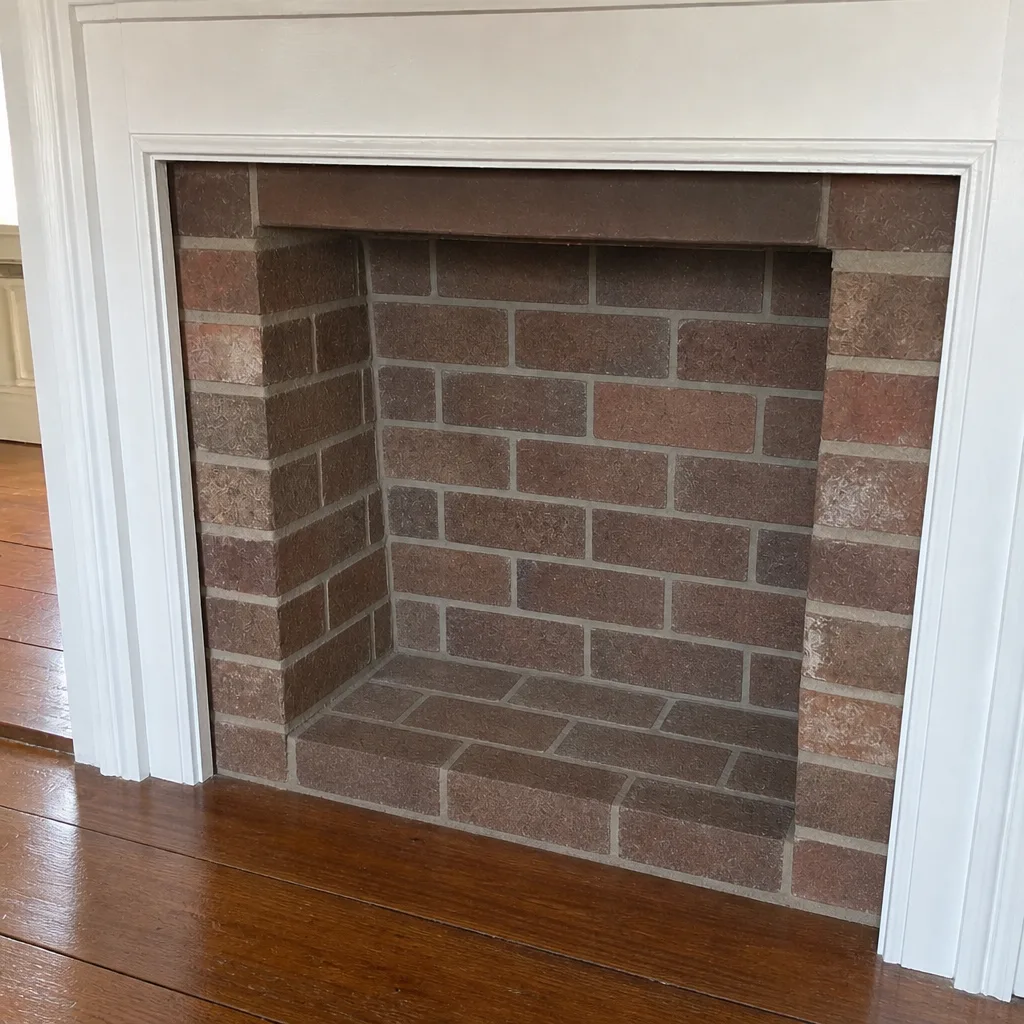
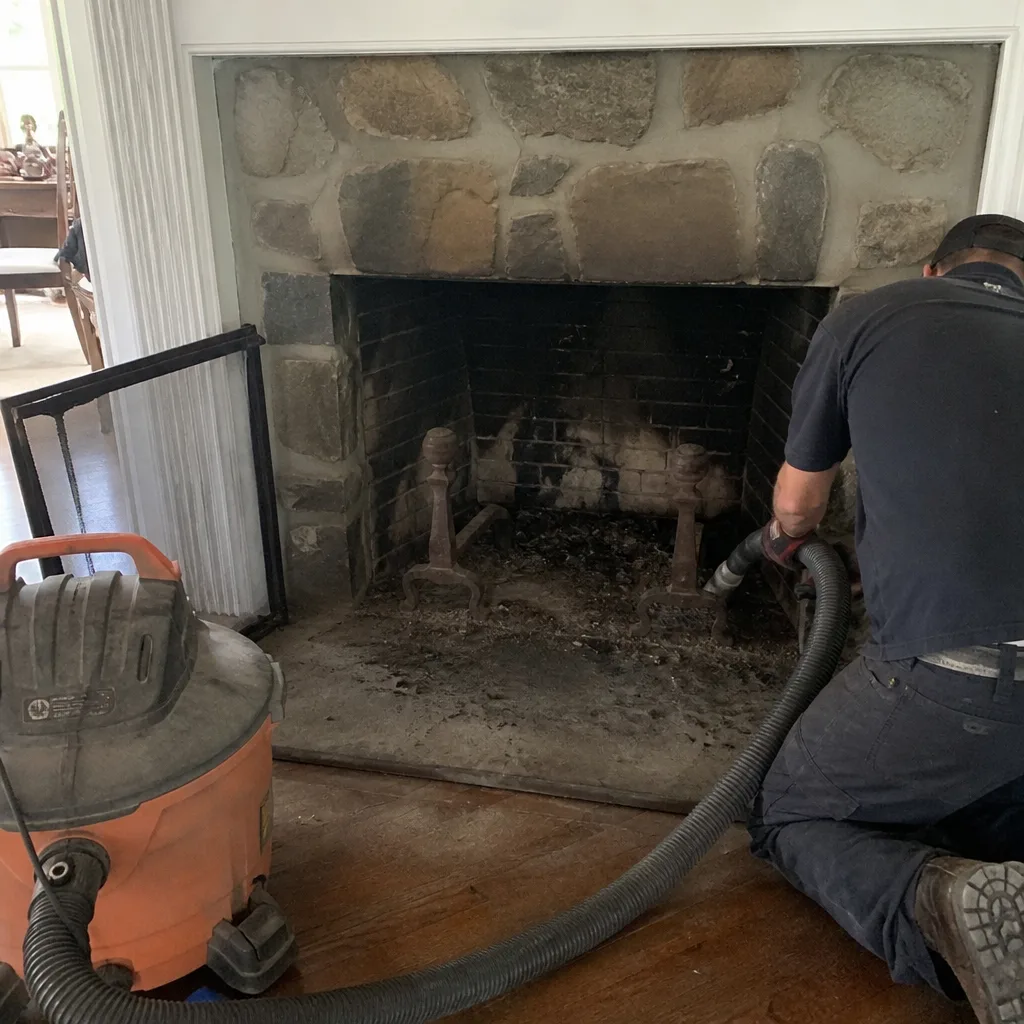
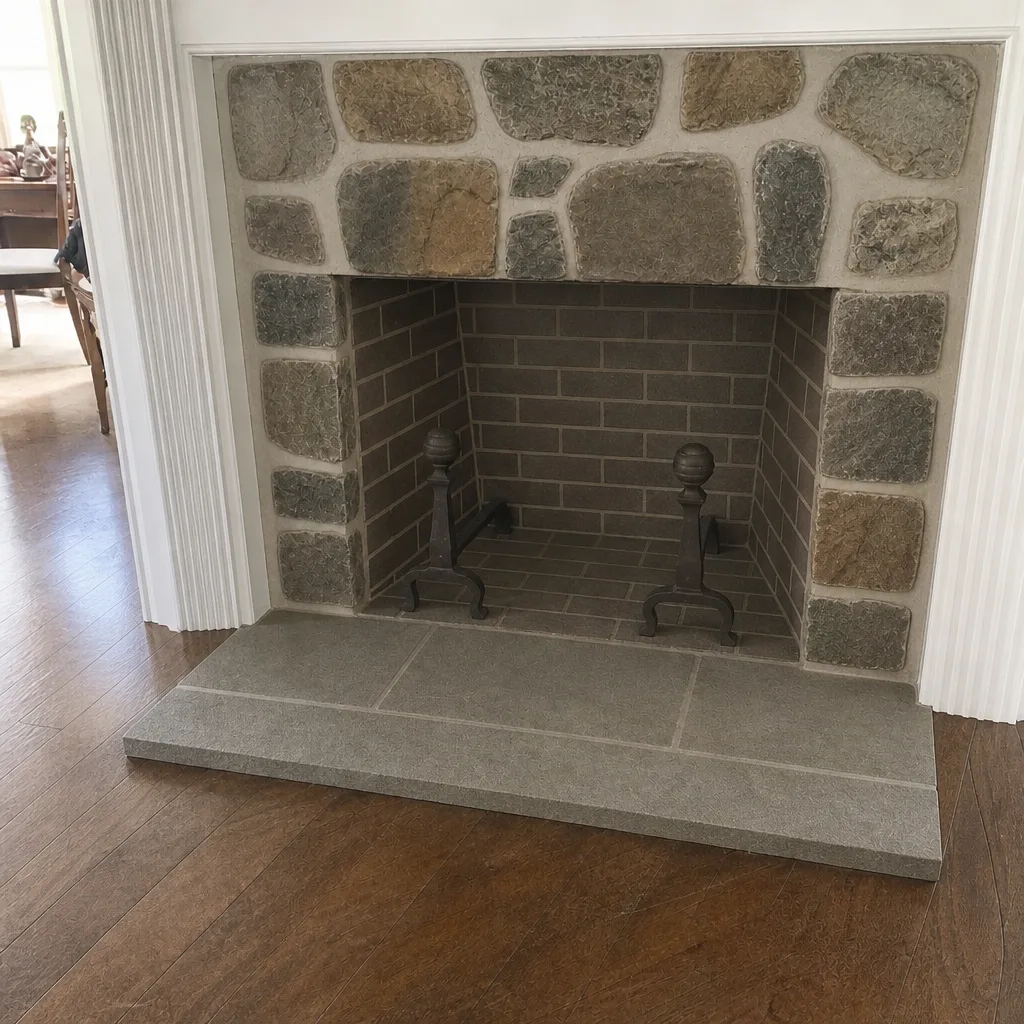
See the difference
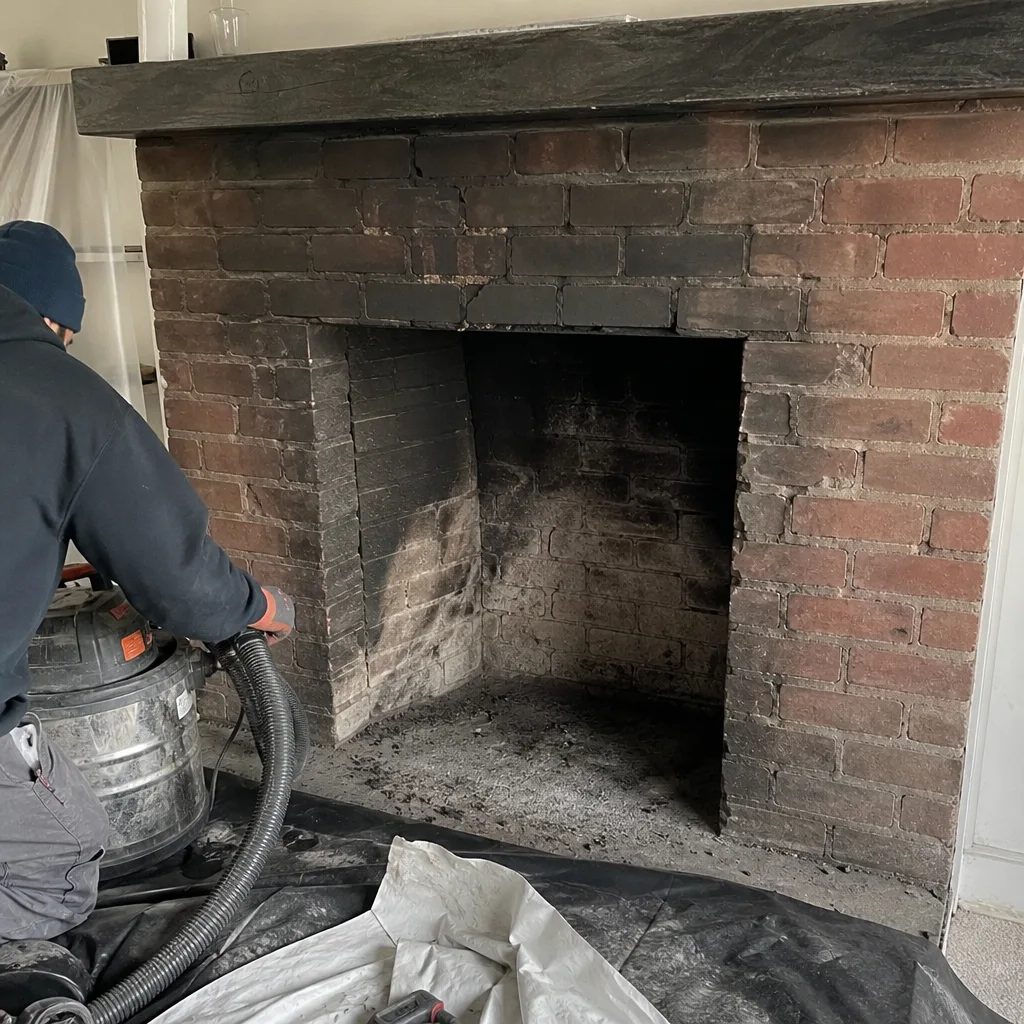 Before
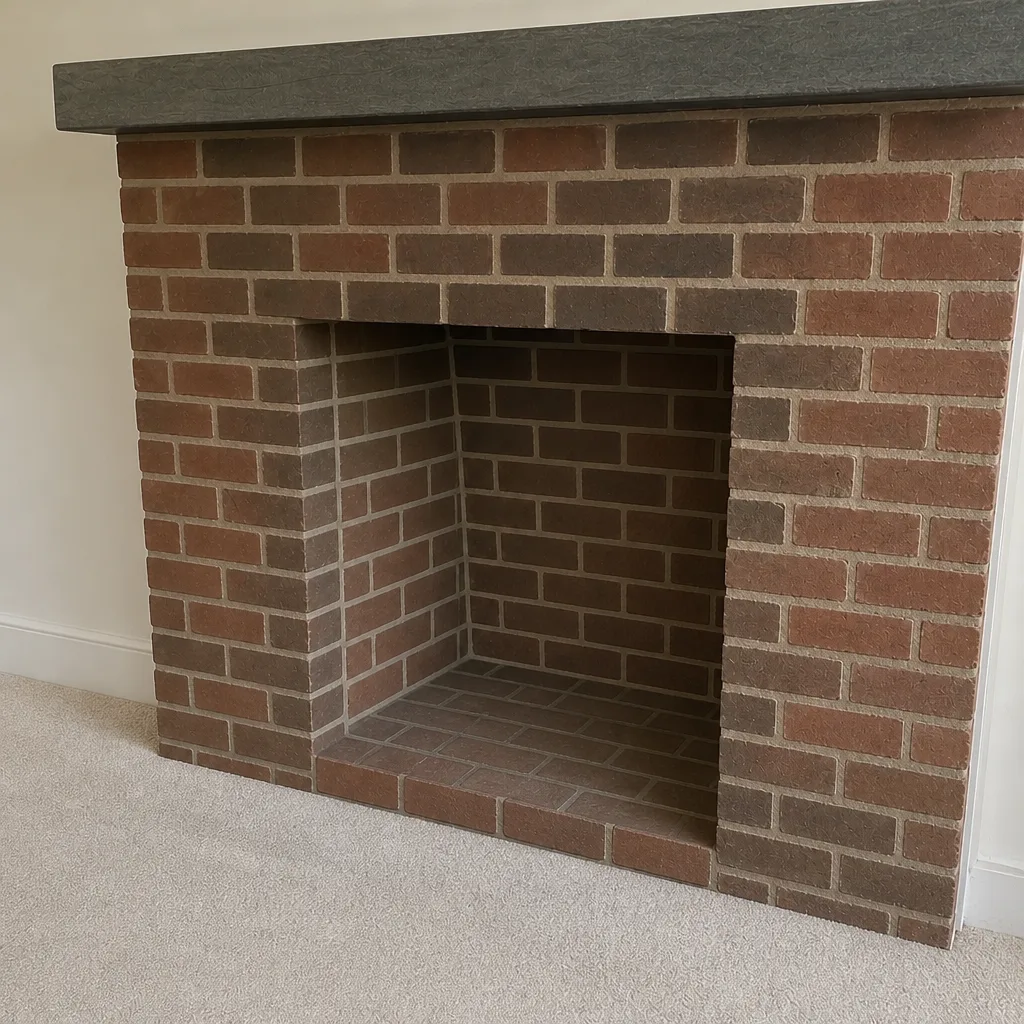 After
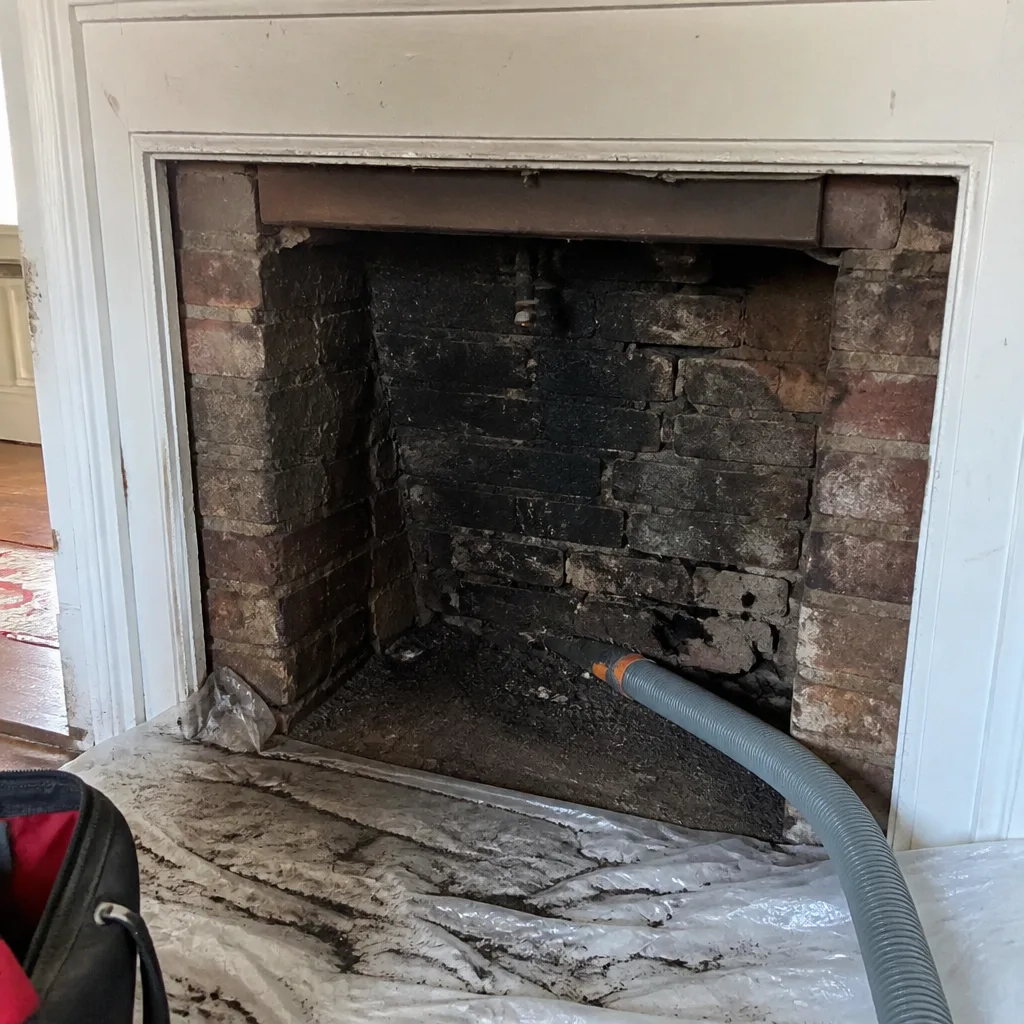 Before
 After
 Before
 After
When to Call a Professional
Some chimney issues are for a camera and a trained eye, not a ladder and a flashlight. Call a professional when you notice a strong creosote smell or a draft that pushes smoke back into the room, when you’ve had a chimney fire even if it seemed to go out on its own, when there’s visible staining on the masonry or ceiling near the chimney, or when you’re changing the appliance and need to know whether the existing liner matches. Any of those is a reason to book an inspection rather than guess. Chimney fire and carbon monoxide risk are real, and they’re the reason a liner question is a safety question. Chimney Sweep Kingsbridge offers free estimates in Kingsbridge. Call (866) 937-8901. We answer 24/7. Fast dispatch from 7am to 7pm, Sunday through Friday. The estimate is free, and nothing is recommended without camera evidence you can see.
Frequently Asked Questions
We work with professional-trade product lines including DuraFlex, HeatShield, Gelco, Olympia Chimney, Famco and Copperfield, and each one covers a different part of the system. DuraFlex is the flexible liner line, HeatShield is the ceramic resurfacing system for restoring flue liners, and Gelco and Famco are the cap products we fit to spec. The reason for a curated roster is that each product comes with a specification we can build to and document. Call (866) 937-8901 for an exact quote on your chimney, and the estimate is free.
Yes, because the brand is what supplies the temperature rating, the UL listing and the warranty path. A well-installed generic liner can still fall short if it isn’t listed for your fuel type or your flue temperatures. The material and the labor work together, and the weaker of the two sets the life of the installation. Ask for the spec sheet before the work starts, and check that the listing matches your appliance. Call (866) 937-8901 for an exact quote, and the estimate is free.
Ask for four things: the brand and product line, the spec sheet, the UL listing for the application, and the warranty terms. A professional-grade product answers all four in writing, and a professional contractor will hand them over without being pushed. If any of the four is missing or vague, treat that as your answer about the product. You can also check the product against the fuel type of your appliance, which is where mismatches usually show up. Call (866) 937-8901 to talk through what your chimney needs.
Caps and crowns are the first line of defense against water, and fit is the whole point. A stainless cap from a supplier like Gelco or Famco is sized to the flue’s actual dimensions, so it sits correctly and sheds water away rather than letting it in around the edges. The crown is the concrete top that directs water away from the structure, and a proper mix sealed for chimney exposure lasts; a patch doesn’t. Both are cheap compared with the repairs they prevent. Call (866) 937-8901 for an exact quote, and the estimate is free.
Often yes, because all the material comes from the same curated supplier roster. We carry the full range of chimney and fireplace work, so inspection, liner repair, chimney cap & crown work and fireplace repair can be handled under one roof, with no handoff gaps between a diagnosis and the fix. The exact sequence depends on what the camera shows and what the written estimate covers. Call (866) 937-8901 to book an inspection, and we’ll tell you what to expect before any work is scheduled.
Ask to see the camera footage and the photo report before you agree to anything. A liner recommendation should be supported by what’s actually in the flue, and you should be able to see it yourself. In our experience, some liner and masonry recommendations can wait, and we tell you plainly when that’s the case. Nothing gets recommended without camera evidence. If the work is needed, you’ll get the spec sheet and warranty terms with the estimate. Call (866) 937-8901 for a free estimate, and the price is set per job by the written estimate.
The Bottom Line
The brand of materials in your chimney is not a minor detail. It sets the temperature rating, the UL listing, the warranty path and the installation standard that decide whether the work lasts years or decades. In Kingsbridge, with hard winters and a mix of older fireplaces and newer appliances, the material has to match the fuel type and the flue, and the installation has to match the spec. Ask for the brand, the spec sheet, the listing and the warranty before work begins. Then ask what the camera shows, and make sure you can see it. That’s how you judge what’s going into your chimney, not just who’s putting it there.
If you’re ready to look at your own system, we handle inspection, cleaning, liner repair, chimney repair and cap and crown work across Kingsbridge. Call (866) 937-8901 for a free estimate. We answer 24/7. Fast dispatch from 7am to 7pm, Sunday through Friday. The estimate is free, and nothing is recommended without camera evidence you can see for yourself.
Written by the team at Chimney Sweep Kingsbridge.