
Last updated November 25, 2026
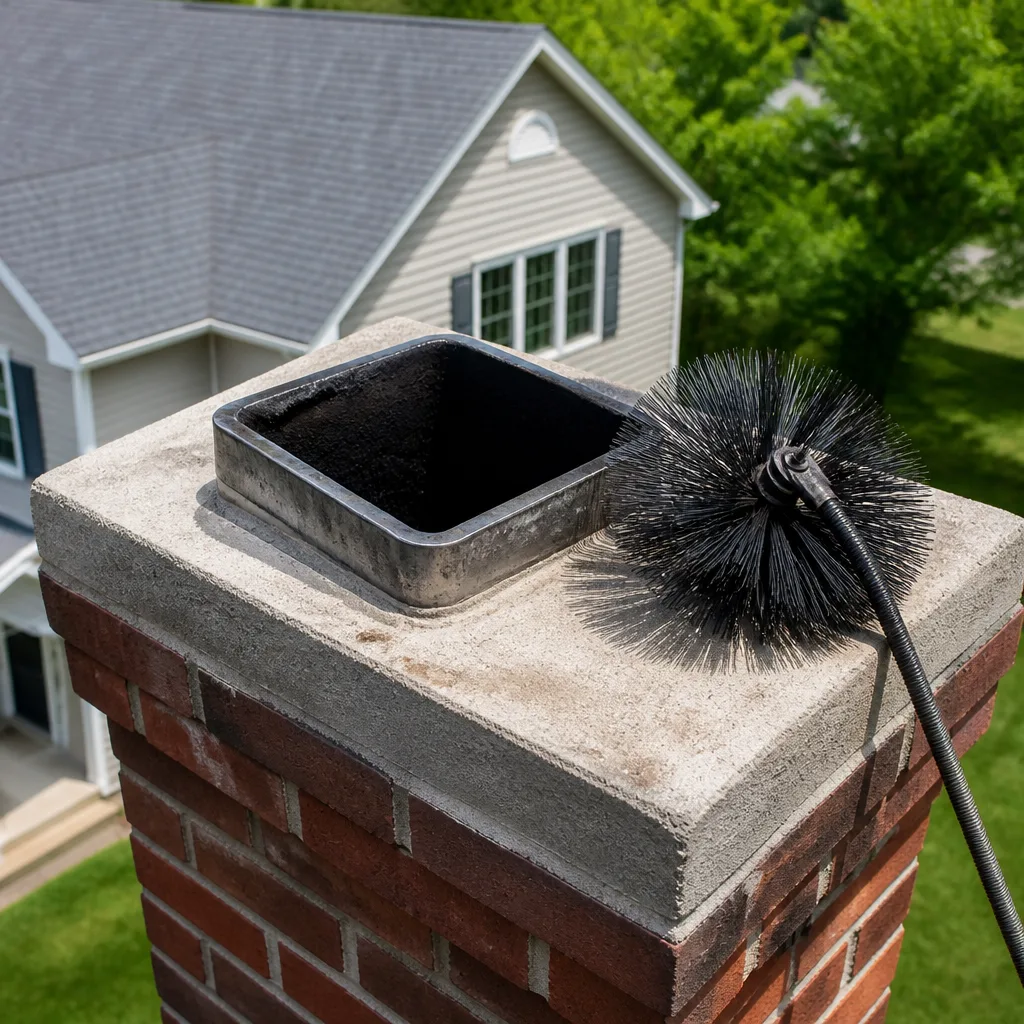 Sweep & inspection
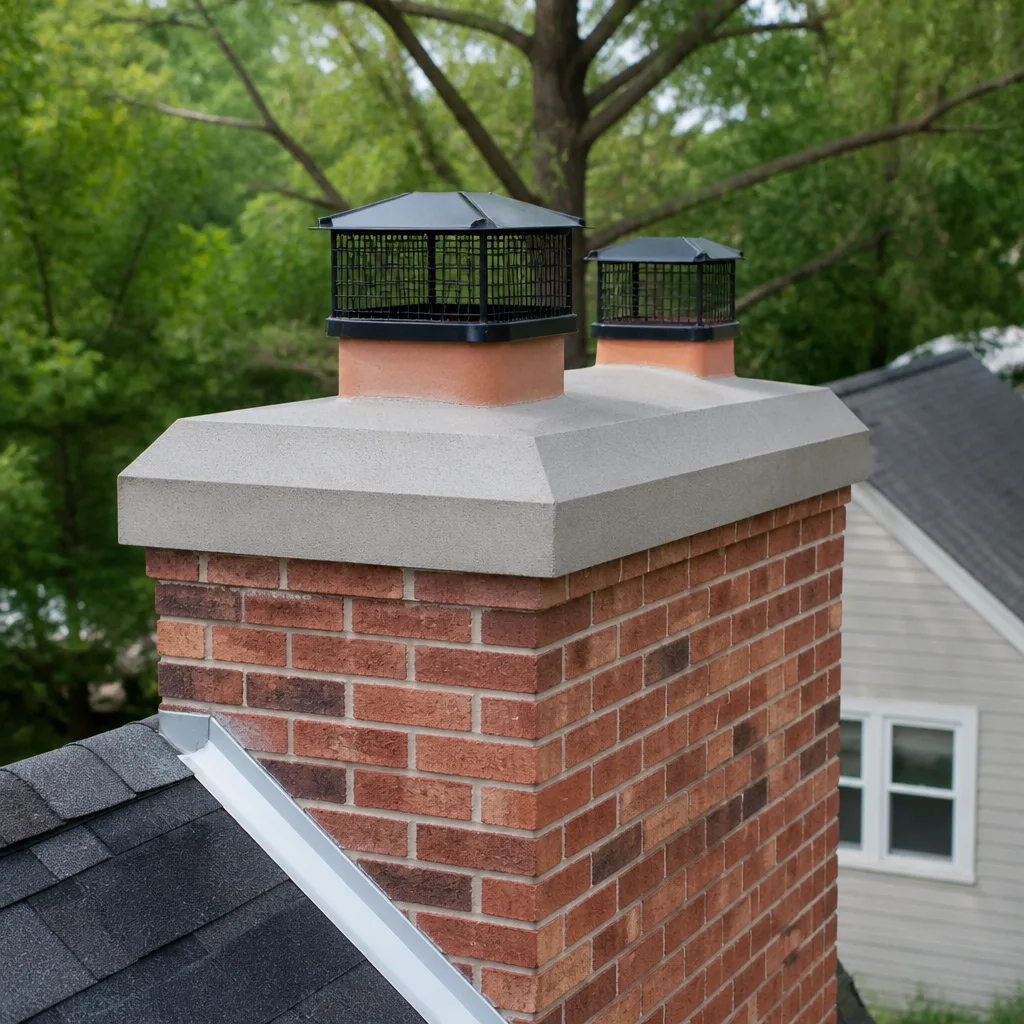 Caps & crowns
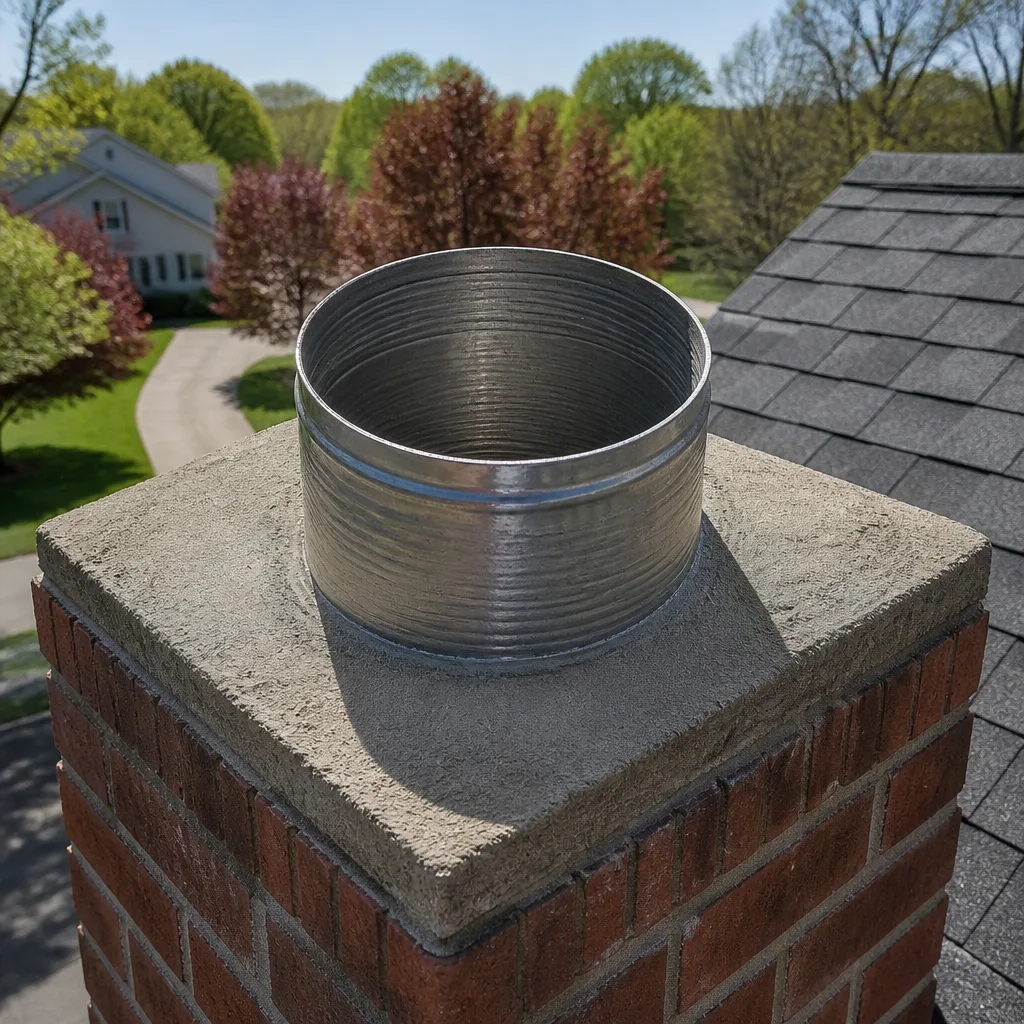 Flue relining
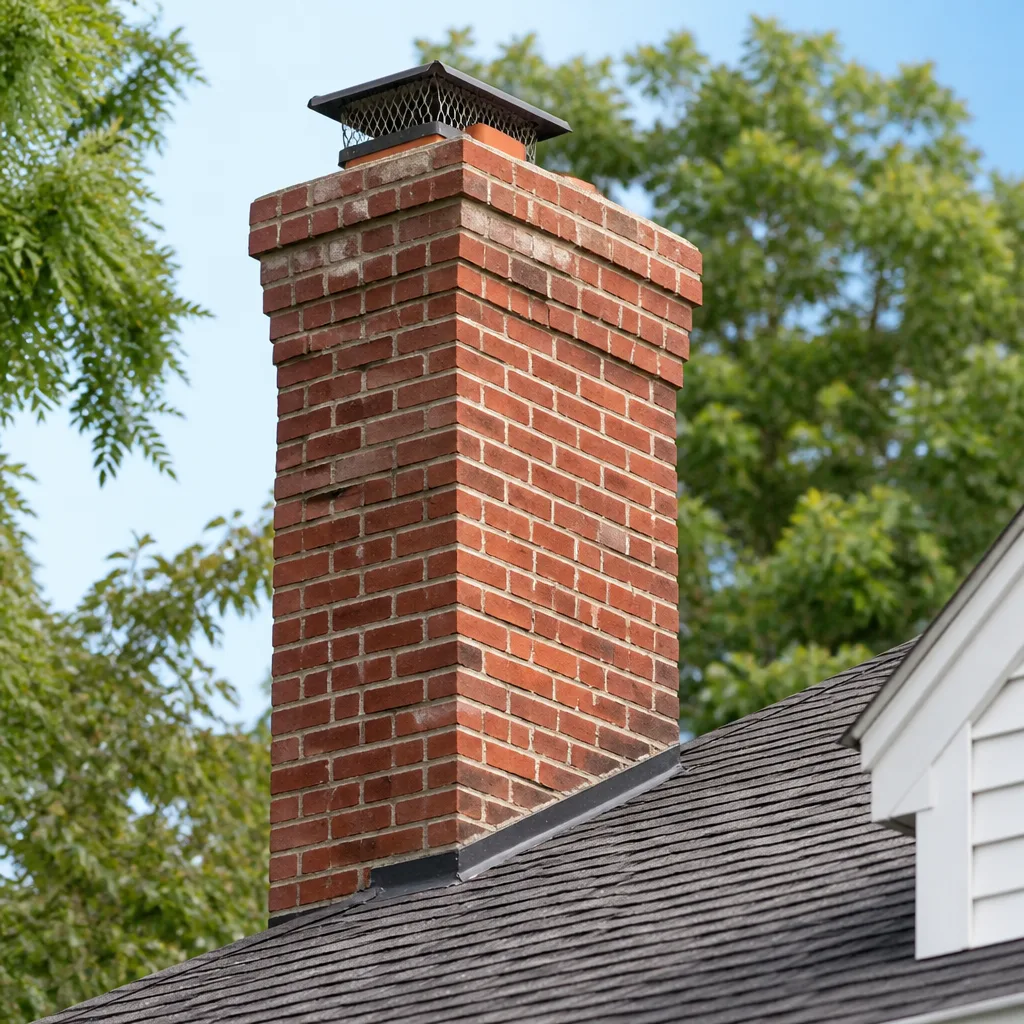 Masonry repair
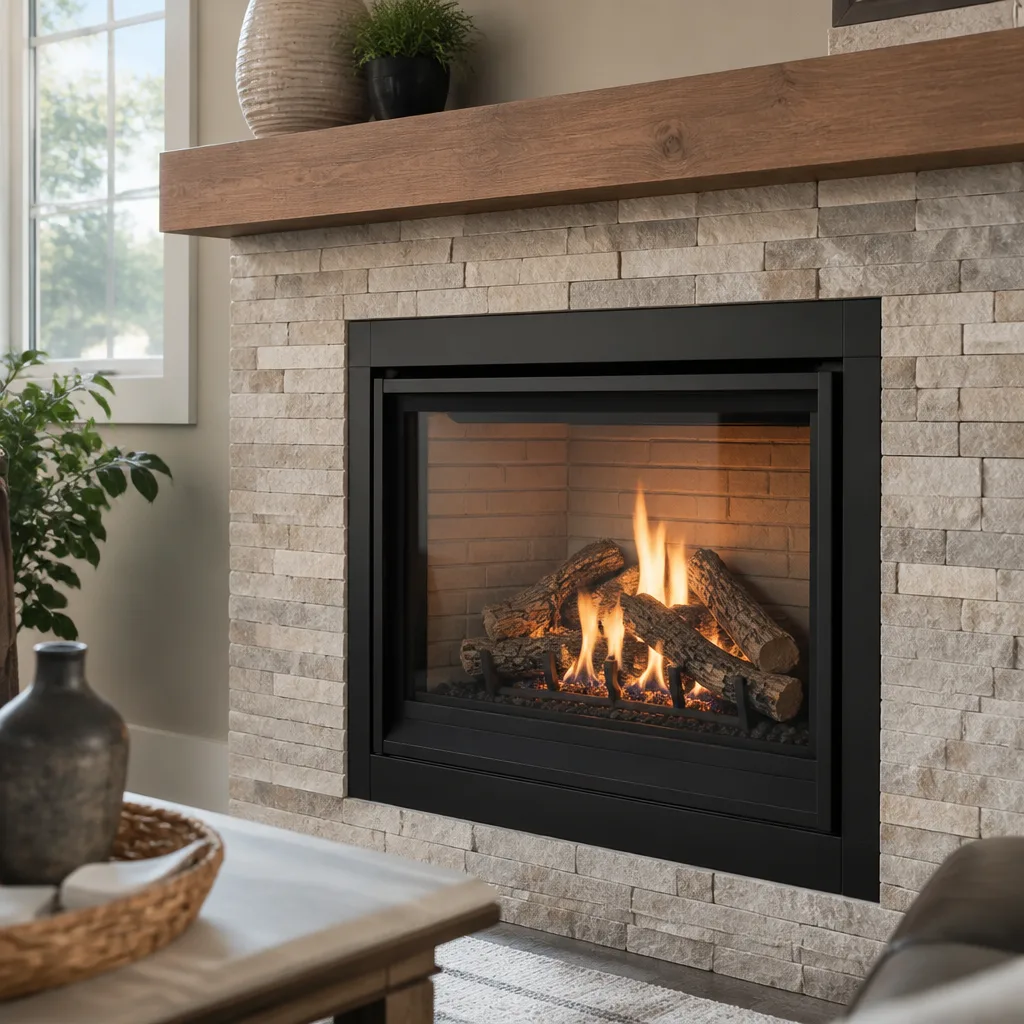 Gas fireplace service
Level 1 sweep and inspection to the NFPA 211 annual standard - flue, crown, cap, and flashing checked and photographed
Chimney sweep logs do not sweep chimneys. They loosen some creosote - which then falls where a brush and vacuum still have to collect it.
Seasonal Chimney Cleaning Care for Kingsbridge: Year-Round Homeowner’s Guide
Most homeowners in Kingsbridge book a chimney sweep in October, breathe a sigh of relief when the technician leaves, and don’t think about the flue again until the first cold snap. That schedule feels sensible. It’s also backwards. The heaviest damage to a Kingsbridge chimney usually happens in spring, when the freeze-thaw cycle lets go and water that worked its way into crown cracks all winter finally shows itself as spalled brick, loose mortar, and a brown ring on the ceiling below the roofline. By the time you notice it, the problem is months old, not weeks. This guide walks through what each season actually does to masonry, liners, caps, and flue joints, and how to match your inspection and cleaning schedule to that rhythm.
Quick Answer
Chimney care in Kingsbridge should follow a four-season cycle, not a single autumn sweep. Spring is when you inspect for winter water damage, summer is when creosote bakes into its hardest and most flammable stage, fall is when you clean and cap ahead of burning season, and winter is when draft pressure and freeze-thaw cycles test every joint in the system. The best window to book a cleaning and inspection in Kingsbridge is late August through October, before the November backlog hits and inspection quality suffers.
Styles & brands we work with
- Sweep & inspection
- Caps & crowns
- Flue relining
- Masonry repair
- Gas fireplace service
Table of Contents
- Why Spring Is the Most Damaging Season for Kingsbridge Chimneys
- What Summer Heat Does to Creosote and Gas Appliances
- Why Fall Is the Right Time to Book in Kingsbridge
- How Winter Pressure and Freeze-Thaw Test the Whole System
- A Post-Winter Inspection Checklist for Kingsbridge Homes
- Same House, Three Appliances: Wood, Gas, and Oil Flues
- Building a Year-Round Kingsbridge Chimney Calendar
- Common Mistakes to Avoid
Why Spring Is the Most Damaging Season for Kingsbridge Chimneys
Spring gets blamed for very little and causes most of the visible damage. Here’s the mechanism. All winter, a chimney in Kingsbridge sits above a heated house while the outside air drops below freezing and climbs back above it, often several times in a single week. Anywhere the crown has a hairline crack, or a mortar joint has started to open, moisture gets in and then expands as it freezes. That cycle of expansion is gentle and relentless. It doesn’t crack a brick in one night. It widens the crack a fraction each time, and by March the brick’s face has begun to flake off.
Then the thaw arrives, and the moisture that was locked in the masonry has somewhere to go. It travels down through the brick and shows up as:
- Spalling on the chimney’s exterior face, where the surface of the brick flakes away in thin sheets
- White efflorescence staining, a powdery salt deposit left behind as water evaporates out of the masonry
- Dark damp patches on interior walls or ceilings adjacent to the chimney chase
- Loose or crumbling mortar in the joints, especially near the crown
- A rust stain or drip line at the top of the firebox, which points to water coming from above
Homeowners tend to assume these appeared suddenly over a few weeks. They didn’t. They’re the visible end of months of freeze-thaw cycling, and the repair is usually more than the ones you’d have needed in October. That’s the central argument for a post-winter look at your chimney in Kingsbridge: catching the damage in April, while it’s still cosmetic, is cheaper and simpler than catching it in June after it’s structural.
What Summer Heat Does to Creosote and Gas Appliances
Creosote, the tar-like residue wood smoke leaves inside a flue, moves through three stages. Stage 1 is a light soot you can brush away. Stage 2 is a flaky, hardened crust. Stage 3 is a glazed, glassy coating that bonds to the liner and is genuinely difficult to remove. Summer works against you here. Warm, humid air inside an idle flue lets that residue cure and harden, and by the time you’re ready to burn again in October, the layer is measurably tougher than it was in March.
That matters for safety because Stage 3 creosote is the most flammable form, and it sits right where the heat from the next fire is going to hit it. It’s also the reason the late-summer cleaning is more valuable than a late-autumn one. Clean it before it has cured all season, and you’re working on softer material and a quicker job.
Gas fireplaces still need annual service
There’s a common belief that a gas insert or gas log set doesn’t produce creosote, so it doesn’t need to be cleaned. That’s only half true. Gas appliances don’t create the tar-heavy residue wood does, but they leave behind a fine grey deposit of combustion by-product, and their venting can collect dust, lint, insect debris, and nesting material over the warmer months. Critically, gas-burning appliances produce water vapor as a combustion byproduct, and that moisture plus a cool metal flue in winter is a lot of the reason exterior flues corrode from the inside out over time. An annual inspection still matters. It’s a check of the venting, the seals, and the firebox, not a full brushing of a dirty wood flue.
If you’ve ever had a gas or oil furnace flue tied into the same chimney stack as a fireplace, the annual inspection is even more important, and we’ll get into that below.
Why Fall Is the Right Time to Book in Kingsbridge
The best window for a chimney cleaning and inspection in Kingsbridge is late August through mid-October. There are two reasons, and they’re both practical.
Reason one: the backlog. Every year, the same thing happens. The first genuinely cold night arrives, a wave of homeowners pick up the phone within a week, and anyone booking from November onward is competing for a calendar slot. That’s fine if you’re just waiting your turn. The problem is that a technician squeezed into a packed schedule has less room to slow down and inspect carefully. A rushed inspection misses the subtle things: a hairline crack in a flue tile, a cap screen with a gap at a corner, a crown that has pulled away from the flue by a couple of millimeters. Book earlier, and the inspection gets the time it deserves.
Reason two: the state of the flue. A late-summer cleaning means the residue inside your flue is removed before it has spent an entire summer curing into a harder stage. It also means you get any needed repair done in mild weather, when there’s no pressure to get the chimney back together so a family can burn a fire. If the inspection turns up something that needs work, there’s time to schedule it properly.
Here’s the fall checklist we’d recommend, in order:
- Book the sweep and inspection in late August or September, ahead of the crowd.
- Confirm the cap is secure and the screen intact, with no gaps around the edge.
- Look at the crown from the ground with binoculars, and note any visible crack or missing chunk.
- Test the damper for smooth open-and-close, and make sure it seats fully.
- Check the firebox for loose brick or cracked mortar joints, which are distinct from smoke staining.
- Have a wood supply inspected for dryness before you stack it near the chimney.
A chimney sweep in the early fall also gives you time to address anything the inspection flags before you actually need the fireplace. There’s a real difference between diagnosing a problem in September and diagnosing it on the night a family wants to light their first fire.
How Winter Pressure and Freeze-Thaw Test the Whole System
Winter is when everything you skipped in the other three seasons shows up. The chimney does two jobs at once in cold weather: it carries smoke and combustion gases out, and it holds up under the pressure differential between a warm interior and a freezing exterior. That differential is what drives draft, and it’s stronger in winter than at any other time. A strong draft pulls harder on every joint, seal, and connection in the flue system.
If a liner joint is loose, or a flue tile has a crack, the draft pushes air through that gap. Where it pushes air out into the chimney chase, you get a slow, invisible problem. Where it pulls air in, you can get smoke spilling into the room, a smell of soot wafting through the house on cold mornings, or a carbon monoxide risk if a gas appliance is tied to a compromised flue. This is the reason carbon monoxide detectors belong on every level of the house, including near bedrooms, and the reason an annual inspection isn’t optional for a home with a gas or oil appliance.
Winter also supplies the freeze-thaw cycle that does the damage spring reveals. The wide temperature swings typical of the Northeast in January and February are hard on any masonry that has absorbed water. The worst position for a chimney in Kingsbridge is often the one with the most southern and western exposure, because it cycles in and out of the sun on cold days while the north-facing side stays locked in freeze. That means a chimney can have one face that looks sound and an opposite face that’s already spalling. If you’re inspecting from the ground, look at every side, not just the one you can see from the driveway.
A Post-Winter Inspection Checklist for Kingsbridge Homes
This is the checklist we’d hand to any Kingsbridge homeowner who wants to look after their own chimney between professional visits. It’s not a substitute for a trained inspection with a camera, but it will help you notice when to call before small things become big ones.
- Walk the perimeter and look up at the chimney from all four sides. Compare the south-facing and north-facing faces. The one with more sun exposure will often show more freeze-thaw damage than the shaded side.
- Check the brick for spalling. Look for thin flakes of brick on the roof, in the gutter, or on the ground directly below the chimney.
- Look at the mortar joints. Joints that have receded or turned to powder are usually the first sign moisture is getting in.
- Inspect the crown from the ground with binoculars. Any crack, chip, or separation from the flue is a path for water.
- Check the cap. A cap should be sitting flat, screened all the way around, and free of rust-through.
- Walk the interior of the house near the chimney chase. Look for water staining on ceilings, walls, or in the attic, and any musty smell that wasn’t there in the fall.
- Open the firebox and check for rust or damp. A rust line at the top of the firebox usually means water is coming down the flue.
- Check the damper and the smoke chamber for nesting material, especially if the chimney wasn’t capped over the winter.
If that list turns up anything on more than one item, it’s worth having a professional look before the spring rain arrives. A chimney repair job in April is almost always smaller and simpler than the same job in July, once water has had a full season to work into the masonry.
Same House, Three Appliances: Wood, Gas, and Oil Flues
Many older Kingsbridge homes have more than one chimney path in use. A wood-burning fireplace in the living room, a gas insert in a den, and an oil furnace flue in the basement all share the same stack or use adjacent flues. Each one needs a different kind of seasonal care, and if you only ever think about the fireplace, the furnace flue is the one that quietly degrades.
The wood-burning fireplace
This is the flue with the most active maintenance schedule. The annual cleaning removes soot and creosote, the inspection checks the flue tiles for cracks, and the damper and smoke chamber get looked at every visit. The full picture includes the firebox, where cracked mortar is a sign heat has been working on the joints, and it includes the cap, which prevents water and animals from getting in during the months the fireplace is idle.
The gas insert or gas log set
A gas appliance needs an annual inspection of the venting and the firebox, not a full flue sweep. The technician is checking that the vent is clear, the seals are intact, and the firebox isn’t showing signs of corrosion or debris buildup. Gas fireplaces are often installed in exterior walls, where the vent runs through a cool zone and is more prone to condensation issues. That’s one more reason not to skip the yearly look.
The oil furnace flue
An oil furnace flue produces a different residue than wood. It’s sootier and can be corrosive when it combines with moisture. This is a flue that gets serviced along with the heating equipment, and it’s often the one most overlooked because the technician comes for the furnace and doesn’t always inspect the flue above it. Ask specifically that the oil flue be checked at the same visit as the fireplace, so nobody assumes the other one handled it. If the oil flue shares a chimney with a fireplace, the two can interact: a compromised furnace flue can pull exhaust fumes into a house through a fireplace that’s not in use.
When we’re called out for a seasonal service on a multi-appliance home, we inspect each flue separately and tell you what we find for each one. We work with professional-grade materials from brands like HeatShield and DuraFlex, and on a home with more than one lined flue, matching the right product to the right job matters more than a generic kit would suggest.
Building a Year-Round Kingsbridge Chimney Calendar
Here’s how the four-season cycle translates into an actual calendar for a typical home in Kingsbridge. This isn’t a rigid rulebook. It’s a shape to work from.
- March through April: Post-winter inspection. Look for freeze-thaw damage, water staining inside, and cap damage from wind and ice. Book any chimney cap & crown work now, before the rain.
- May through July: The quiet months, and the best time for any planned repair or relining. The flue is idle, the weather is dry, and a scheduled repair isn’t competing with a family’s need to burn a fire.
- Late August through October: The booking window. Get the sweep, the camera inspection, and the report before the November rush. This is when a full-system Chimney Sweep Kingsbridge visit makes the most sense.
- November through February: Burning season. Monitor. Pay attention to smoke spillage on cold mornings, the smell of soot in the house, and any change in how the fire draws.
The inspection is the anchor of this whole calendar. We inspect first, always, because a cleaning without a look at the system just tells you it was dirty, not what it needs. If the inspection turns up a deteriorated flue liner, we can use HeatShield’s ceramic resurfacing system to restore it without a full reline, and where a full reline is the right call, a DuraFlex flexible liner goes in. The point of a calendar like this is that those bigger jobs get caught in May, when there’s time, rather than in December, when there isn’t.
Common Mistakes to Avoid
- Treating autumn as the only season that matters. The single most consequential mistake is skipping the post-winter inspection. The damage that spring reveals started months earlier, and catching it early is the difference between a spot repair and a rebuild.
- Assuming spring damage is new damage. When a homeowner sees spalling in April, the instinct is that it happened over the past few weeks. It didn’t. It’s the result of the whole winter’s freeze-thaw cycle, and the fix is to address the water source, not just the brick face.
- Skipping the annual inspection on a gas insert. No wood fire means no creosote, so homeowners assume there’s nothing to see. The vent, the seals, and the firebox still need a yearly look, and a gas fireplace in an exterior wall is exposed to more condensation than most people realize.
- Forgetting the oil furnace flue. The furnace gets serviced; the flue above it often doesn’t. Ask that the oil flue be inspected at the same visit as the fireplace.
- Waiting for November and taking whatever slot is left. When everyone books at once, the inspection gets rushed. The right window in Kingsbridge is late August through October, and the difference in attention is real.
- Capping the chimney with a generic hardware-store cap. A cap that doesn’t match the flue’s dimensions and construction will pull loose in wind or leave a gap. We fit Gelco and Olympia Chimney caps to spec, because a cap that fits is the difference between a dry flue and a wet one.
- Putting off a needed repair because the house still feels warm. A flue can be compromised and still draw a fire. The signs that matter often show up as smoke spillage, a soot smell, or a carbon monoxide reading, not as a noticeable change in how your living room heats.
See the difference
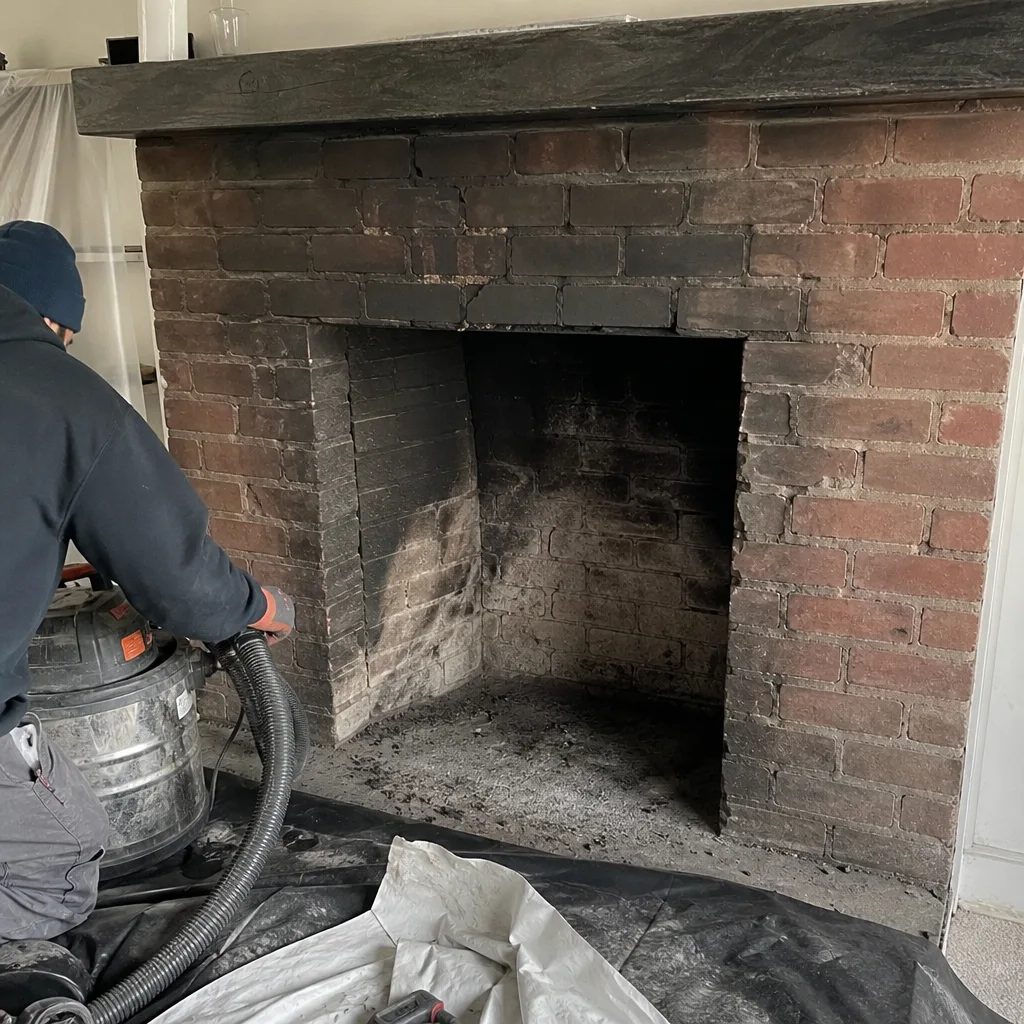 Before
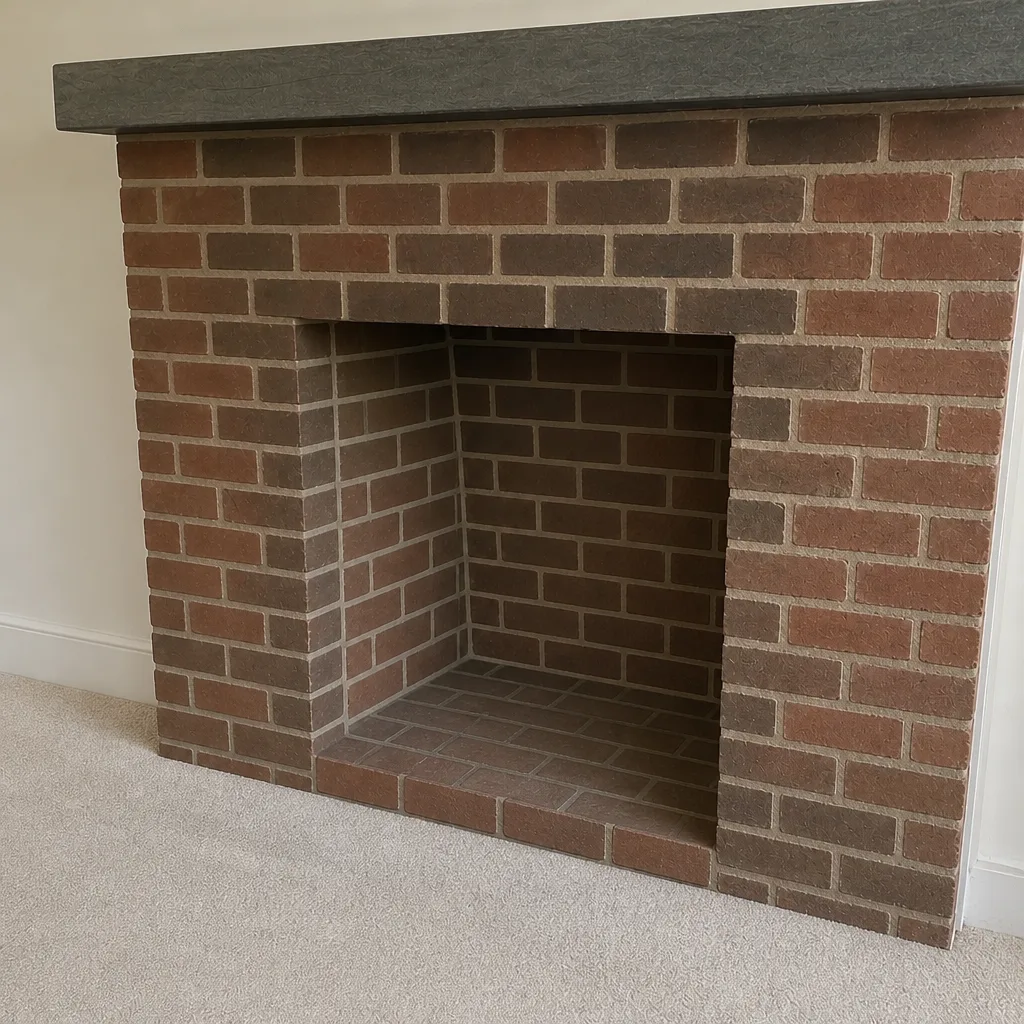 After
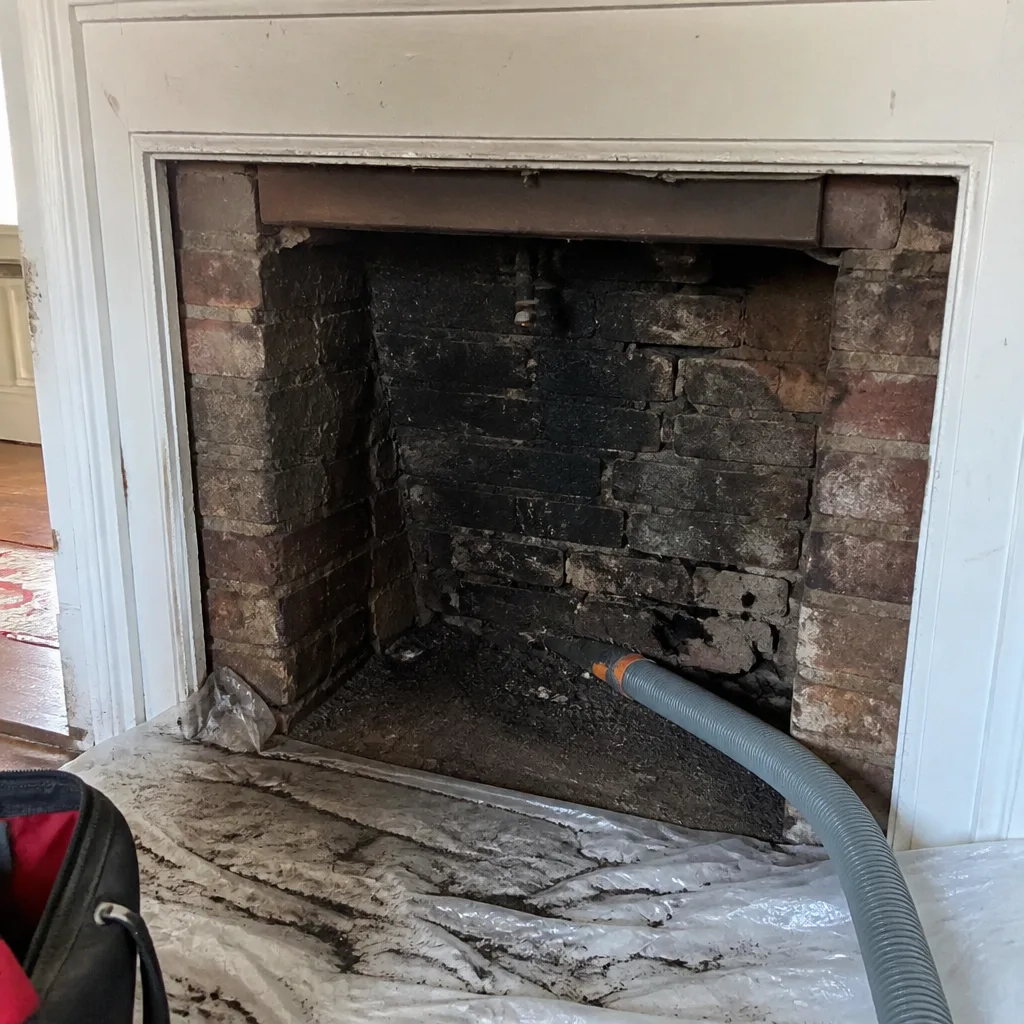 Before
 After
 Before
 After
When to Call a Professional
Some things are fine to check yourself. Others need a trained eye and a camera. Call a professional if the post-winter walk-around turns up spalling on more than one face of the chimney, if there’s water staining on the ceiling or walls near the chase, if the cap is loose or missing, or if you smell soot in the house on cold mornings. Call if the fire smokes back into the room, if the damper won’t open or seat fully, or if a gas appliance is connected to a flue you haven’t had inspected. Call before you use the fireplace for the first time each fall, especially if the chimney wasn’t capped through the summer.
We answer 24/7, and fast dispatch from 7am to 7pm, Sunday through Friday, gets a technician to you quickly. The estimate is free, and the price is set per job by the written estimate, so you know the whole number before anyone starts. Chimney Sweep Kingsbridge offers free estimates in Kingsbridge. Call (866) 937-8901.
Frequently Asked Questions
Once a year for most homes, with a full inspection at the same visit. If you burn wood frequently through the winter, or burn unseasoned wood, the flue can accumulate creosote faster than the annual cycle expects, so it’s worth having it checked mid-season if you’re burning heavily. The annual inspection is the anchor; the sweep frequency follows from what it finds. Call (866) 937-8901 for an exact quote. Estimates are free.
Because spring is when winter’s damage becomes visible. All winter, freeze-thaw cycling pushes water into hairline cracks in the crown and mortar, widening them a fraction at a time. When the thaw arrives, that moisture travels through the masonry and shows up as spalling, efflorescence staining, and interior damp patches. The damage isn’t new; it’s finally surfacing. Catching it in April is cheaper than catching it in July.
Yes. Gas fireplaces don’t produce creosote, but they still need an annual check of the venting, seals, firebox, and any exterior-wall vent run, where condensation is a real factor. A gas appliance tied to a compromised flue is a carbon monoxide risk, and that risk doesn’t announce itself. An annual inspection is the way to verify the system is sound. Call (866) 937-8901 to book one.
Creosote builds up, cures into harder stages over the summer, and creates a more flammable flue. At the same time, small problems that an inspection would have caught in spring go unaddressed: a cracked flue tile, a loose cap, a crown with a hairline crack. Skipping the cleaning doesn’t save you money; it shifts the cost into a bigger repair later. Call (866) 937-8901 for a free estimate on a sweep and inspection.
A basic brush-and-rod sweep is something some homeowners do, but the cleaning is only part of what an inspection covers. A trained inspection checks the flue tiles for cracks, the crown for separation, the cap for fit, and the joints for mortar loss, none of which a brush reveals. It also flags the safety issues, like a flue liner that has deteriorated or a joint that’s pulling air. That’s worth a professional visit. Estimates are free. Call (866) 937-8901.
Late August through October. That window lets you get the cleaning done before the residue has cured all summer, and it gets you into the calendar ahead of the November rush, when inspection attention gets thinner. If you can plan a spring inspection too, you’ll catch the freeze-thaw damage before it has a season to spread.
It matters more than any other piece of hardware on the chimney. A cap keeps water out of the flue, keeps animals from nesting in it over the warmer months, and keeps sparks from landing on the roof. A cap that’s loose or missing is one of the most common causes of the water damage we see in Kingsbridge, and a fitted cap is a cheap fix compared to the repair that follows. We fit Gelco and Olympia Chimney caps to spec. Call (866) 937-8901.
The Bottom Line
Chimney care in Kingsbridge works best as a four-season cycle, not a single autumn visit. Spring tells you what winter did. Summer is when creosote cures and gas appliances quietly degrade. Fall is when a properly timed sweep and inspection pay off. Winter tests every joint in the system. If you build your calendar around those four beats, you’ll catch the small things before they become structural, and you’ll know what each season is asking of your chimney. The written estimate sets the final price, and nothing is recommended without evidence you can see for yourself.
Call (866) 937-8901. We answer 24/7. Fast dispatch from 7am to 7pm, Sunday through Friday. The estimate is free, and the price is set per job by the written estimate.
Written by the team at Chimney Sweep Kingsbridge.