
Last updated November 25, 2026
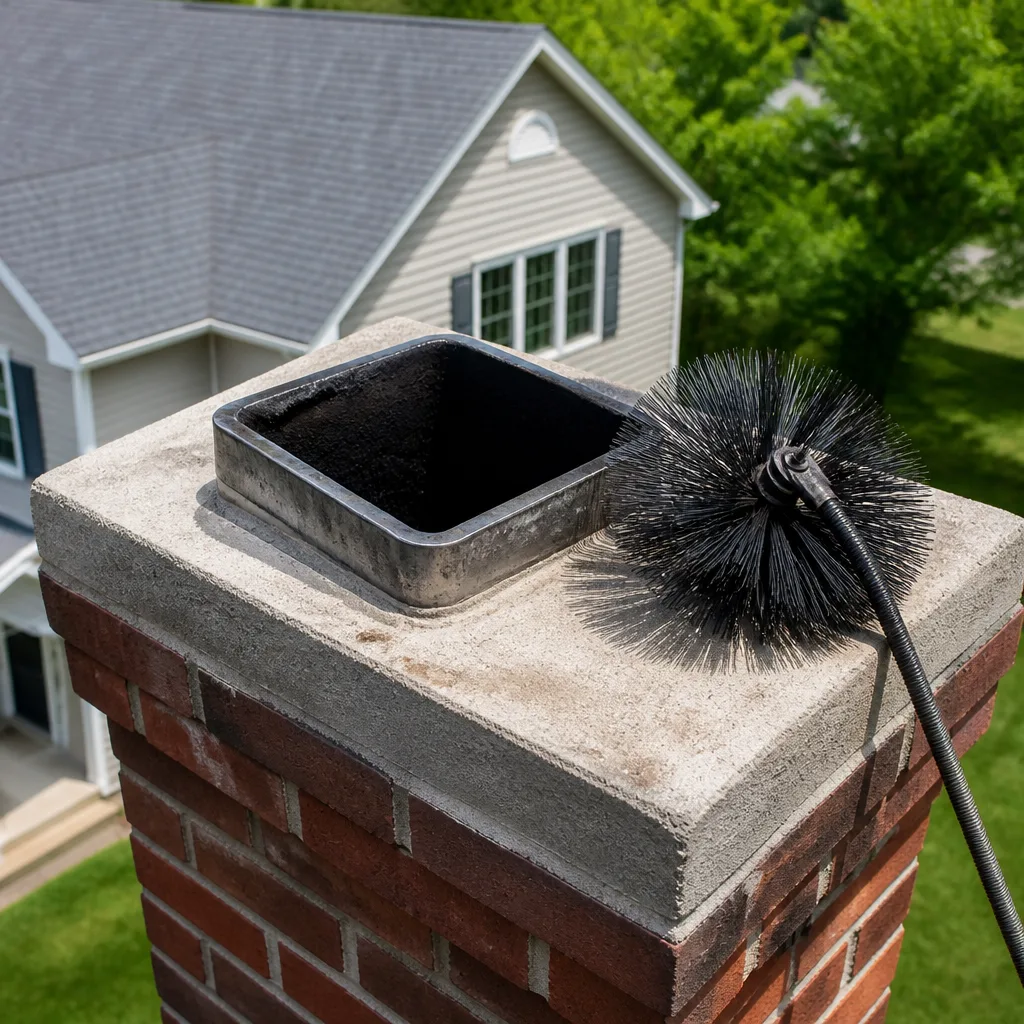 Sweep & inspection
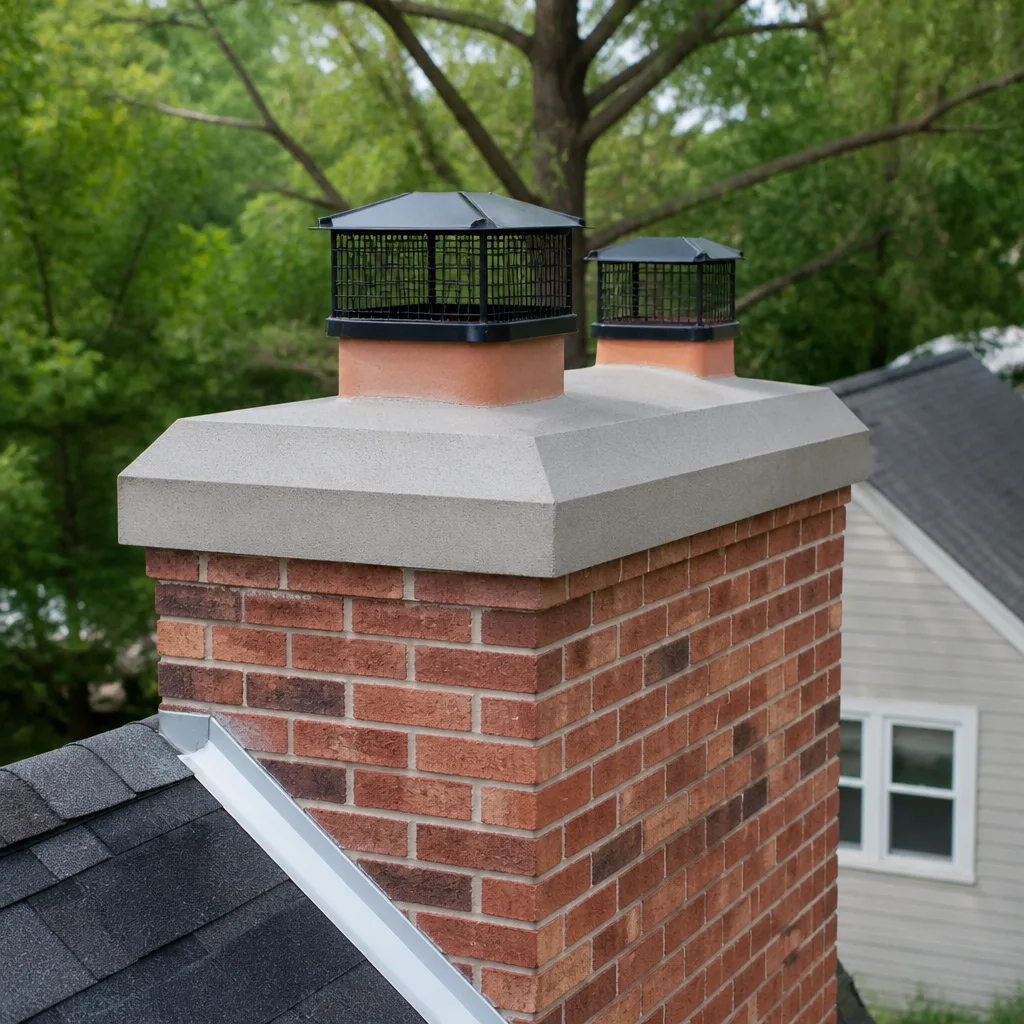 Caps & crowns
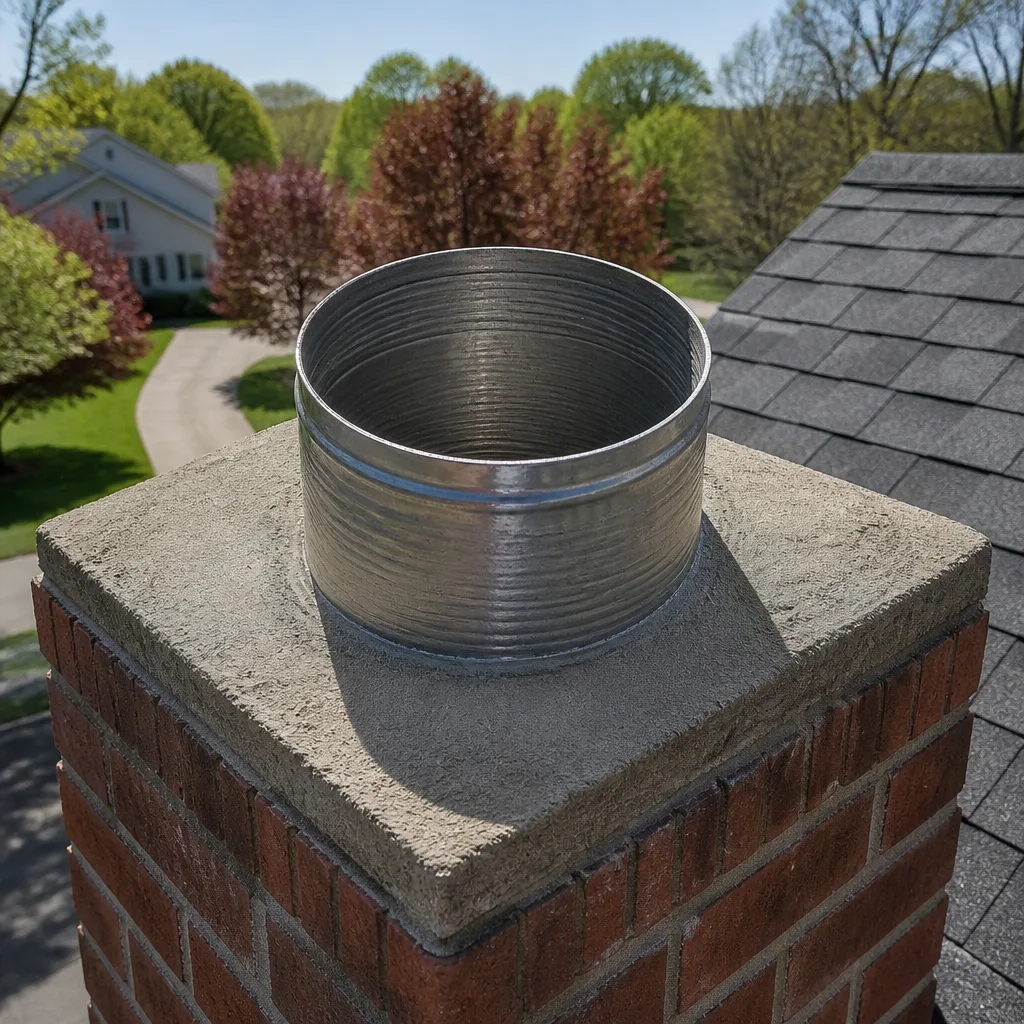 Flue relining
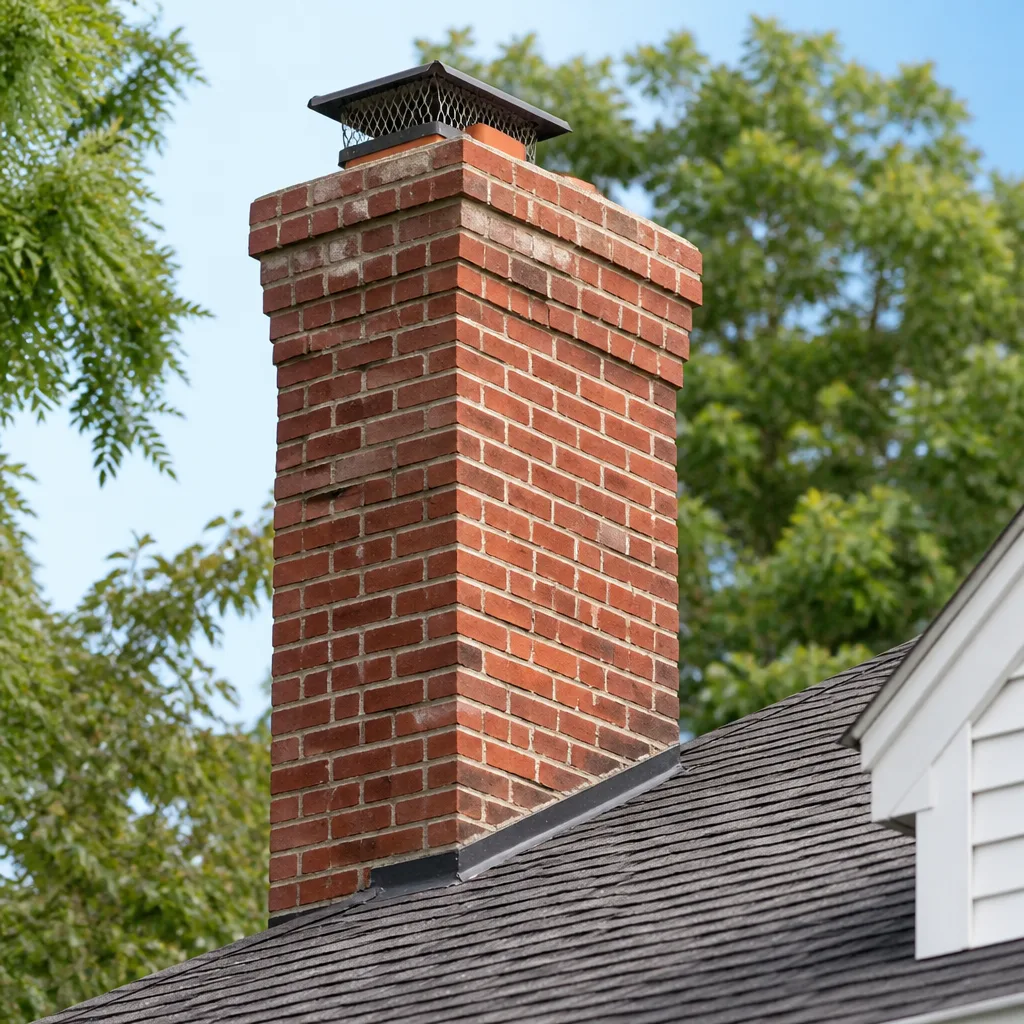 Masonry repair
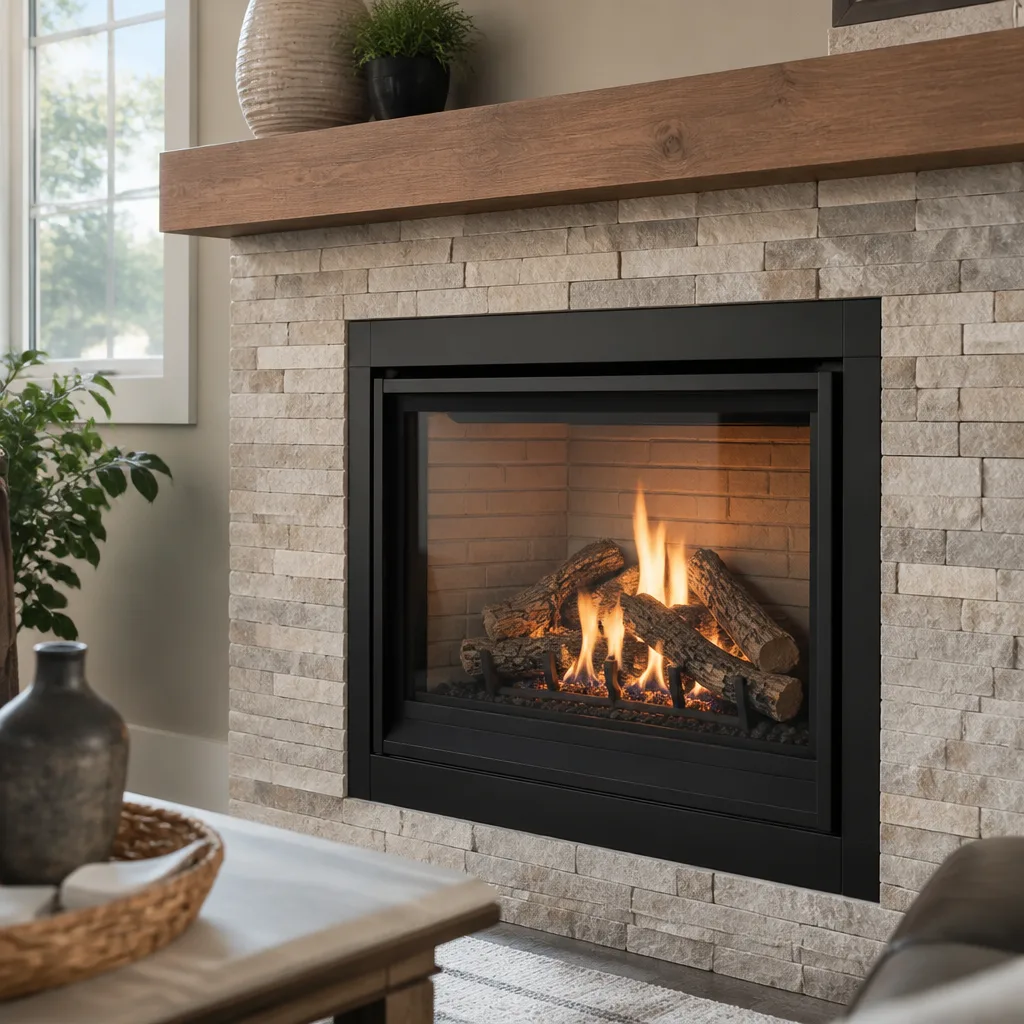 Gas fireplace service
Level 1 sweep and inspection to the NFPA 211 annual standard - flue, crown, cap, and flashing checked and photographed
Chimney sweep logs do not sweep chimneys. They loosen some creosote - which then falls where a brush and vacuum still have to collect it.
How to Hire a Chimney Cleaning Contractor in Kingsbridge: A Step-by-Step Guide
There’s no licensing requirement to call yourself a chimney sweep in New York State. The barrier to entry is a brush set and a phone. That means the responsibility for telling a trained technician apart from a day laborer with equipment rests entirely with the homeowner, and most people don’t know what to ask until the truck is already in the driveway. This guide gives you the exact questions, the answers that should raise your eyebrows, and the difference between a cleaning quote and a documented inspection. We’ll walk you through hiring a chimney professional in Kingsbridge with the same care you’d give to choosing a plumber or an electrician.
Quick Answer
To hire a chimney cleaning contractor in Kingsbridge, verify the technician’s credentials, ask about their inspection process and liner knowledge, insist on a written scope of work before any payment, and confirm they can handle the full system rather than just sweeping. A legitimate contractor will welcome these questions. A contractor who dodges them is telling you something.
Styles & brands we work with
- Sweep & inspection
- Caps & crowns
- Flue relining
- Masonry repair
- Gas fireplace service
Table of Contents
- Why Hiring a Chimney Contractor Is Different in Kingsbridge
- The Questions That Reveal a Real Chimney Professional
- What CSIA Certification Means and What It Doesn’t
- Cleaning Quote vs. Inspection With Written Findings
- Red Flags Specific to the Outer Bronx Market
- Why In-House Materials Matter More Than You Think
- A Step-by-Step Hiring Checklist
- What a Proper Chimney Appointment Looks Like
Why Hiring a Chimney Contractor Is Different in Kingsbridge
Most trades have a licensing board, a permit trail, and a paper record you can check. Chimney work in New York State largely doesn’t. That means the credentials a contractor carries are voluntary, and the homeowner has to know which ones are worth asking about. In Kingsbridge, where many homes date from the mid-20th century and include older masonry chimneys alongside gas appliances, the stakes are higher than a clogged drain. A chimney is a safety component, and it should be treated that way from the first phone call.
Kingsbridge homes also present a specific mix of chimney types. You’ll find brick masonry chimneys with clay tile liners in older buildings, and on newer work, stainless steel flexible liner systems. Some properties have a wood-burning fireplace plus a separate gas water heater flue. A contractor who only knows how to run a brush through a flue won’t be able to evaluate a full system. That’s why the questions in this guide focus on diagnosis, not just cleaning.
The other reason hiring well matters here is seasonal. Burning season runs roughly from October through March, and the overwhelming majority of calls come in during those months. If you wait until the first cold week to book, you’re competing with everyone else on the block for the same appointment slots. The best time to hire a chimney contractor in Kingsbridge is before you need one, when the calendar is open and the technician isn’t rushing.
If you’re ready to start the conversation, Chimney Sweep Kingsbridge answers questions without pressure and gives free estimates. But read on first, because the point of this guide is to help you evaluate any contractor, including us.
The Questions That Reveal a Real Chimney Professional
Ask these questions before you book. The answers tell you whether you’re talking to a specialist or a person with a brush. A trained technician will answer without hesitation. A vague answer, or one that changes the subject, is a signal.
On Liners and Flue Materials
- “What kind of liner is in my chimney, and how will you determine that?” A professional will describe a visual inspection with a camera, and will talk about clay tile, stainless steel flexible liner systems, and cast-in-place liners by name. If the answer is “we’ll just sweep it,” that’s a problem.
- “If my liner is cracked, what are my options?” A good answer includes relining, and it may mention ceramic resurfacing for liners that are deteriorated but not fully failed. A contractor who says “we’d have to rebuild the chimney” without inspecting it hasn’t earned that conclusion.
- “What sealing method do you use at the top plate?” A contractor who installs liner systems regularly will describe how the top plate is sealed to the flue, because that’s where water gets in.
On Inspection Level
- “What level of inspection do you do, and what’s included?” There are three recognized inspection levels in the trade. A routine annual appointment is typically a Level 1. A Level 2 adds a video camera scan of the flue and is standard when a new appliance is installed, a property changes hands, or a problem is suspected. A Level 3 involves opening walls or masonry. Ask which one you’re getting and why.
- “Will I get written findings?” Verbal conclusions only aren’t enough. Ask for a written report with photographs, and expect one before any work is recommended.
- “Can I see the camera footage?” Yes should be the answer. If the footage isn’t available to you, the diagnosis isn’t verifiable.
On Equipment
- “What cameras and rods do you use?” A pro will name the tools, describe the flue camera, and mention the drop cloths and containment that keep soot out of the living space.
- “How do you protect my floors and furniture?” A real answer here includes a procedure, not a reassurance.
The pattern to notice is that every good answer references a process, a tool, or a document. A bad answer references the price.
What CSIA Certification Means and What It Doesn’t
CSIA certification is the standard credential in the chimney trade. It’s issued by the Chimney Safety Institute of America and requires passing a written exam, maintaining continuing education, and agreeing to a code of ethics. It is genuinely worth asking about. A CSIA-certified technician has demonstrated a baseline of knowledge about flue systems, venting, and combustion. When you ask whether the technician who’ll arrive at your door is certified, the answer should be immediate.
What CSIA certification doesn’t do is cover everything. It doesn’t regulate who installs a liner, it doesn’t license a contractor in New York State, and it isn’t the same as a manufacturer’s authorization to install a particular lining system. That last point matters more than people realize. Flexible liner systems are typically installed to the manufacturer’s written specifications, and a contractor who works with those systems regularly has access to the technical documentation. Some also carry factory training through the manufacturer. Ask whether the person doing the work has installed a liner system recently and can describe the process. If the answer is vague, that’s information.
Two more credentials are worth asking about. Look for NFI certification for anyone touching gas appliances, which covers gas venting and combustion. And ask about the contractor’s knowledge of chimney cap and crown products. Cap installation is not a commodity job. A generic hardware-store cap fitted poorly can restrict draft or fail at the seal. A professional-grade cap, specified correctly for the flue, does what it’s designed to do.
Cleaning Quote vs. Inspection With Written Findings
This is the most important distinction in the entire guide. A cleaning quote is a price for sweeping a flue. An inspection quote is a price for evaluating the system. They are not the same service, and a contractor who treats them as interchangeable has just told you how they think.
A cleaning-only quote covers:
- Brush and rod the flue clean.
- Remove soot and debris from the firebox.
- Sweep the smoke shelf and damper area.
- Bag the soot and leave the room as found.
An inspection-inclusive quote covers everything above, plus:
- A camera scan of the flue at the appropriate inspection level.
- Photographs of what the camera found.
- A written report with findings, along with any recommended work and why it matters.
- A clear statement of what can safely wait and what shouldn’t.
When you’re comparing quotes in Kingsbridge, ask each contractor which of these two they’re offering. Pricing a cleaning and calling it an inspection is one of the most common shortcuts in the trade. So is quoting a repair before the camera has been in the flue. A proper chimney repair decision comes after evidence, not before. If a contractor tells you what’s wrong before they’ve looked, ask them how they know. The answer should be a scan you can review yourself.
When you book, ask what’s included, and expect the inspection and written report to be part of the package. If you want the details of what that looks like, our chimney sweep page walks through the appointment step by step.
Red Flags Specific to the Outer Bronx Market
The outer Bronx has a few patterns that show up repeatedly, and knowing them in advance is worth more than any review score. These are the ones that should end a conversation.
- Door-to-door upselling. A contractor who shows up unprompted with a ladder and a story about your chimney is not doing you a favor. Legitimate work starts with a call from you and a scheduled appointment.
- Cash-only pricing. If the price changes when you ask for an invoice, the number wasn’t a price. Written estimates protect both sides, and a contractor who won’t put one in writing has something to hide.
- No written scope of work. Before any payment, you should have a document that says what’s being done, to which part of the system, with what materials, and for how much. If that document doesn’t exist, you don’t have a contract – you have a handshake.
- “Your liner is shot” without a camera. This is the single most common scare line in the trade. Nobody can tell you a liner has failed without seeing it. Ask for the footage. If they can’t produce it, the recommendation is a guess.
- Pressure to decide now. Chimney work is rarely an emergency in the sense that it must be done today. A contractor who tells you the house will burn down unless you sign tonight is selling fear, not safety.
- Generic caps and sealants. If the answer to “what cap are you using?” is “whatever the supply house had,” you’re getting a commodity part on a safety component.
- No business paperwork at all. Ask for proof that the company is insured. A legitimate operation provides it without being asked twice.
Why In-House Materials Matter More Than You Think
A chimney contractor who supplies their own professional-grade materials is structurally different from one who subcontracts parts. It’s not about convenience. It’s about accountability and specification.
When a contractor works directly with manufacturers and supply lines, they know which product is specified for which application. They’ve read the installation instructions, they’ve been trained on the system, and they can stand behind the spec. When a contractor sources from a general supplier or hands the liner install to someone else, the diagnosis and the installation get separated. The person who found the problem isn’t the person fixing it, and nobody is responsible for the whole result. That gap is where callbacks and complaints live.
In practice, the difference shows up in the specifics. Ceramic resurfacing systems are specified for particular liner conditions and are not interchangeable with a generic refractory patch. Flexible stainless liner systems are selected by flue diameter and appliance type, and the wrong size changes how the appliance drafts. Caps are specified for the flue and for the climate. A contractor who works with these brands regularly will speak about them the same way a mechanic speaks about a specific part: by application, not by price.
If you’re having cap or crown work done, that’s the moment to ask whether the part is specified for your flue. If you want to understand what proper cap selection involves, our chimney cap & crown page explains the fit and the function.
A Step-by-Step Hiring Checklist
Here’s the sequence. Work through it in order, and don’t skip ahead to pricing before you’ve done the first four steps.
- Define what you actually need. Is this a routine annual sweep, a response to a visible problem, or a pre-purchase inspection? The answer determines the inspection level you should be asking for.
- Ask about credentials on the first call. CSIA certification, NFI certification for gas appliances, and whether the technician who arrives is the technician who’s trained. Get the answer before you book.
- Ask about the inspection process. Which level, what’s included, whether you get photos and a written report.
- Ask what materials they work with. Request the system and product names for any recommended repair. A professional will answer in specifics.
- Get a written scope of work. Before payment, before scheduling, in writing. The scope should name the work, the component, the materials, and the price.
- Confirm insurance and paperwork. Ask for proof of insurance. A contractor who hesitates here is telling you something about how they handle risk.
- Book before burning season. Aim for September or early October if you can. Kingsbridge appointments fill up fast once the cold arrives.
- Review the findings before you authorize repair. The report should tell you what’s urgent and what can safely wait. Never authorize a repair you can’t verify from the photos.
The through-line is documentation. Every step produces a piece of paper or a photo you can review. A contractor who works that way is a contractor worth hiring. If you want to see how the diagnostic side of this works, our chimney repair page describes what we look for and how we report it.
What a Proper Chimney Appointment Looks Like
Knowing the shape of a good appointment helps you recognize a bad one in progress. Here’s what a professional visit includes.
- Before entering. Drop cloths down, containment established, and a walk-through of the space so the technician knows what’s near the fireplace.
- The sweep. Brushing with rods and brushes matched to the flue, with soot collected and bagged. No dust cloud in your living room.
- The camera. A flue scan at the appropriate inspection level, with footage saved.
- The exterior check. The cap, crown, flashing, and the condition of the masonry at the top. This is where most water problems start.
- The report. Written findings, photographs, and a clear separation between what’s urgent, what’s routine, and what can wait.
- The conversation. A technician who explains what they found and what it means, in plain language, before recommending anything.
What a proper appointment does not include is a surprise number at the end. The written estimate is agreed before the work begins, and any additional repair is a separate conversation with new documentation. That’s the standard we hold ourselves to, and it’s the standard you should hold any contractor to in Kingsbridge.
If something on the exterior looks wrong – a missing cap, a cracked crown, masonry that’s spalling – don’t wait for the next sweep. Those are the problems that let water into a flue and turn a small fix into a big one. The first step is a documented inspection, and a camera scan with a written report tells you what you’re actually dealing with.
Common Mistakes to Avoid
- Hiring on price alone. The cheapest quote in Kingsbridge is usually a cleaning quote, not an inspection quote. Comparing them as if they’re the same service is how people end up paying twice.
- Accepting a verbal diagnosis. “Your liner is cracked” is a claim, not a finding. Ask for the footage. If they can’t show it, the diagnosis isn’t evidence.
- Skipping the exterior. Many homeowners focus on the firebox and forget the roof line. The cap and crown are the first line of defense against water, and they’re easy to overlook.
- Booking too late in the season. Everyone calls in November. Book in September, before the burning season rush in Kingsbridge, and you’ll get better attention and faster scheduling.
- Paying without a written scope. A handshake and a cash price is not a contract. Insist on a document that names the work, the materials, and the price before any payment changes hands.
- Assuming a license exists. New York State doesn’t license chimney sweeps, so don’t assume that a “licensed” claim means what it would for an electrician. Ask about CSIA and NFI certification instead – those are the credentials that actually mean something in this trade.
- Letting a subcontractor own the parts. When the liner is sourced by a third party, nobody owns the outcome. A contractor who supplies professional-grade materials and installs them themselves is accountable for the whole job.
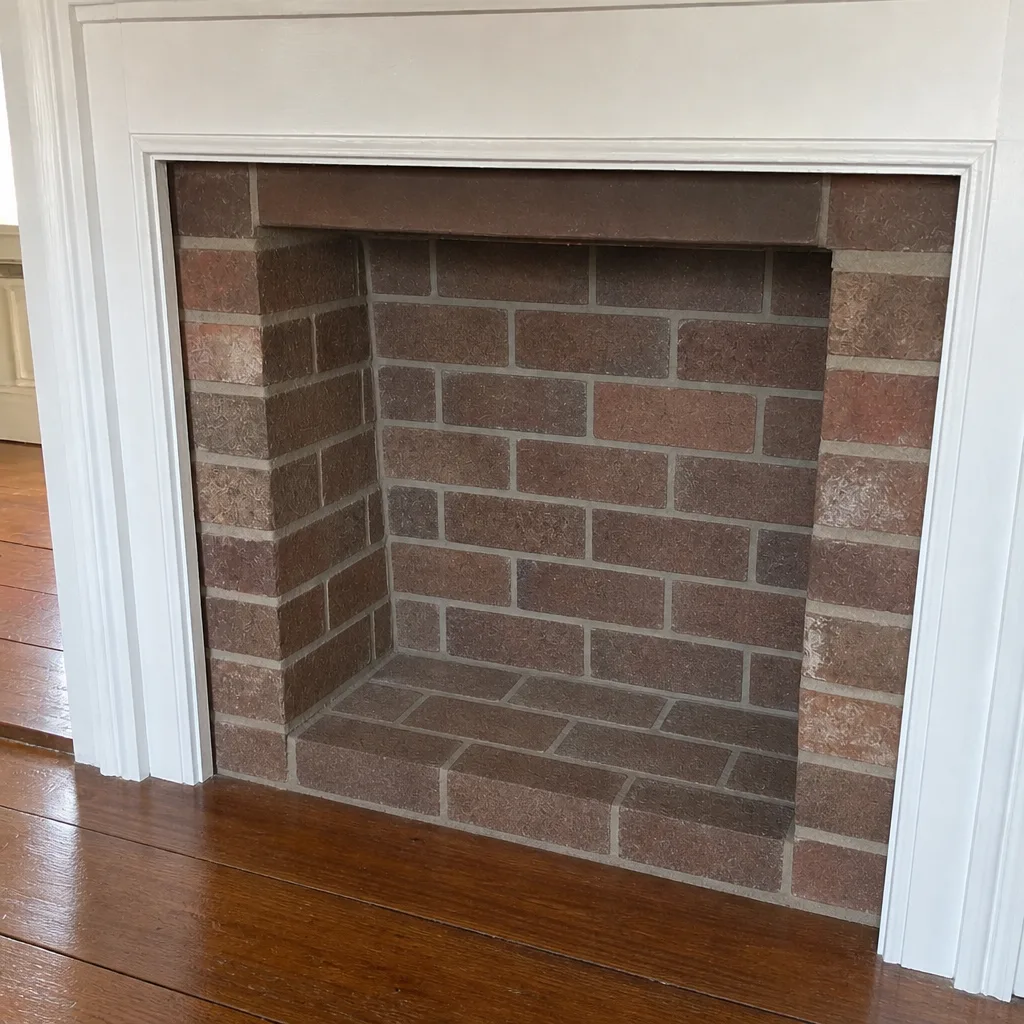
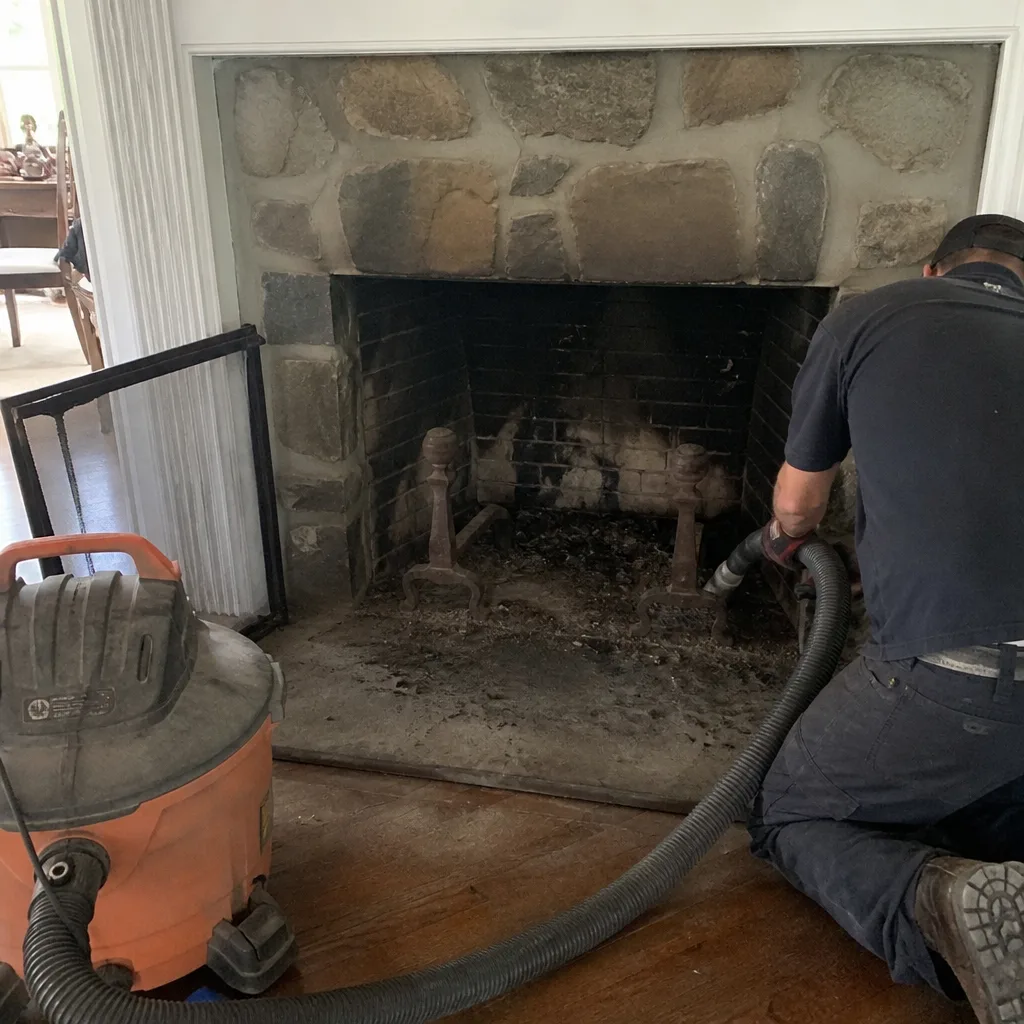
See the difference
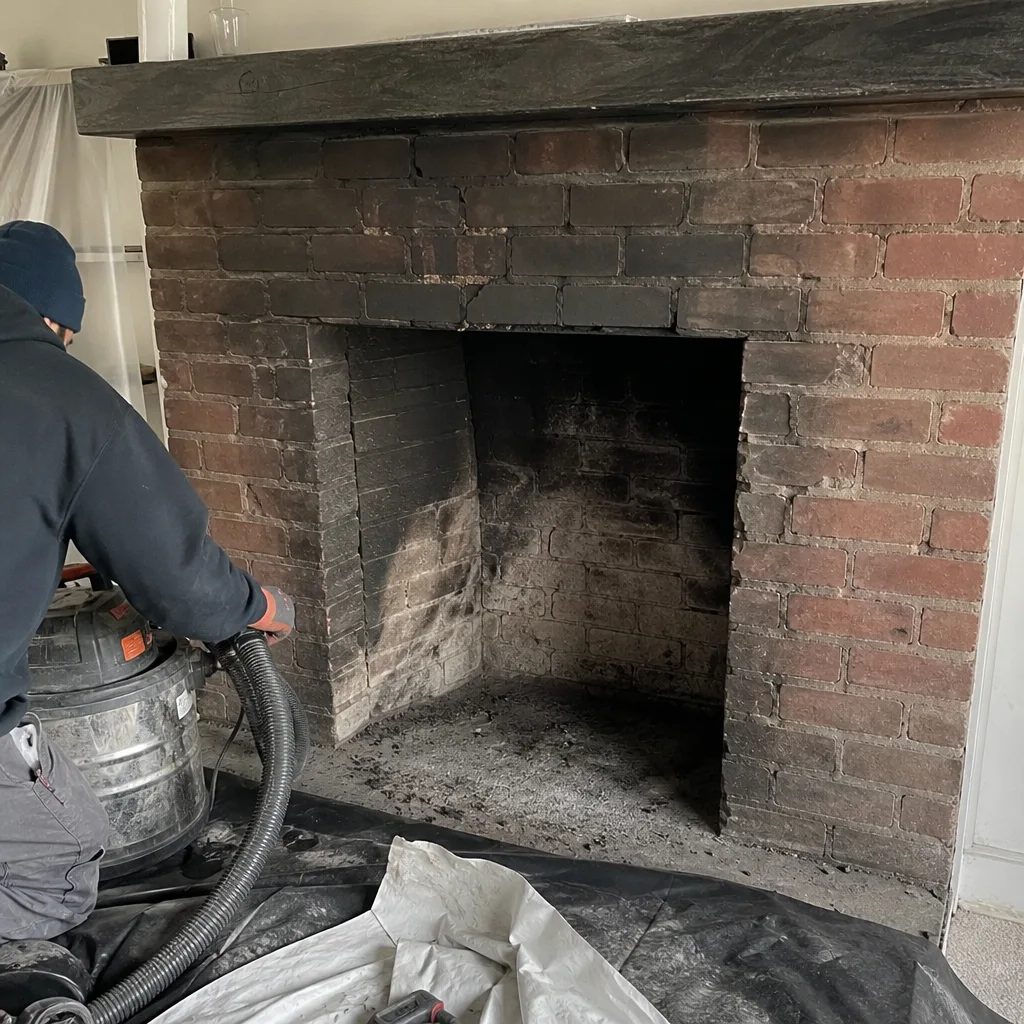 Before
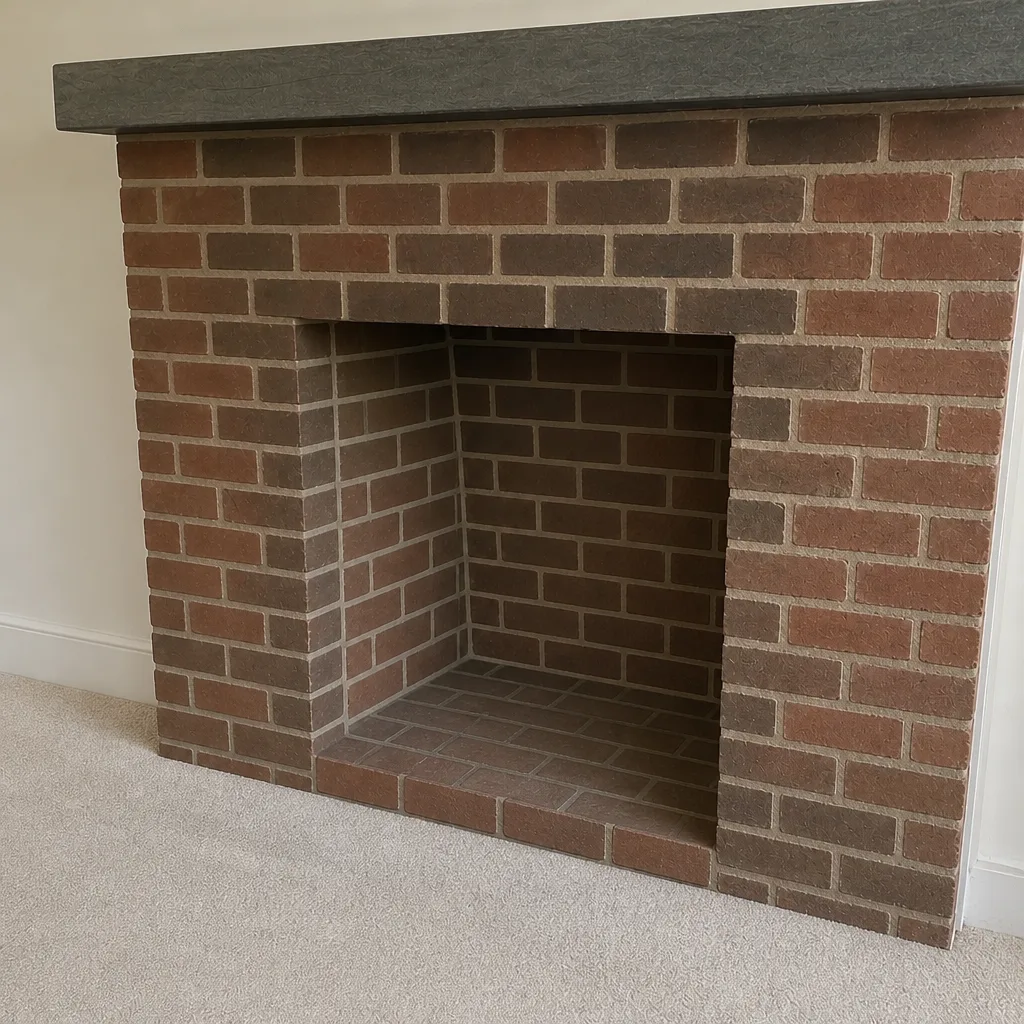 After
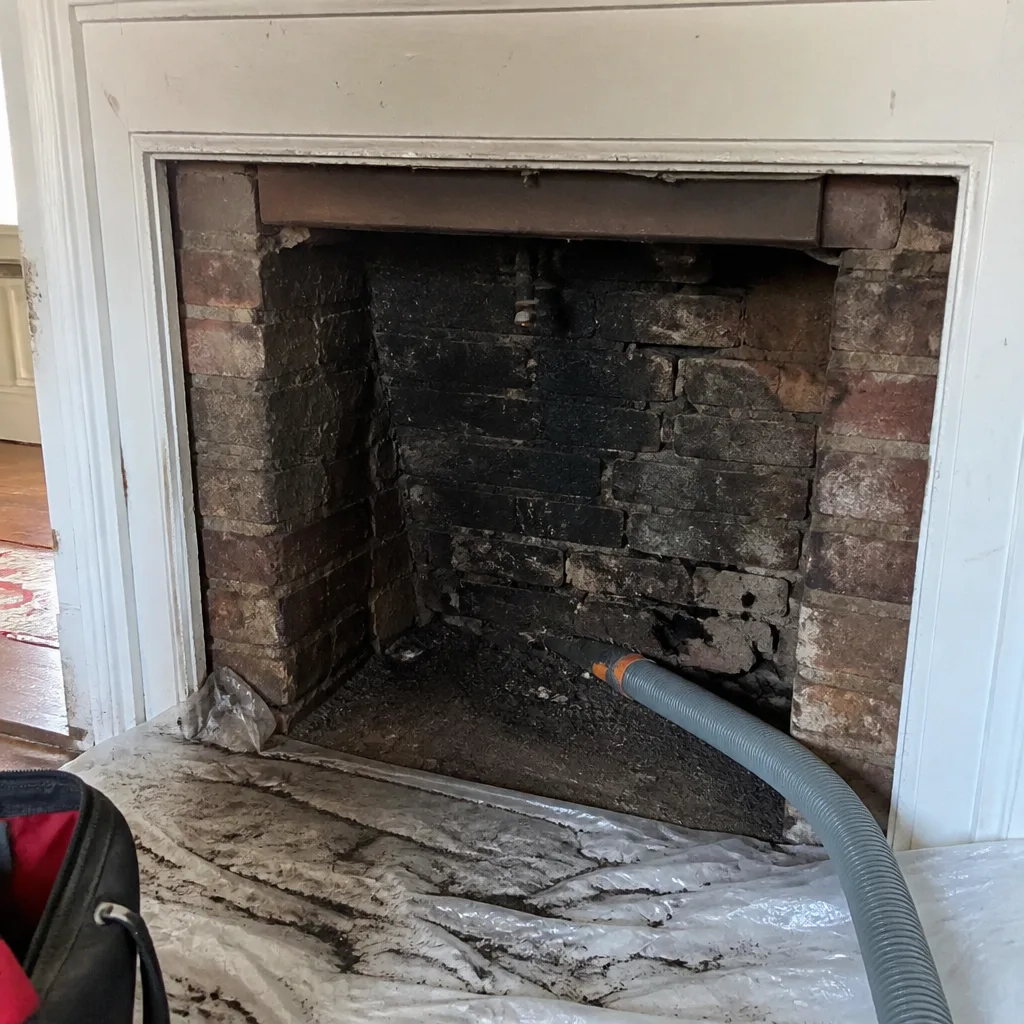 Before
 After
 Before
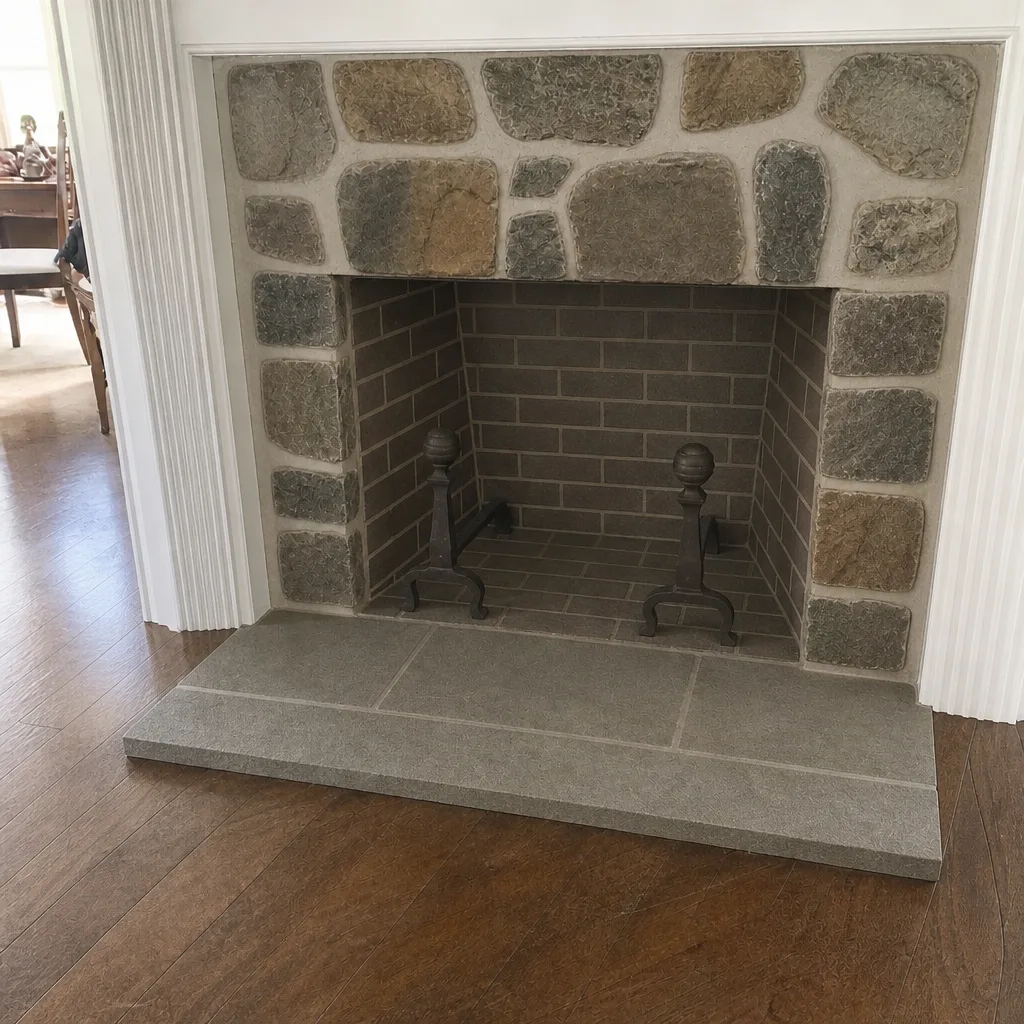 After
When to Call a Professional
Some chimney issues can’t wait for the next annual sweep. Call a professional if you smell a strong creosote odor in the house even when the fireplace is cold, if smoke backs into the room when you light a fire, or if you can see cracks or gaps in the flue from the firebox. Call immediately if a gas appliance has a yellow flame or if a carbon monoxide alarm has gone off – turn the appliance off and get it checked before using it again. Call before your first burn of the season if the chimney hasn’t been swept in a year, and call before a home sale, since a level 2 inspection is standard for a property transfer.
Those are the situations where professional eyes matter. Outside of them, the annual appointment is the right cadence, and the best way to catch a problem before it becomes an emergency. Chimney Sweep Kingsbridge offers free estimates in Kingsbridge. Call (866) 937-8901. We answer 24/7. Fast dispatch from 7am to 7pm, Sunday through Friday.
Frequently Asked Questions
Chimney sweep pricing in Kingsbridge is set per job by a written estimate after the inspection, and the estimate is free. The price depends on the flue length, the level of inspection required, and whether any repair or cap work is added. The written estimate sets the final price, so nothing is added after the fact. Call (866) 937-8901 for an exact quote – estimates are free.
A chimney should be swept once a year if you burn wood regularly, and inspected at the same time. The annual appointment catches creosote buildup and small liner or crown problems before they turn into repair bills. If you burn heavily or burn unseasoned wood, an extra mid-season check is worth considering. Call (866) 937-8901 to book before the burning season fills up.
Only if a camera scan shows the liner has actually failed – cracked tiles, gaps, or a deteriorated surface. A recommendation without footage isn’t a diagnosis. Ask to see the scan, and if the flue is sound, you don’t need a liner. If it isn’t, the decision is about which lining system is specified for your flue, and that should be explained before any work is authorized. Call (866) 937-8901 for an inspection you can review yourself.
Creosote accumulates in the flue with every fire, and at a certain thickness it becomes a chimney fire risk. A blocked or narrowed flue can also push carbon monoxide back into the living space instead of venting it outside. Neither risk announces itself, which is exactly why the annual sweep exists. Call (866) 937-8901 to get on the schedule before the season starts.
Yes, and that’s the arrangement you want. When the same technician who diagnoses the problem installs the cap, crown, or liner, there’s no handoff gap and no finger-pointing between two companies. Ask on the first call whether the full system is covered in-house. Chimney Sweep Kingsbridge handles inspection, cleaning, cap and crown work, fireplace repair, and chimney repair from start to finish. Call (866) 937-8901 for a free estimate.
Yes, the estimate is free. A proper written estimate names the work, the component being addressed, the materials specified – including the exact cap, crown, or liner system – and the price. It should be agreed before the work begins. If a contractor won’t put the scope in writing, don’t book. Call (866) 937-8901 to get a written estimate in Kingsbridge.
The Bottom Line
Hiring a chimney contractor in Kingsbridge comes down to documentation. Credentials you can verify, an inspection with a camera scan, photos and a written report you can review, a written scope of work before any payment, and materials specified by a contractor who installs them themselves. A professional welcomes every one of those questions because the answers are the reason to hire them. A generalist will dodge them, and the dodge is the tell. Our technicians have up to 8 years of experience, we work with professional-grade liner and cap systems, and we give you the findings before we recommend a thing. When you’re ready to book, call (866) 937-8901 for a free estimate. We answer 24/7. Fast dispatch from 7am to 7pm, Sunday through Friday.
Written by the team at Chimney Sweep Kingsbridge.