
Last updated November 25, 2026
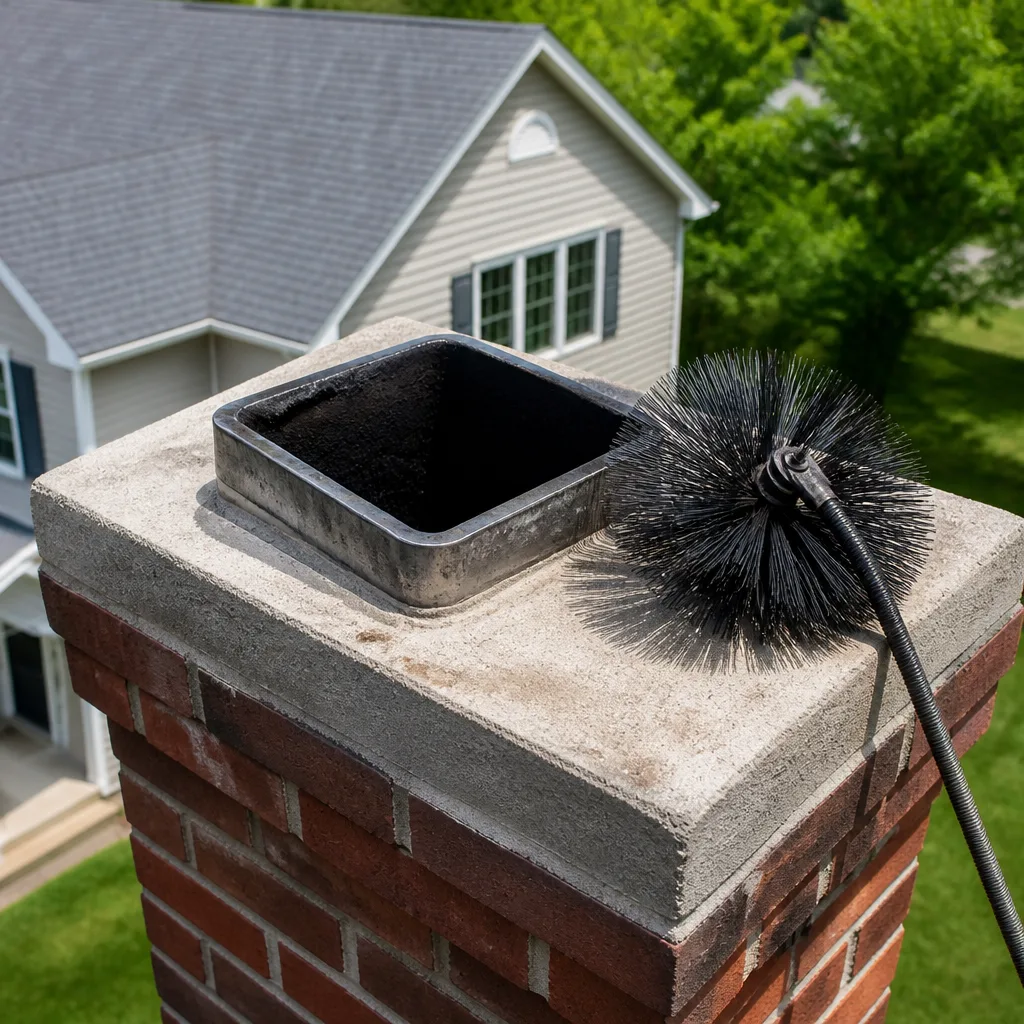 Sweep & inspection
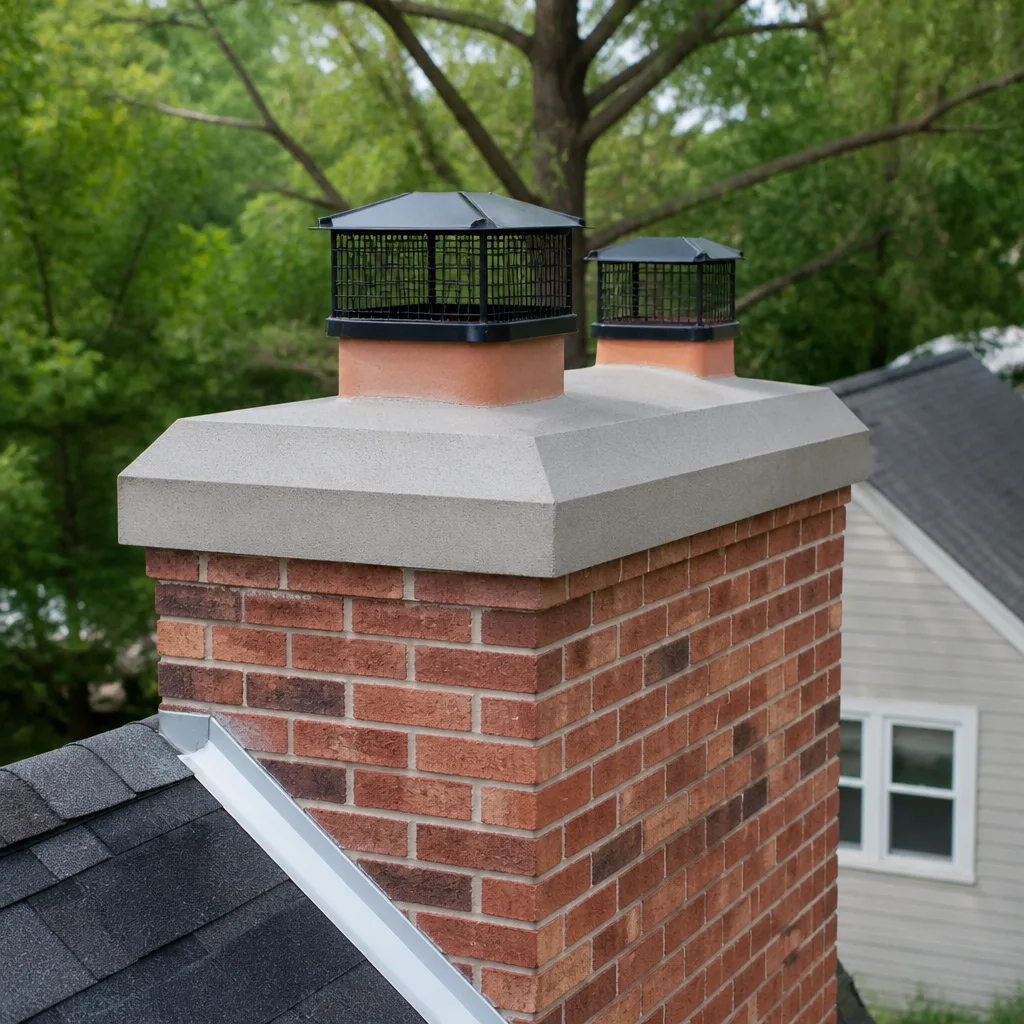 Caps & crowns
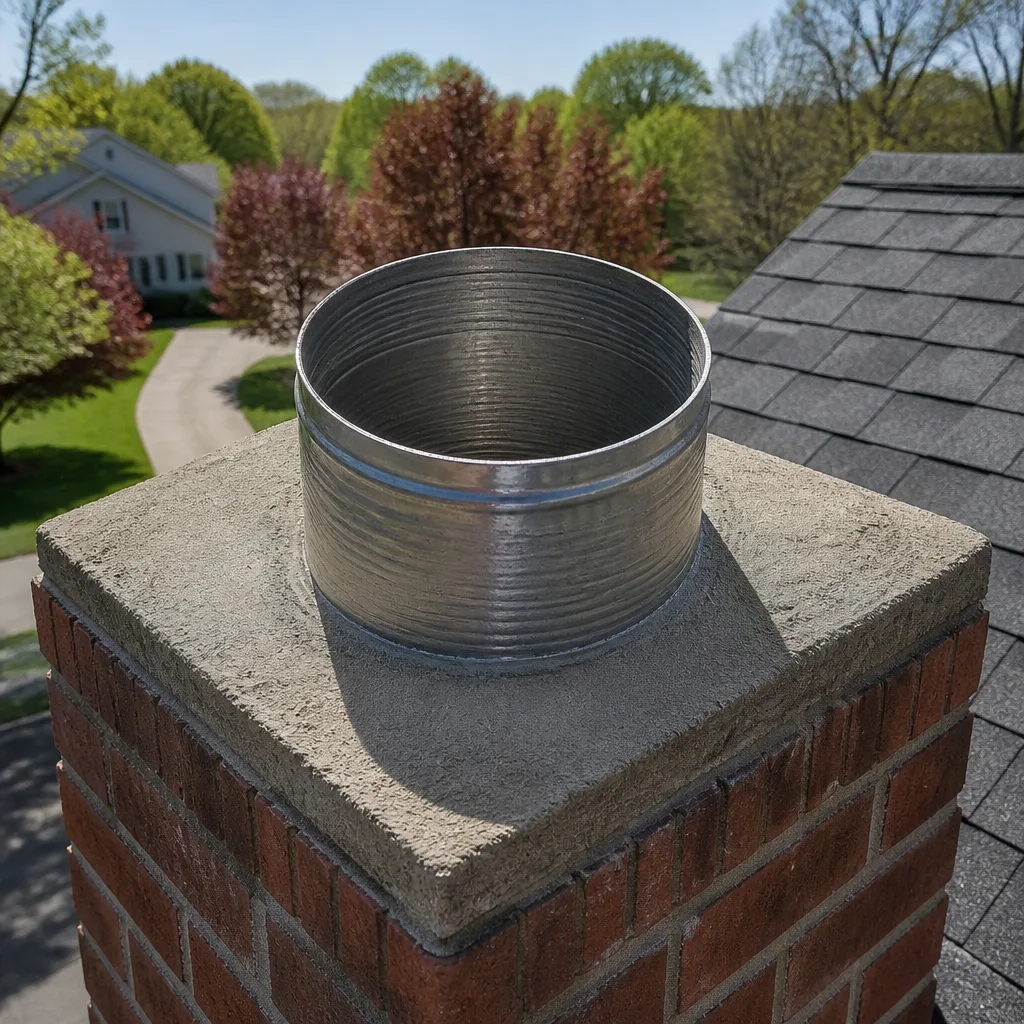 Flue relining
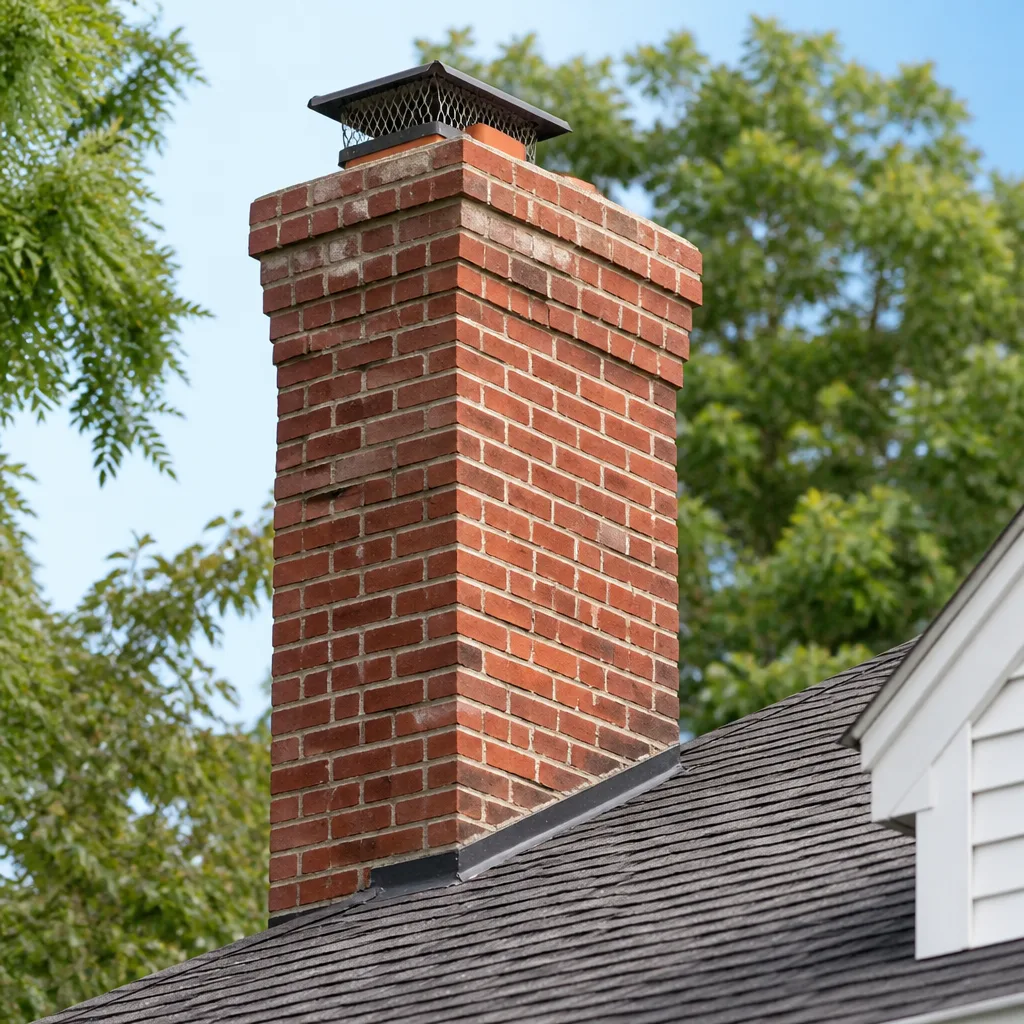 Masonry repair
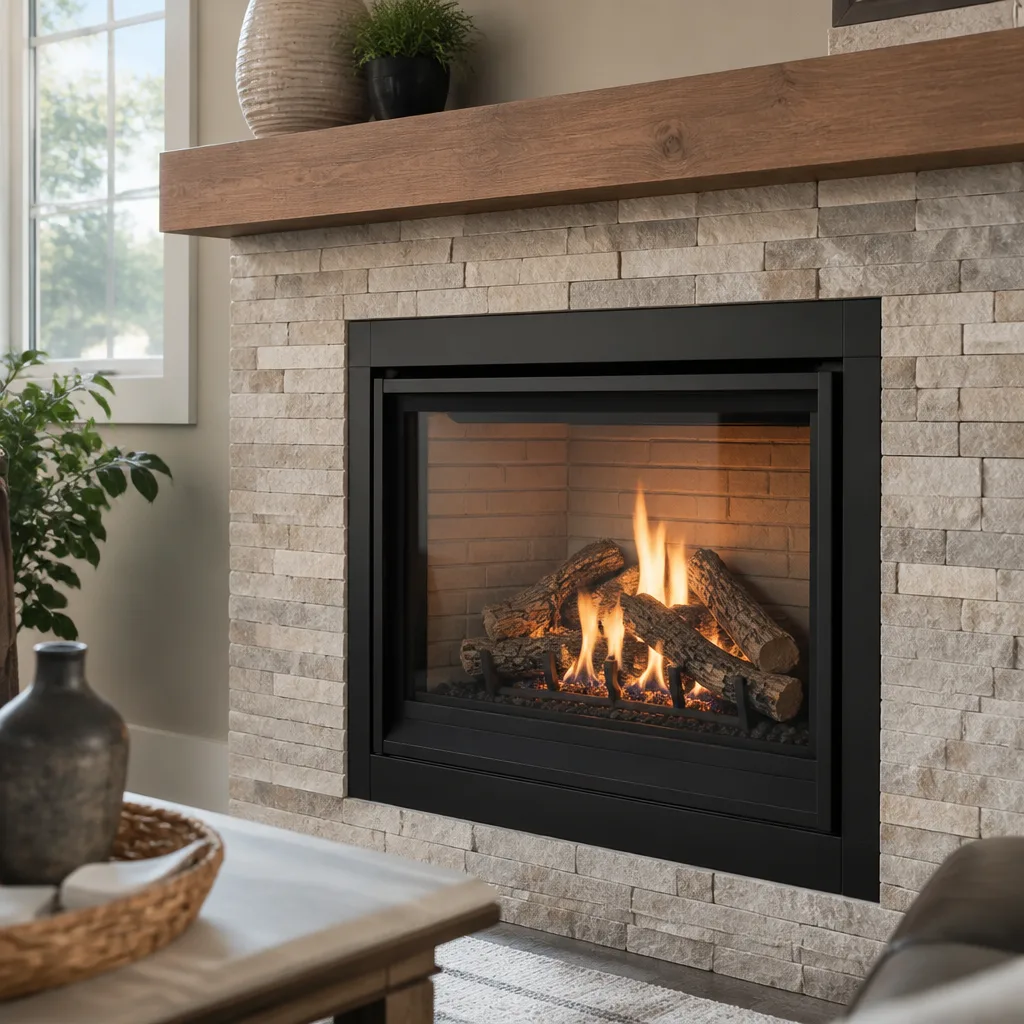 Gas fireplace service
Level 1 sweep and inspection to the NFPA 211 annual standard - flue, crown, cap, and flashing checked and photographed
Chimney sweep logs do not sweep chimneys. They loosen some creosote - which then falls where a brush and vacuum still have to collect it.
DIY vs Professional Chimney Cleaning: The Kingsbridge Homeowner’s Decision Guide
You can buy the same brush a chimney sweep uses for around $40 online. What you can’t buy with that brush is the ability to read what comes back down with it. The soot pattern on the bristles, the texture of the creosote, the glaze on the flue walls – that’s diagnostic information, and interpreting it is the actual job. If you live in Kingsbridge and you’re weighing whether to clean your own chimney this year, the honest answer is that part of the work is genuinely yours to do and part of it isn’t. This guide draws that line clearly. We’ll cover what a homeowner can safely handle, what requires equipment and training, how Kingsbridge’s older housing stock changes the calculation, and what the real cost comparison looks like when you count everything.
Quick Answer
DIY chimney maintenance is appropriate for ash removal, exterior visual checks of the cap and crown, and confirming the damper opens and closes freely. Actual flue cleaning, liner inspection, smoke chamber assessment, and removal of glazed creosote require professional tools and training – and in Kingsbridge’s older homes, the risks of getting it wrong (unlined flues, offset runs, shared walls) are higher than in newer construction. The dividing line isn’t skill; it’s access and diagnosis.
Styles & brands we work with
- Sweep & inspection
- Caps & crowns
- Flue relining
- Masonry repair
- Gas fireplace service
Table of Contents
- What DIY chimney maintenance legitimately covers
- The three things that make professional cleaning non-negotiable
- Why Kingsbridge’s older housing stock raises the stakes
- The honest cost comparison
- CO and structural risk: when “looks clean” isn’t clean
- A step-by-step decision framework
- What a professional sweep actually includes
- How often this needs to happen
What DIY chimney maintenance legitimately covers
There’s real work a homeowner should do, and doing it well reduces how much professional cleaning the flue needs over time. The key is staying on the safe side of the line. Here’s what’s genuinely within reach.
- Firebox ash removal. Scoop out ash once it builds up past an inch or so. A little ash bed actually helps combustion, so don’t strip it bare. Use a metal container with a lid and let it sit for days before disposing of it – embers hide in ash longer than people expect.
- Exterior visual inspection of the cap and crown. From the ground with binoculars, or from a ladder only if you’re confident and stable. Look for a cracked crown, a missing or rusted cap, or debris visible at the top of the flue.
- Damper operation check. Open and close it fully. It should move freely and seat properly. A damper that sticks open wastes heat; one that sticks closed is a smoke problem waiting to happen.
- Firebox and hearth condition. Look for cracked firebrick, crumbling mortar joints, or gaps where the firebox meets the surrounding masonry.
- Keeping combustibles clear. Nothing within a few feet of the firebox opening, and a proper screen in place.
What this list has in common is that it can be done from outside the flue or from the room. The moment the work requires reaching up the flue itself, or interpreting what you find, the calculation changes. There’s a good reason to know the difference before you start – and to know when a Chimney Sweep Kingsbridge call makes more sense than a ladder.
The three things that make professional cleaning non-negotiable
Cleaning a flue isn’t only about scraping off soot. There are three specific jobs that a homeowner brush can’t meaningfully address, and each one is a safety issue on its own. This is where we draw the hard line.
1. Stage 2 and Stage 3 creosote removal
Creosote comes in stages. Stage 1 is flaky soot that brushes off easily. Stage 2 is a tar-like, sticky deposit that clings and smears. Stage 3 is glazed, hard, and looks almost like a shellac coating on the flue wall. Stage 2 and 3 creosote are the fuel load that drives chimney fires. Removing them requires specific brush types, chemical treatments, and in some cases mechanical tools – not a consumer brush on a flexible rod. A homeowner who doesn’t know how to read creosote staging can scrape stage 1 off, assume the job is done, and leave the dangerous layer intact.
2. Liner inspection
The flue liner is the safety barrier between the fire and the structure of the house. Cracks, gaps, spalling, and separation at the joints are invisible from the firebox. A proper inspection uses a camera and good lighting to see the full run of the flue. Without that visual, you’re guessing. We use the chimney repair findings from that camera work to tell a homeowner exactly what’s there and what it means, before any work begins.
3. Smoke chamber assessment
The smoke chamber is the transition zone above the damper and below the flue. It’s the part of the system where a lot of problems hide – rough mortar, corbelled brickwork that catches creosote, gaps that let heat reach framing. It can’t be inspected from the firebox, and it can’t be reached with a rod-and-brush from below. Skipping it means missing one of the highest-risk areas in the whole chimney.
Why Kingsbridge’s older housing stock raises the stakes
Chimney work in Kingsbridge is not the same as chimney work in a newer subdivision. The housing stock here includes a lot of older structures, and older structures carry specific patterns that change the DIY calculation.
Unlined flues. Many older homes were built before modern liner standards, which means the flue itself is sometimes just bare brick channel. Bare brick isn’t a smooth surface – it’s porous, irregular, and prone to accumulating creosote in the mortar joints. Brushing a bare brick flue can also break down the mortar, which does the opposite of fixing anything. A proper inspection tells you whether the flue has a liner at all, and if it doesn’t, what your options are.
Offset chimney runs. An offset is where the flue shifts sideways as it rises, usually to route around a structure. Offsets create ledges where creosote builds up and where a brush can miss a section entirely. If you’re cleaning from the top with a rod and brush, an offset flue means you can be brushing the top section and the bottom section and never touching the shelf in the middle.
Shared walls. In attached and semi-detached buildings, the chimney stack is often shared. A dislodged blockage – a chunk of creosote, a broken flue tile, a bird nest – doesn’t always come down where you expect. It can lodge in a section that serves a neighbor’s flue, or block a shared stack in a way that affects more than one household. That’s not meant to scare you. It’s a practical reason to have a professional set up with the right tools and the camera to see what’s happening in a shared run.
The honest cost comparison
We’re not going to tell you professionals are always the answer for every dollar of chimney work. Here’s the real math as we see it, done honestly, without pretending a $40 brush equals a professional sweep.
The DIY column: a brush and flexible rods (roughly $40-$100 depending on flue size and rod length), a shop vac rated for fine soot, drop cloths, a respirator and eye protection, and your time. A first-time homeowner doing a top-down clean on an accessible straight flue can usually do it in a couple of hours. That’s a real number, and for a simple, clean, straight flue above a fireplace that’s been burned lightly, it’s not crazy.
The professional column: the professional scope covers the flue cleaning, the camera inspection, the smoke chamber assessment, the creosote staging, and the diagnostic read on the whole system. Every dollar of it is going toward work that a homeowner either can’t do or can’t interpret. That’s the value, and it’s not the same value at every house.
Here’s the part most comparisons won’t tell you: for a homeowner with a modern, correctly lined flue, a clean burning habit, and no reason to suspect a problem, an annual DIY brush and a careful visual inspection can cover the gap between professional sweeps. The professional sweep becomes essential when any of the following is true:
- The flue is unlined or you don’t know what’s inside it
- You see glazed or tar-like deposits
- There’s an offset in the flue run
- You burn a lot, or you burn green or unseasoned wood
- You’ve had a chimney fire, or you suspect one
- The chimney is on a shared stack
- You’ve never had a camera inspection
If any of those apply, the professional sweep isn’t a luxury – it’s the only way to actually know the state of your system. We’re glad to walk through a specific house with you and tell you honestly what it needs. Call (866) 937-8901 for a free estimate.
CO and structural risk: when “looks clean” isn’t clean
The dangerous version of a chimney is rarely a visibly dirty one. The dangerous version is one that looks clean from the firebox, sounds clear when you drop a brush down it, and has a compromised liner that nobody has actually looked at.
Two failure paths matter here.
Carbon monoxide. CO is colorless and odorless. It comes from incomplete combustion, and it becomes a problem in a chimney system when the flue doesn’t vent properly – a cracked liner, a separated joint, a blockage, or a flue sized wrong for the appliance. A wood-burning fireplace can produce CO, and gas appliances on a chimney system definitely can. The reason this matters in a DIY context is that a homeowner who skipped the camera inspection has no way to know whether the venting path is intact. That’s not a scare tactic; it’s the reason we push inspection-first on every call.
Structural risk. Heat reaching framing, masonry that’s spalling from moisture, a crown that’s cracked and leaking water into the flue. None of these are visible from the firebox. All of them show up on a camera inspection and a careful exterior assessment of the cap and crown – which is exactly what chimney cap & crown work is built around.
The reason we lean so hard on camera evidence is simple: nothing should be recommended to a homeowner they can’t see for themselves. If we find a cracked liner, we show you the picture. If we find stage 3 creosote, we show you what it looks like and explain what a chimney fire risk actually means. And if the system is in good shape and can safely wait another season before the next cleaning, we tell you that too.
A step-by-step decision framework
Here’s a straightforward way to decide whether your chimney is a DIY-clean year or a professional-sweep year. Go through it in order.
- Confirm what your flue is. Do you know whether it’s lined, and with what? If you don’t know, that’s the diagnostic question to resolve first.
- Look at the last season’s burn. How much did you burn? What did you burn? Green or unseasoned wood produces far more creosote than dry, seasoned wood.
- Do the exterior check. Binoculars on the cap and crown. Cracked crown, missing cap, or visible debris at the top of the flue all push toward a professional call.
- Do the firebox and damper check. Cracks in the firebox, a damper that won’t seat, or a smoky smell when the fireplace is cold all mean something in the system isn’t right.
- Look for signs of a past chimney fire. Warped damper, cracked flue tile visible at the top, “puffy” creosote. Any of these means a camera inspection before you burn again.
- Decide based on what you found. Clear flue, modern liner, light burn, no symptoms: a DIY brush and a careful look are reasonable. Anything on the “professional” list above: book a sweep with camera inspection.
- Get it on a schedule. Whichever path you take, put the annual check on the calendar. Skipping a year is how small problems become structural ones.
What a professional sweep actually includes
When we sweep a chimney, the cleaning is only part of the visit. The scope of an inspection-first call looks like this:
- Flue cleaning with the correct brush type for the flue’s material and size.
- Camera inspection of the full flue run, top to bottom.
- Creosote staging and removal – identifying stage 2 and 3 deposits and treating them, not just brushing loose soot.
- Smoke chamber assessment and inspection of the damper and firebox.
- Exterior assessment of the cap, crown, and chimney top.
- A written, photographed report of what was found, what it means, and what (if anything) needs to happen next.
When repair work is needed, we handle it in-house rather than handing you off to another contractor. Liner work uses DuraFlex flexible liner systems, and resurfacing of deteriorated flue liners uses the HeatShield ceramic system – both professional-specification products not typically available to DIY or discount operators. Caps are fitted to spec with Gelco and Famco products rather than generic hardware-store alternatives. Our technicians have up to 8 years of experience, and the same person who diagnoses the issue does the work, so nothing gets lost in translation. That’s what “single-company accountability” means in practice – one chimney sweep visit, one report, one crew following through.
How often this needs to happen
The general rule is that a chimney should be inspected annually and swept as needed – which usually means when creosote has built up to about an eighth of an inch, or roughly once a year for a regularly used fireplace. This isn’t a number chosen to sell sweeps; it’s the level at which creosote becomes a meaningful fire risk. Homes that burn heavily, burn green wood, or run older appliances tend to need cleaning more often. Homes that burn occasionally and cleanly often need it less. The annual inspection is what tells you which is true this year. For a Kingsbridge homeowners’ realistic schedule, think of it as: inspect every year, clean when the inspection says so, and never let two years go by without a camera look at the liner.
Common Mistakes to Avoid
- Cleaning from the roof without confirming the flue material. Brushing a bare brick flue can damage mortar joints and create a bigger problem than the soot you removed. Know what you’re brushing before you brush it.
- Assuming a straight clean means a safe chimney. A brush passes cleanly through a cracked liner without hitting anything. The camera is what catches the crack.
- Skipping the smoke chamber. The area above the damper is where a lot of creosote and heat problems develop, and it isn’t reachable with a homeowner brush.
- Using a shop vac as your only soot containment. Fine soot gets into the room. Professional setups use negative pressure and containment to keep the air in your home clean during the sweep.
- Cleaning a shared stack without thinking about the neighbor’s flue. In Kingsbridge’s attached housing, a dislodged blockage can affect the whole stack – not just yours.
- Burning green or unseasoned wood to make the chimney “warmer faster.” It produces more creosote and more frequent cleaning needs. Seasoned wood burns cleaner and longer.
- Treating the cap and crown as cosmetic. A cracked crown lets water into the masonry. Water in the masonry causes spalling, and spalling is a structural repair, not a cleaning issue.
See the difference
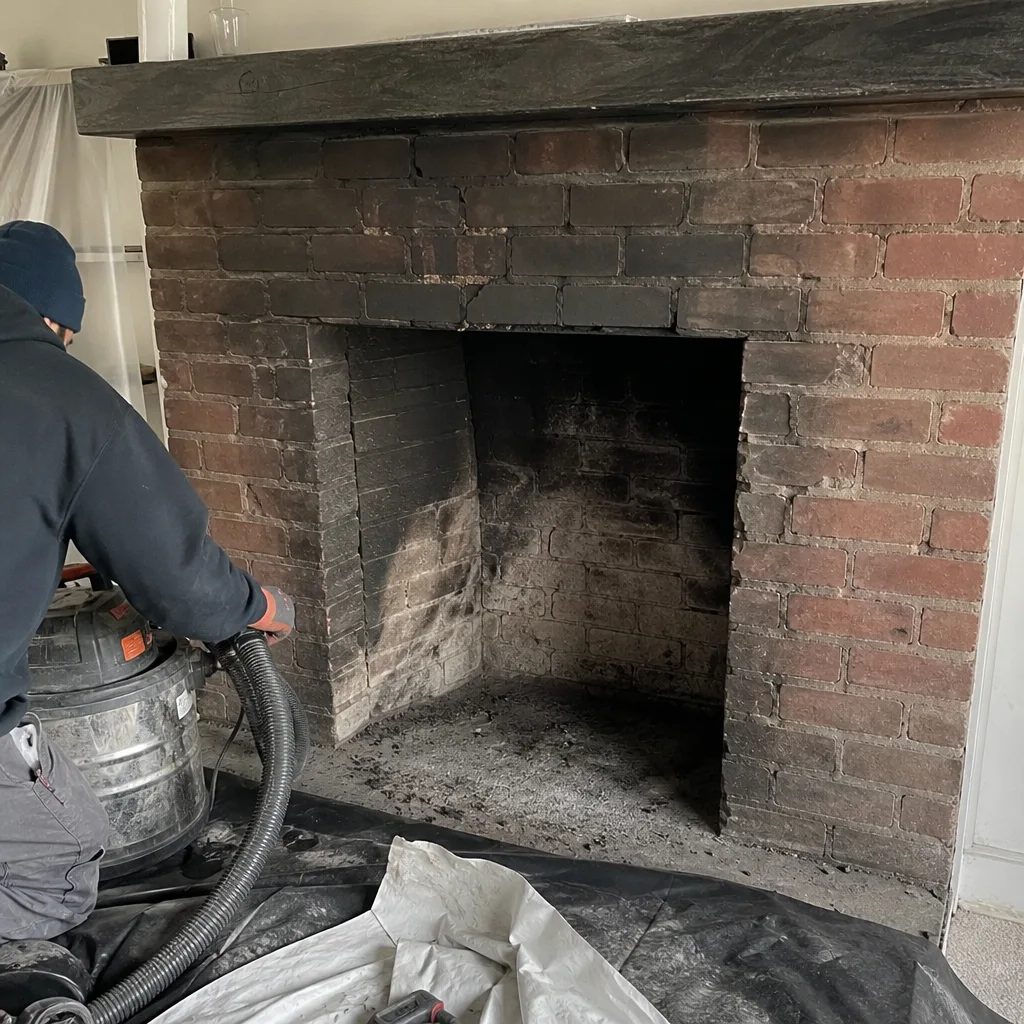 Before
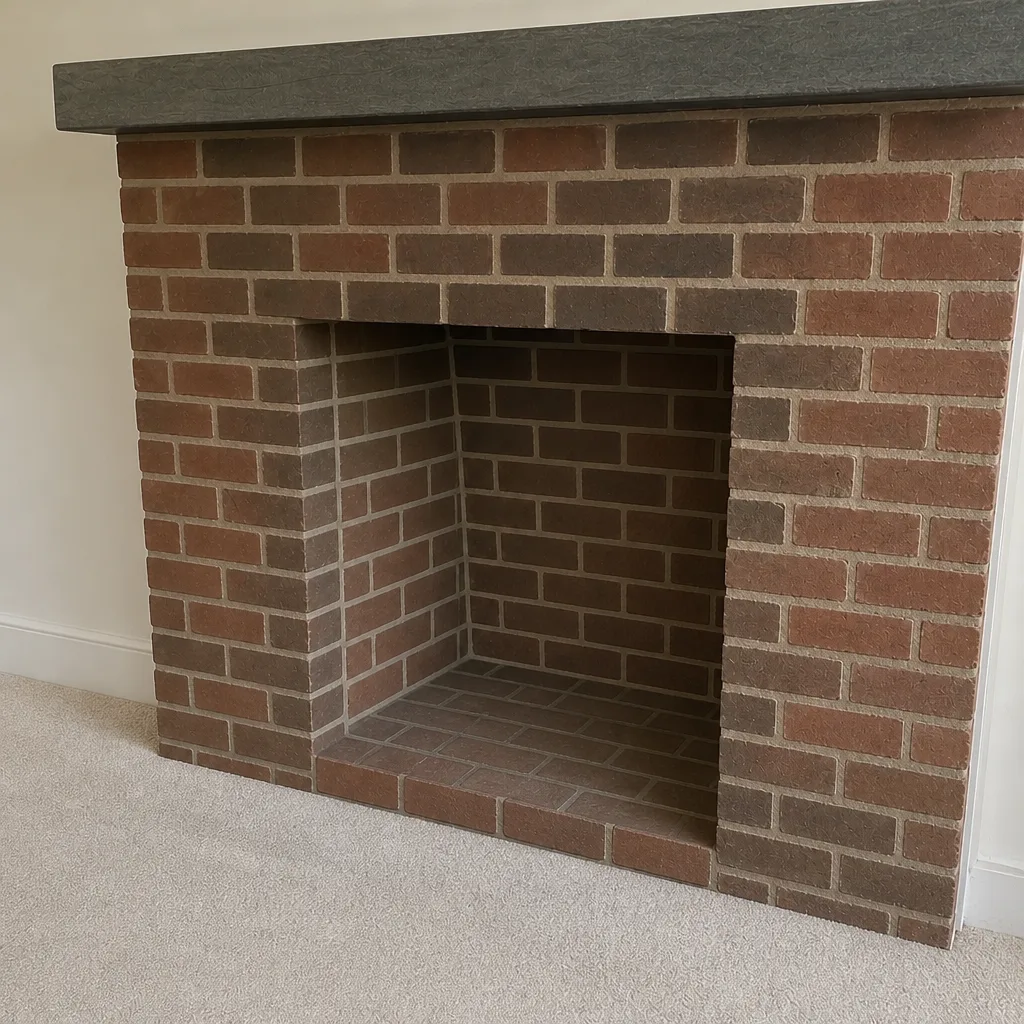 After
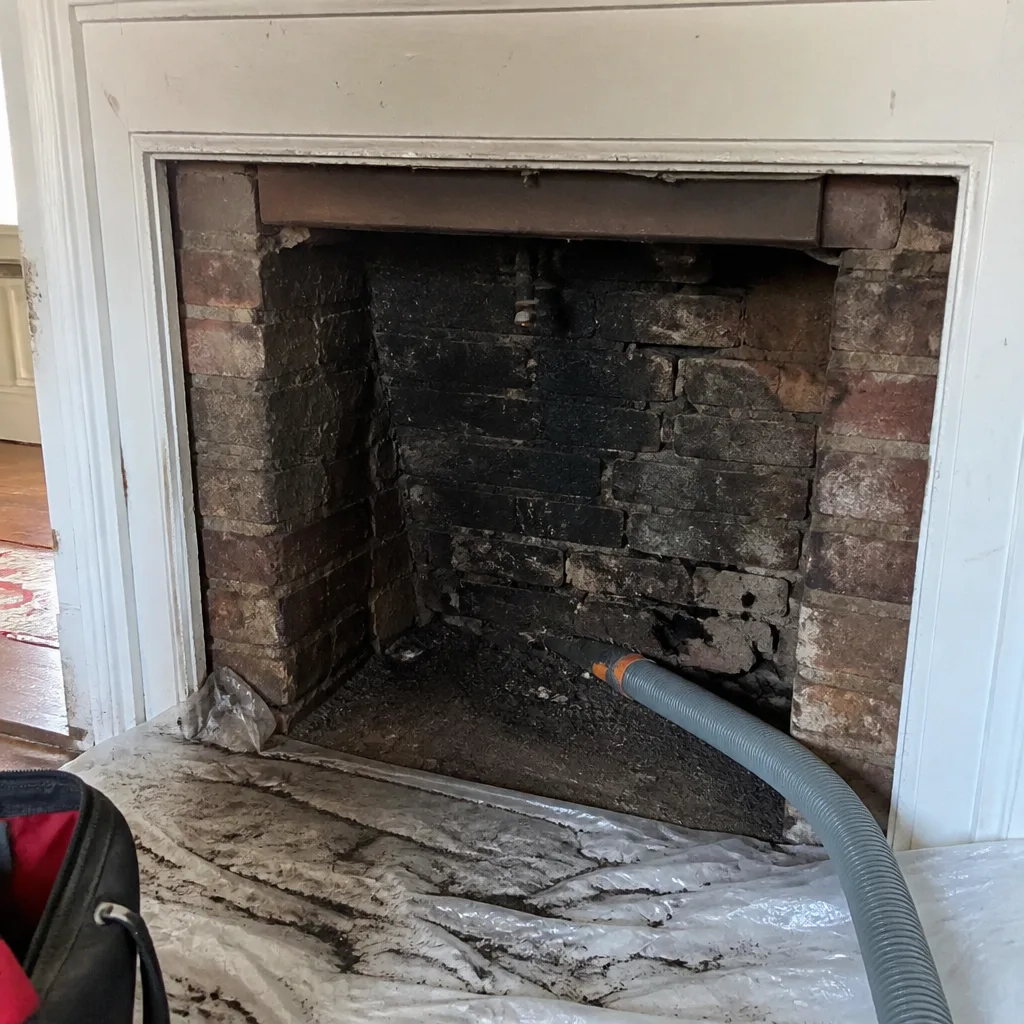 Before
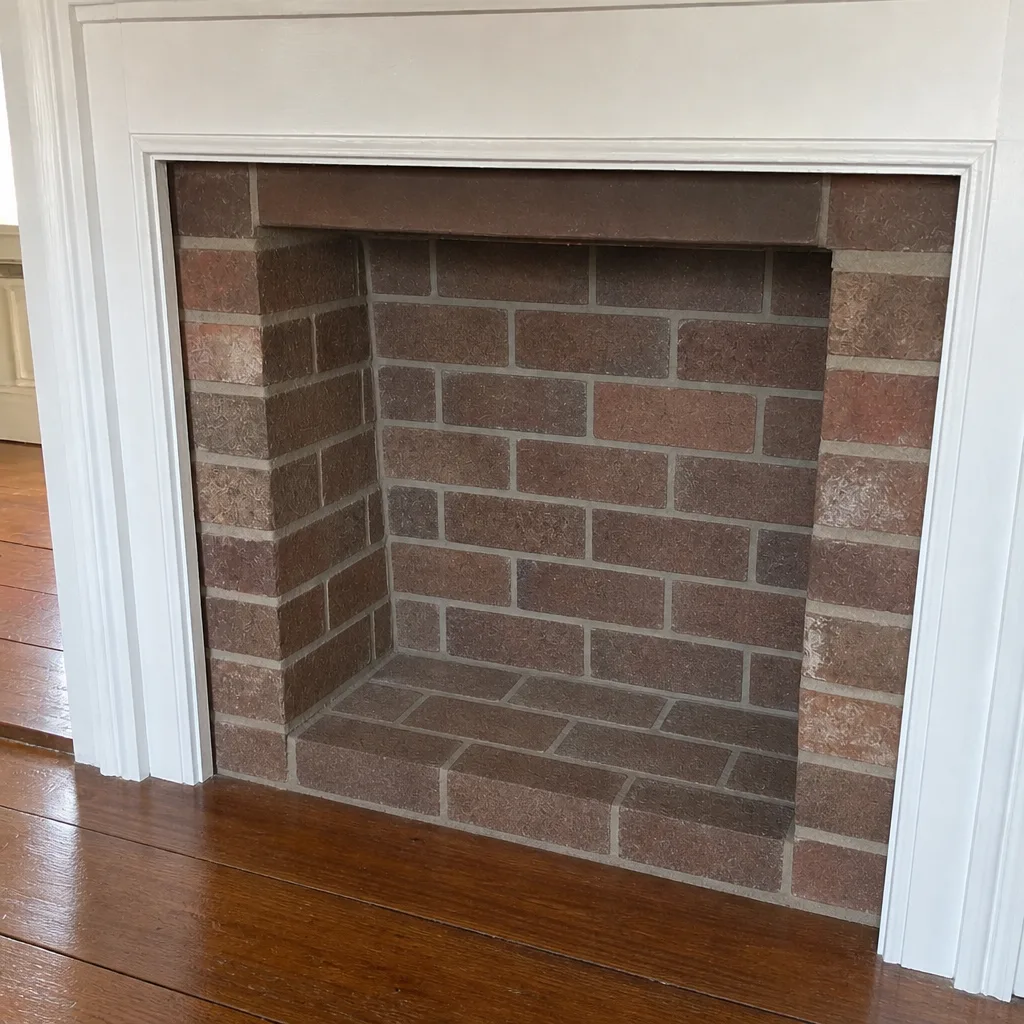 After
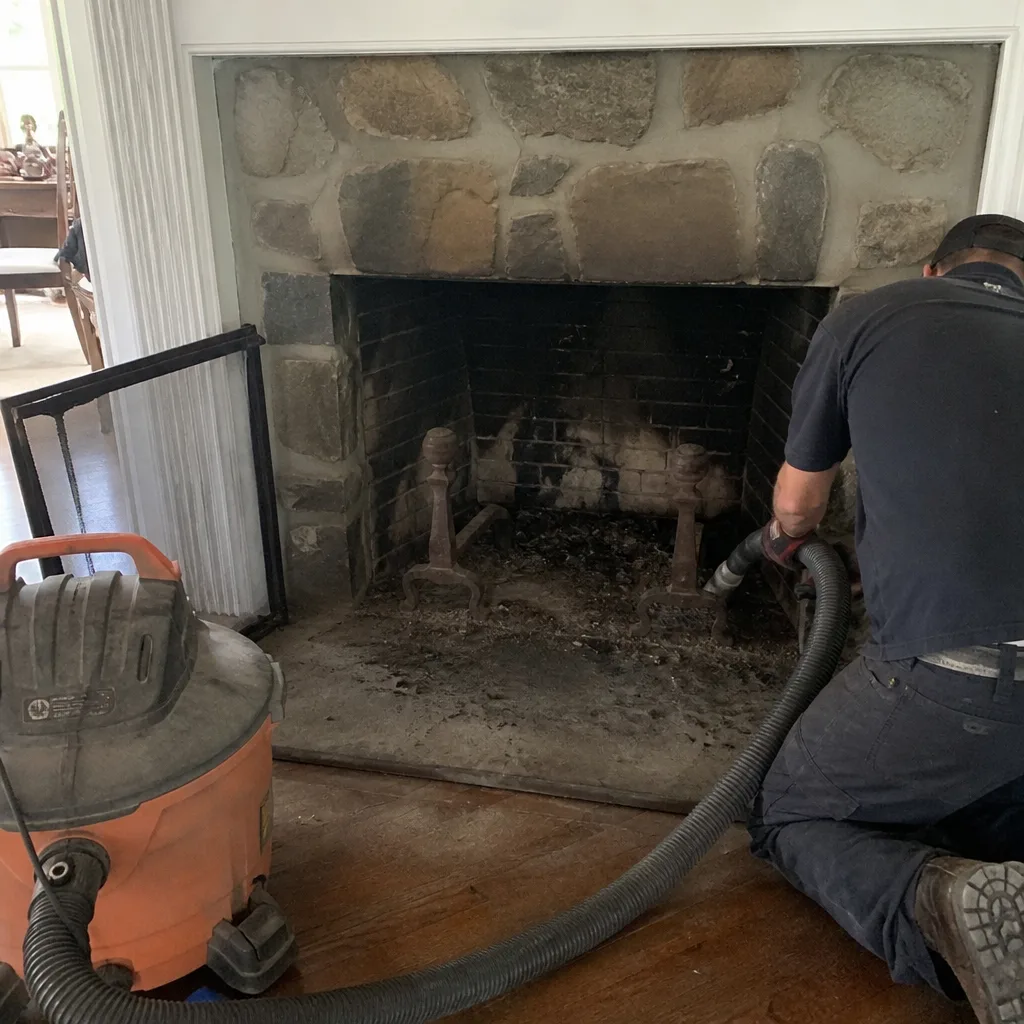 Before
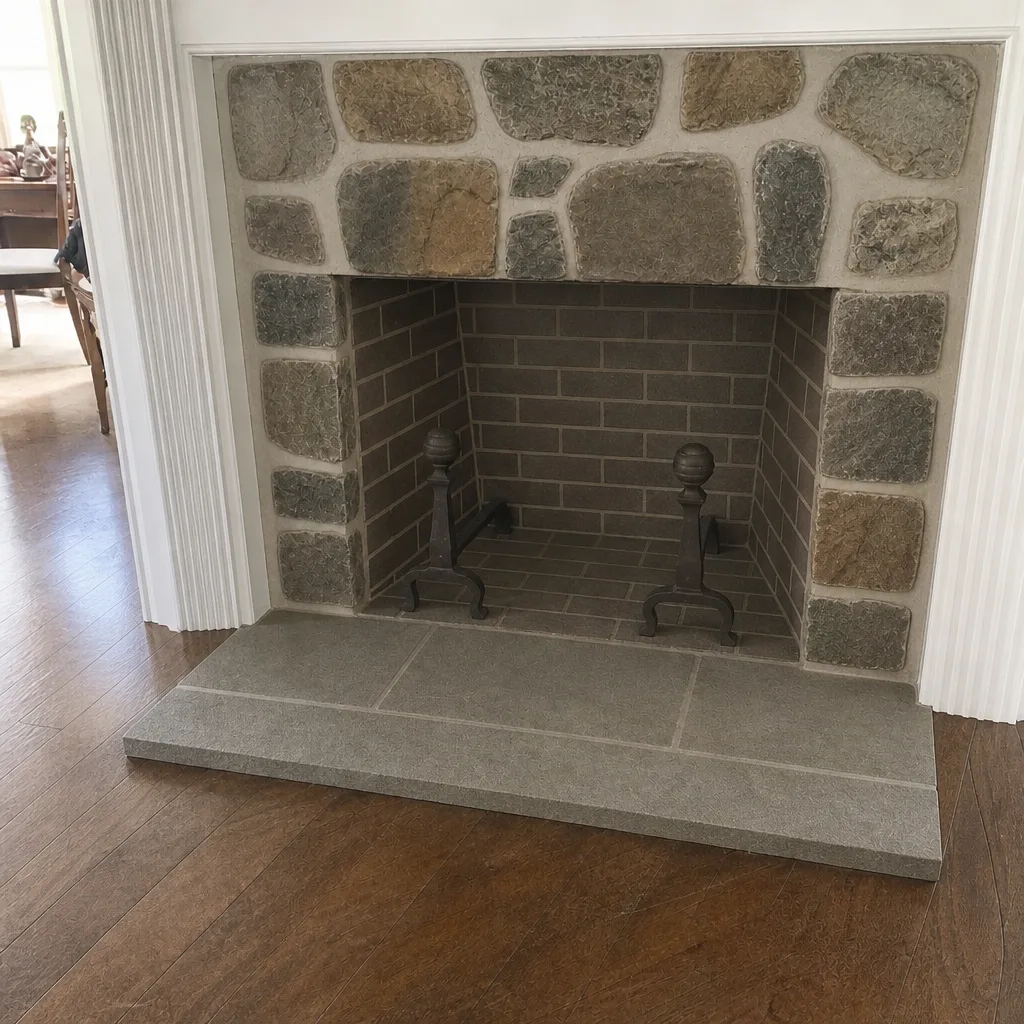 After
When to Call a Professional
Call a professional if any of the following is true: you don’t know whether your flue is lined; you see glazed or tar-like deposits; there’s an offset in the flue run; the chimney is on a shared stack; you’ve had a chimney fire or suspect one; the cap or crown is damaged; you smell smoke when the fireplace is cold; or it’s been more than a year without a camera inspection. Those are the cases where the risk of missing something outweighs the savings from doing it yourself. Chimney Sweep Kingsbridge offers free estimates in Kingsbridge – call (866) 937-8901. We answer 24/7, with fast dispatch from 7am to 7pm, Sunday through Friday.
Frequently Asked Questions
You can safely handle ash removal, exterior visual checks of the cap and crown, and damper operation. Actual flue cleaning, liner inspection, and smoke chamber assessment require professional tools and training – and in Kingsbridge’s older housing stock, the risk of missing a liner problem is higher than in newer homes. Call (866) 937-8901 for a free estimate if you’re unsure which category your chimney falls into.
Pricing is set per job by the written estimate, and the estimate itself is free. The full scope – sweep, camera inspection, smoke chamber check, and a written report – is quoted based on the flue, the buildup, and what the inspection finds. Call (866) 937-8901 for an exact quote.
Inspect annually, sweep when the inspection calls for it – usually once a year for a regularly used fireplace, or when creosote reaches about an eighth of an inch. Homes that burn heavily or burn green wood need it more often. Call (866) 937-8901 to get on a schedule.
Not always – and we won’t recommend one without camera evidence you can see. A liner recommendation should follow a visible finding: a crack, a gap, or a deteriorated section. If the liner is intact and venting correctly, it doesn’t need replacing. Call (866) 937-8901 for a camera inspection and a straight answer.
Creosote builds up, and at a certain stage it becomes fuel for a chimney fire. The other risk is that a liner problem or blockage you never saw becomes a carbon monoxide or structural problem. It doesn’t happen overnight, but it doesn’t announce itself either. That’s the reason for the annual inspection. Call (866) 937-8901 for a free estimate.
Usually not. The flue material and the state of any existing liner aren’t visible from the firebox, and even a top-down look with a flashlight only shows the first few feet. A camera inspection is the only reliable way to know. Call (866) 937-8901 to book one.
The Bottom Line
The DIY versus professional chimney cleaning question has a real answer, and it isn’t “always hire a pro.” It’s this: ash removal, exterior checks, and damper inspection are yours to do, and doing them regularly makes the professional sweep less frequent and more useful. Flue cleaning, creosote staging, liner inspection, and smoke chamber assessment are not – and in Kingsbridge’s older homes, those are exactly the checks that catch the problems that matter. Count your time, count the equipment, and count the cost of missing a crack. For most homes with any uncertainty in that last category, the professional sweep is the better buy. When in doubt, get the camera look.
Call (866) 937-8901 for a free estimate. We answer 24/7. Fast dispatch from 7am to 7pm, Sunday through Friday. One call covers inspection, cleaning, and any repair your chimney needs – handled by the same crew from start to finish.
Written by the team at Chimney Sweep Kingsbridge.